
Japan Fresh Food Retail Study Tour
The fine-tuned operations, ready-to-eat product development and management know-how of Japanese fresh food retailers show Chinese retailers what the future of fresh looks like.
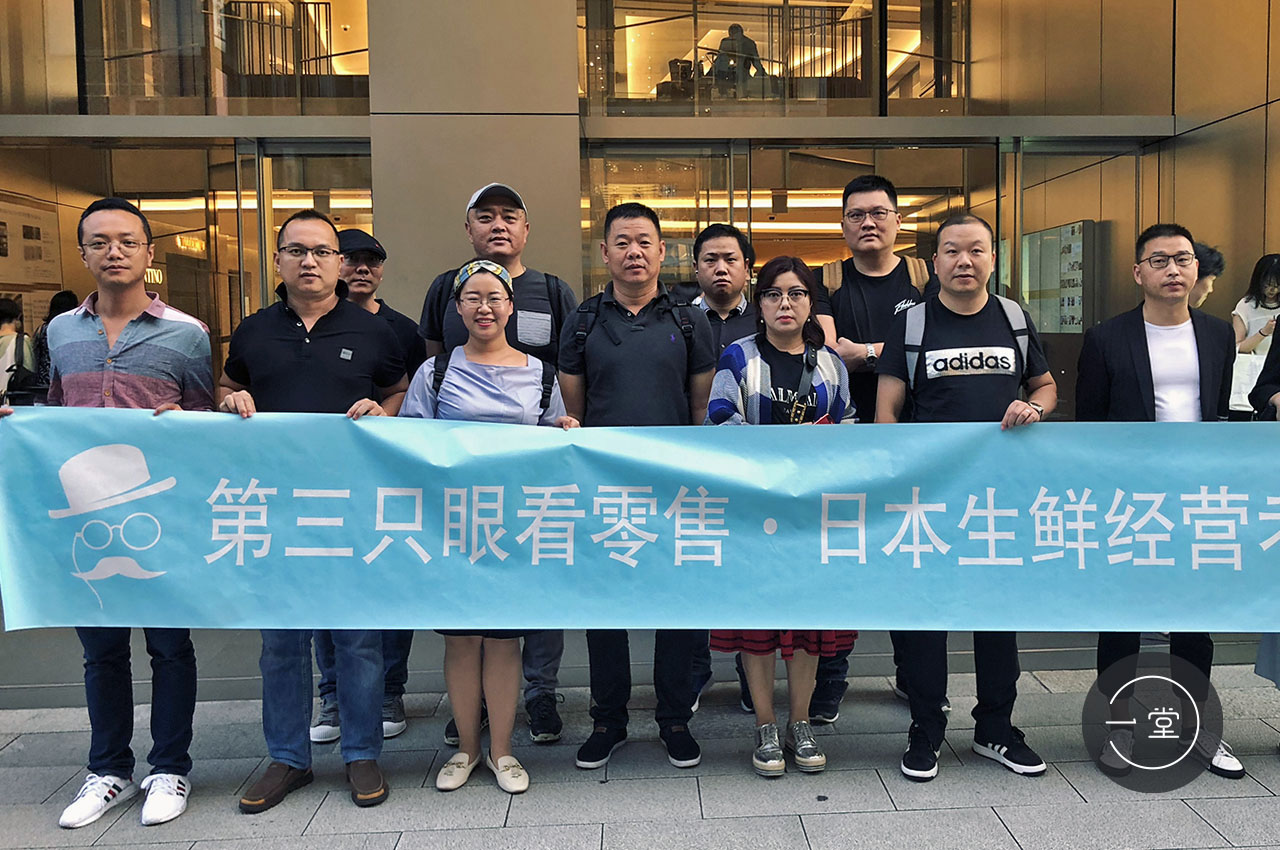
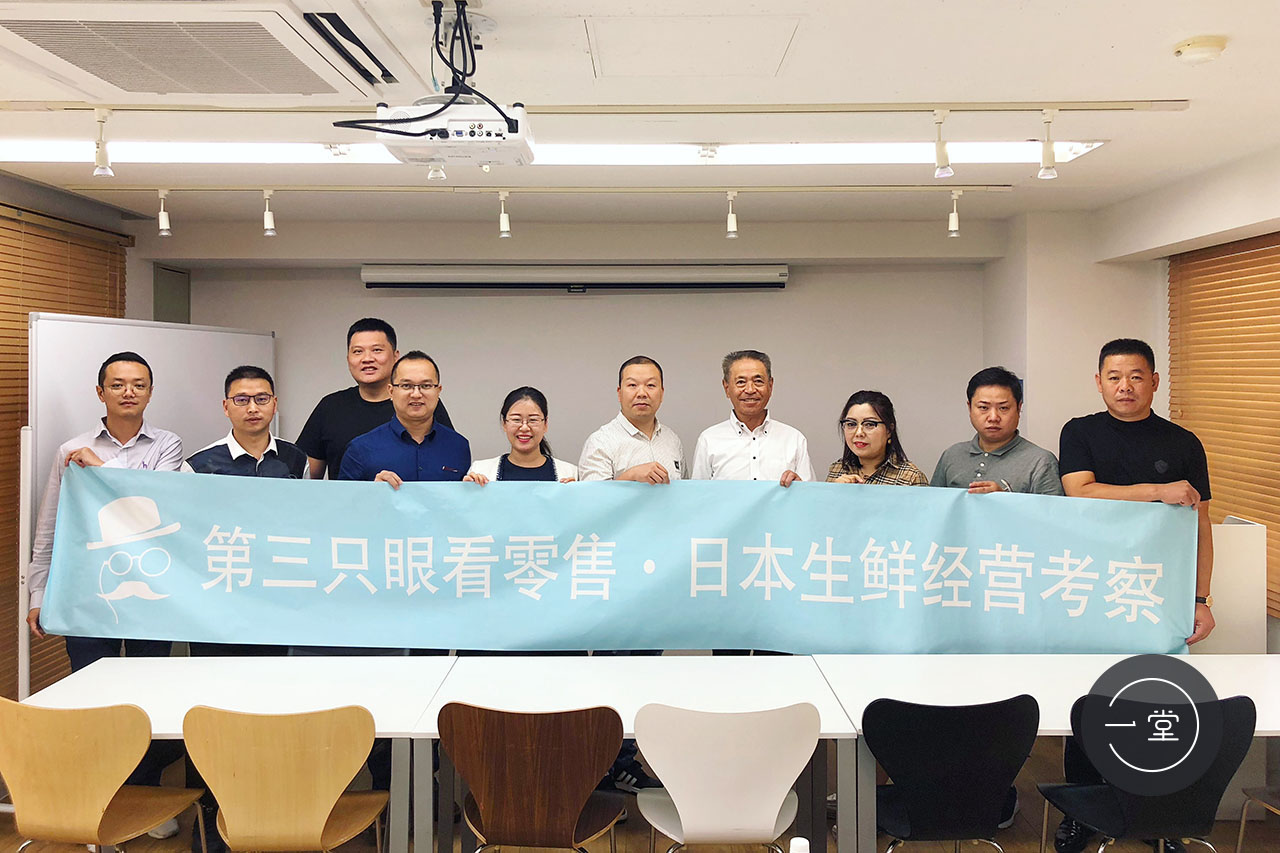
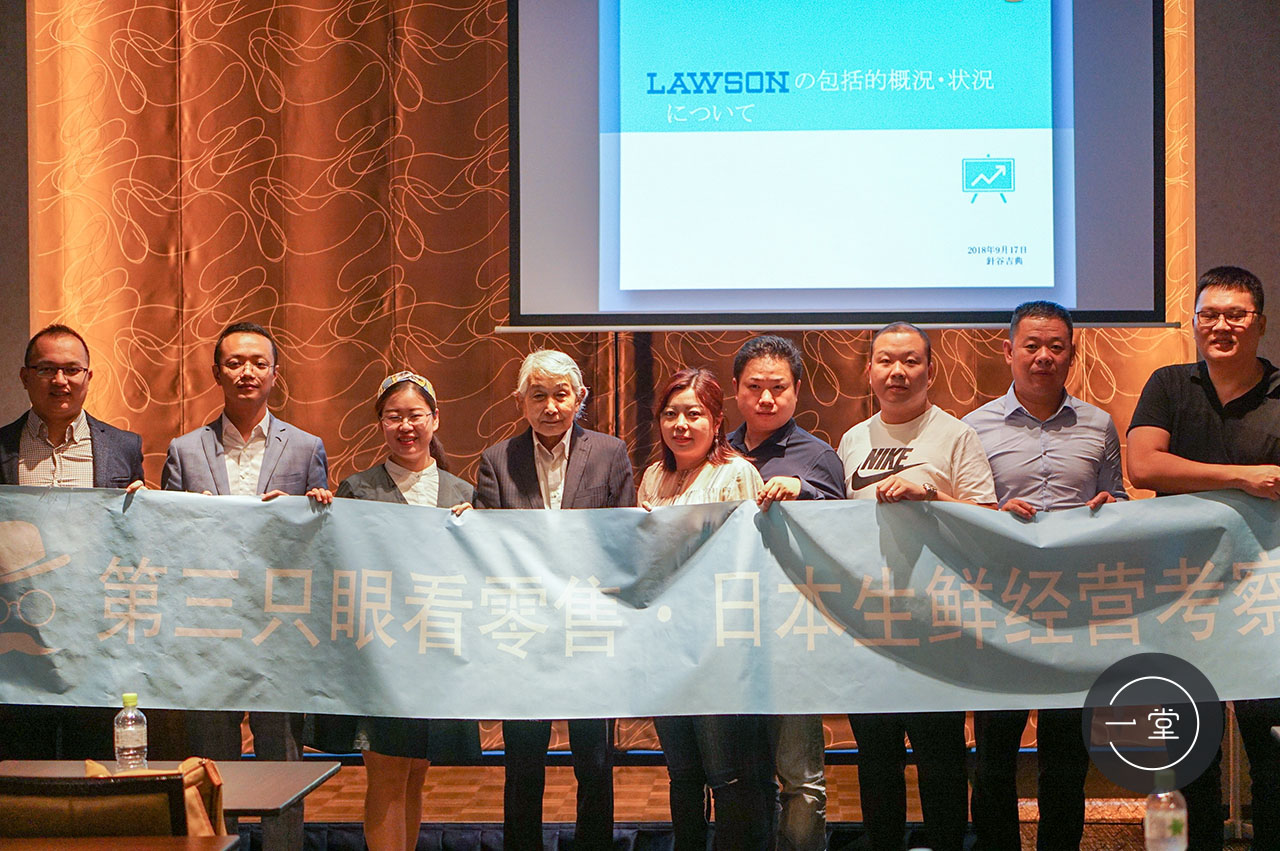
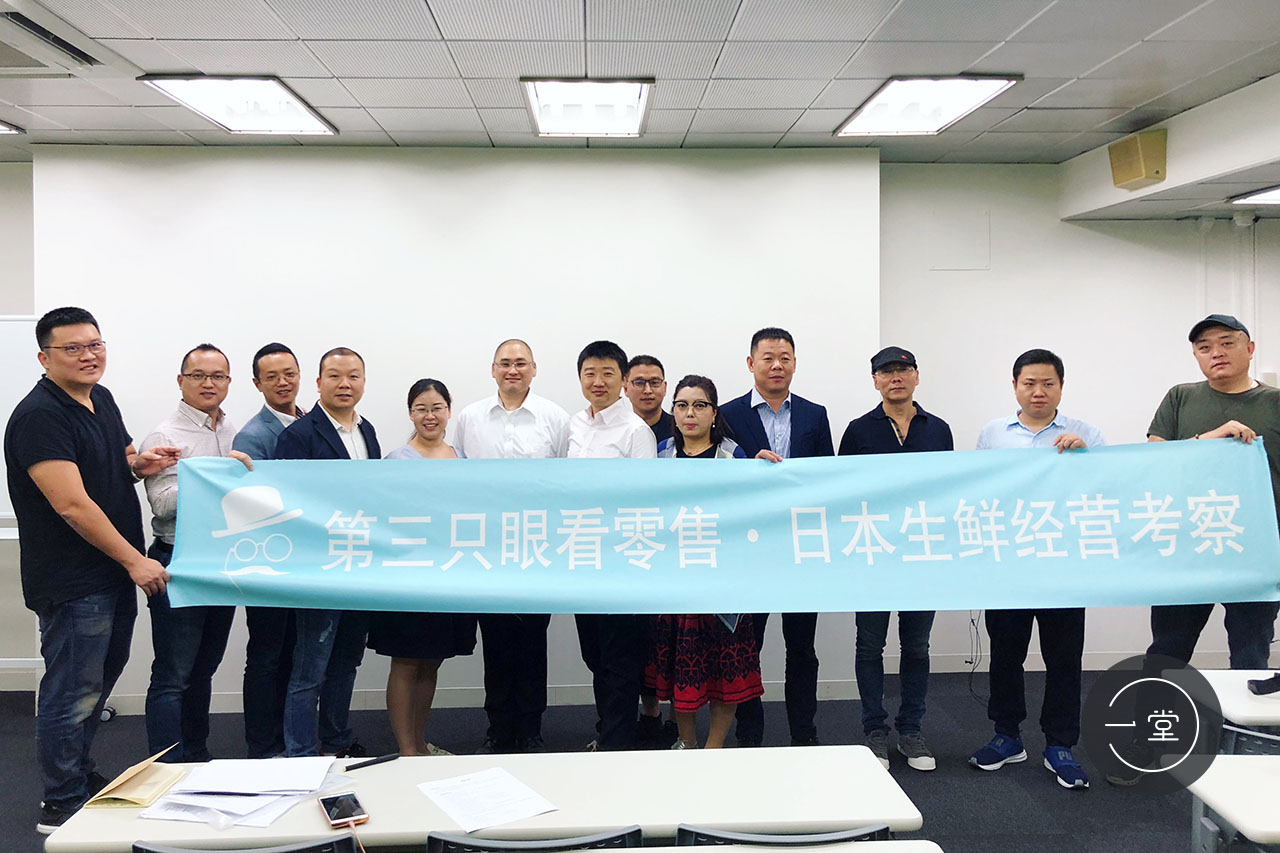
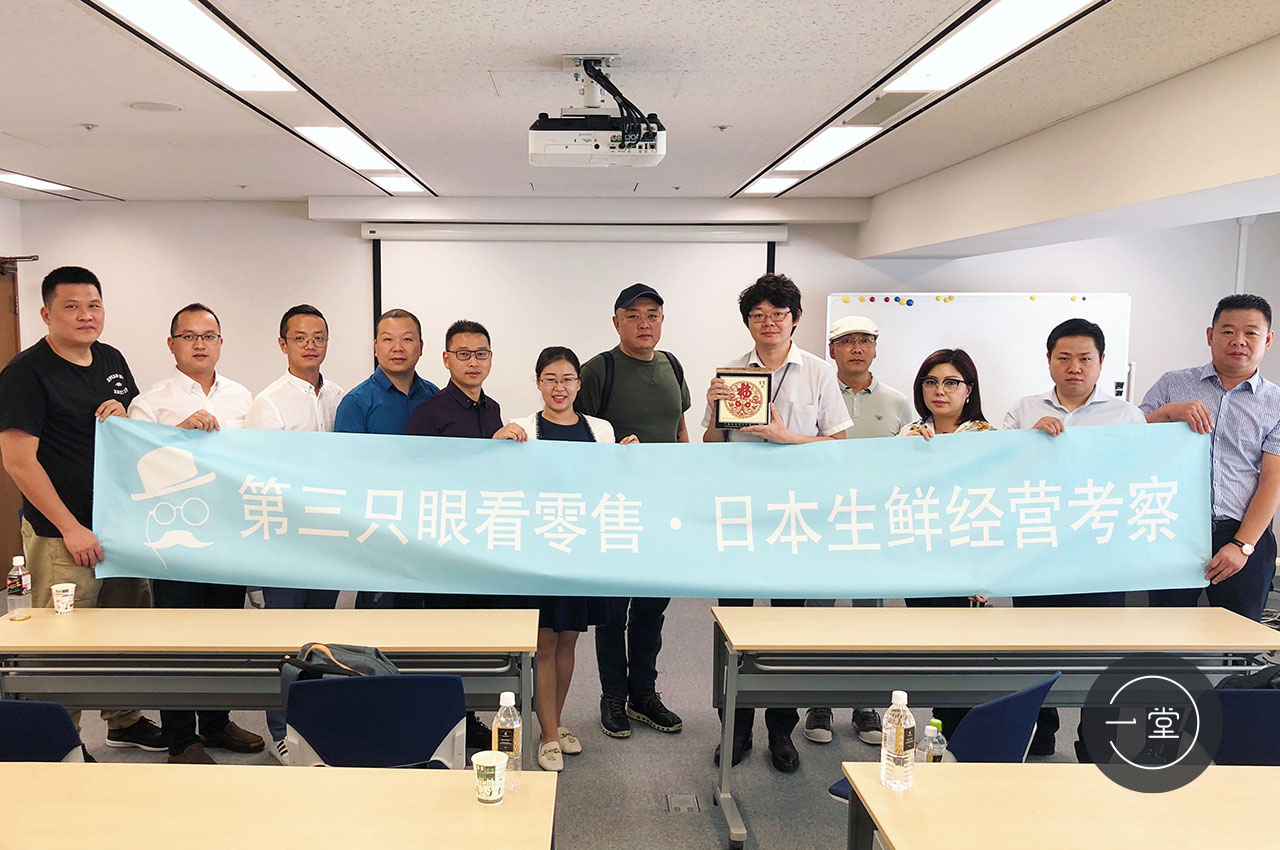
Yitang teamed up with Uniqueye, China's leading retail-industry media outlet, to create a study tour on Japanese fresh food retail for Chinese retail entrepreneurs.
We brought in Japan's most authoritative fresh food experts to explain the business from every angle.
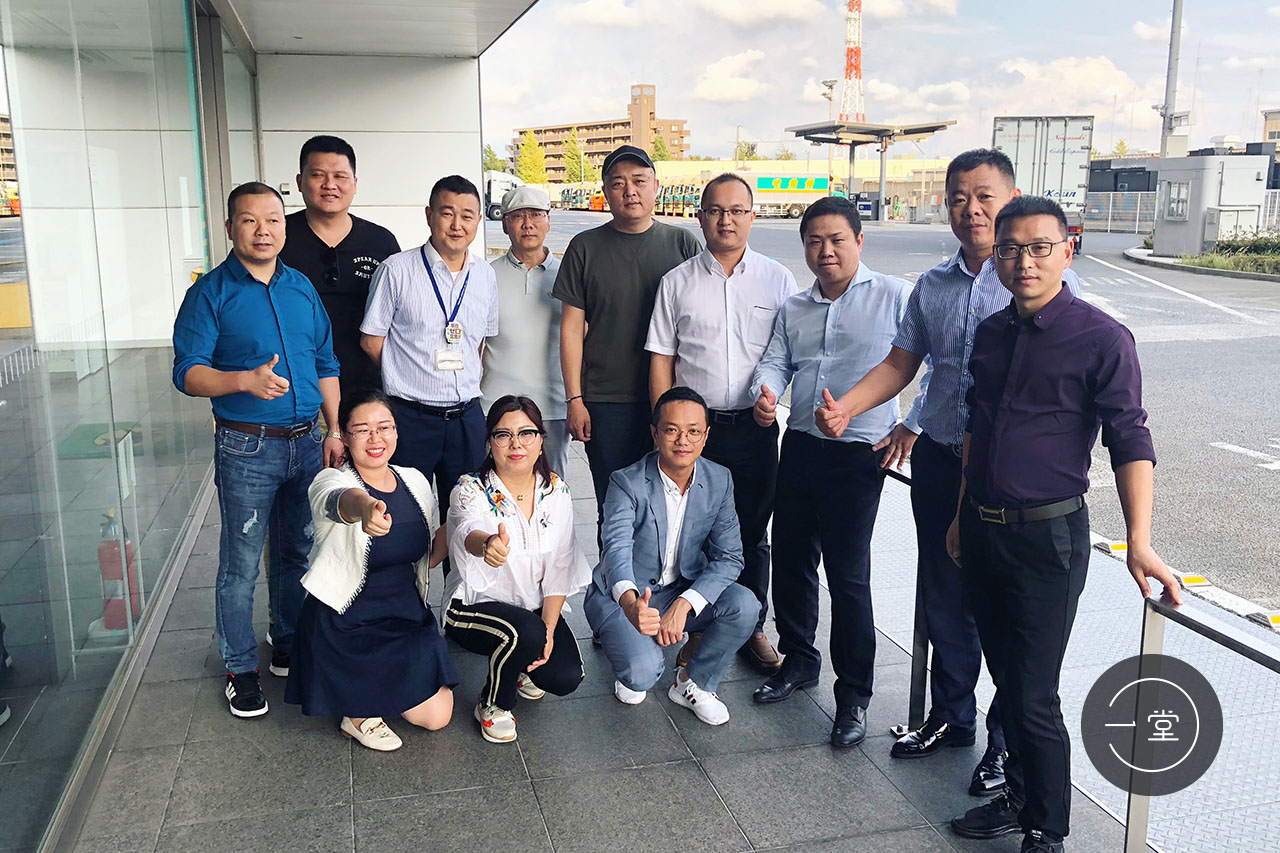
Participants were senior executives from Chinese retailers including Caogen'er Retail Group (Inner Mongolia), Xianyipai Technology & Logistics, Jiabaile and Wangjiawang (Hainan).
Stop 1: Yaoko
Founded in 1957 with the mission of enriching everyday life and raising the culture of the communities it serves, Yaoko positions itself as a supermarket that proposes a rich and enjoyable food life.
Yaoko has grown both sales and profit for 28 consecutive years. Its operating margin of 4.2% is double the industry average of 2.1%, making it one of the great success stories of Japanese supermarkets.
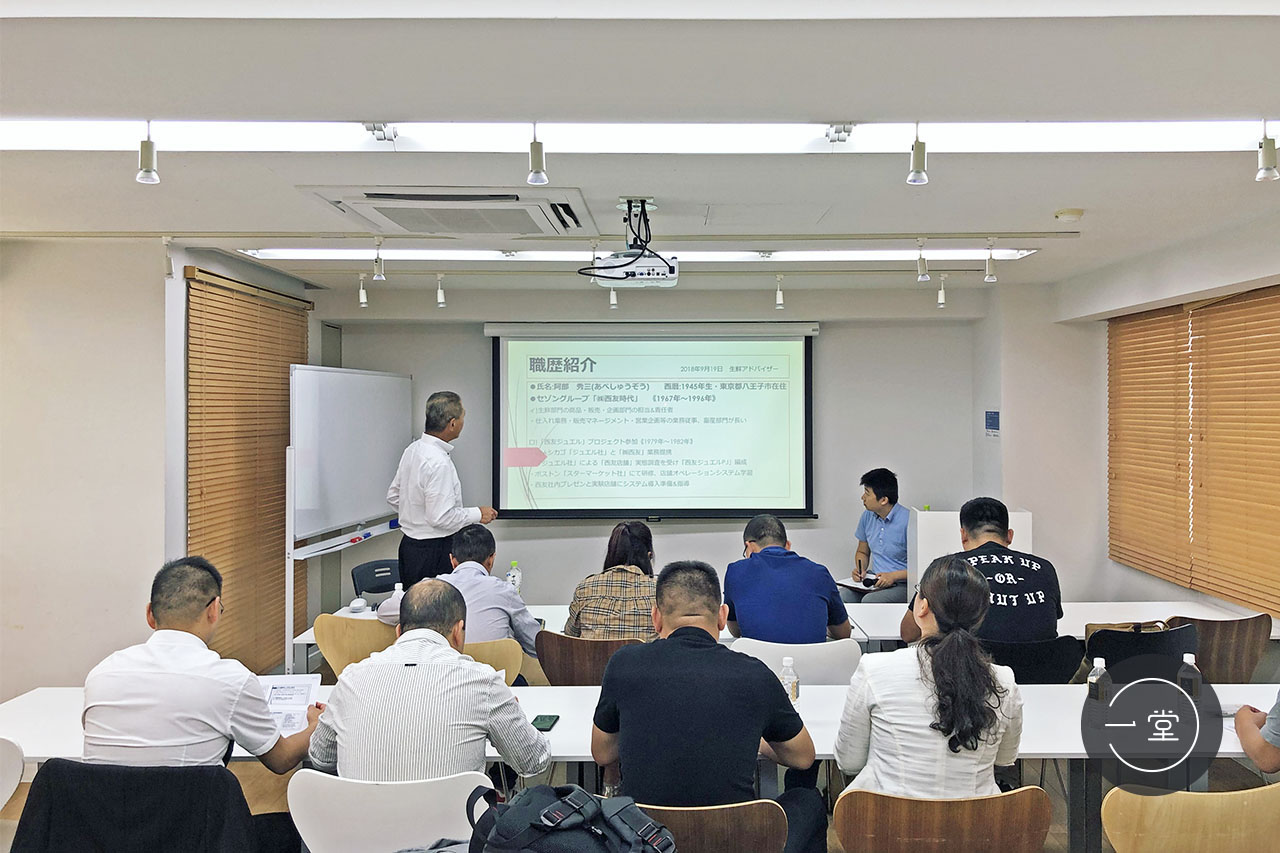
Session: Human Resource Management in Japanese Fresh Food Supermarkets
- The Yaoko business model
- Fresh food sourcing, processing, display and store operations
- Building a fresh food supply chain
- Store staffing and management
- Controlling labour costs and managing part-time staff
Stop 2: Lawson
Lawson is Japan's second-largest convenience store chain, with around 13,992 stores in Japan and large-scale networks in China, Indonesia and other overseas markets.
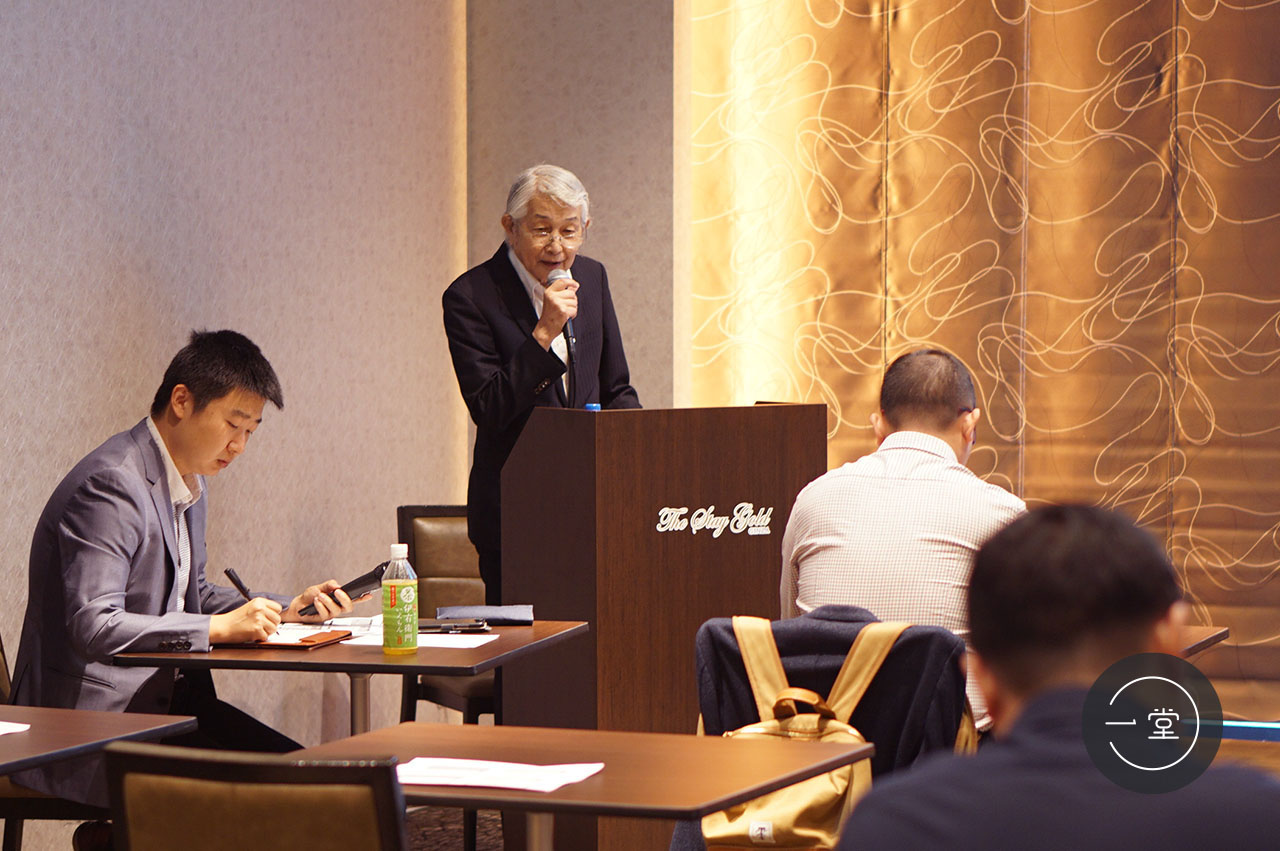
Session: Fresh Food Development and Store Operations at Lawson
- What makes Lawson successful
- Sales, gross margin and net profit: the numbers behind a Lawson store
- Store development and operating principles
- Product selection, sales strategy and store management
- Building and managing the supply chain
Stop 3: MUJI
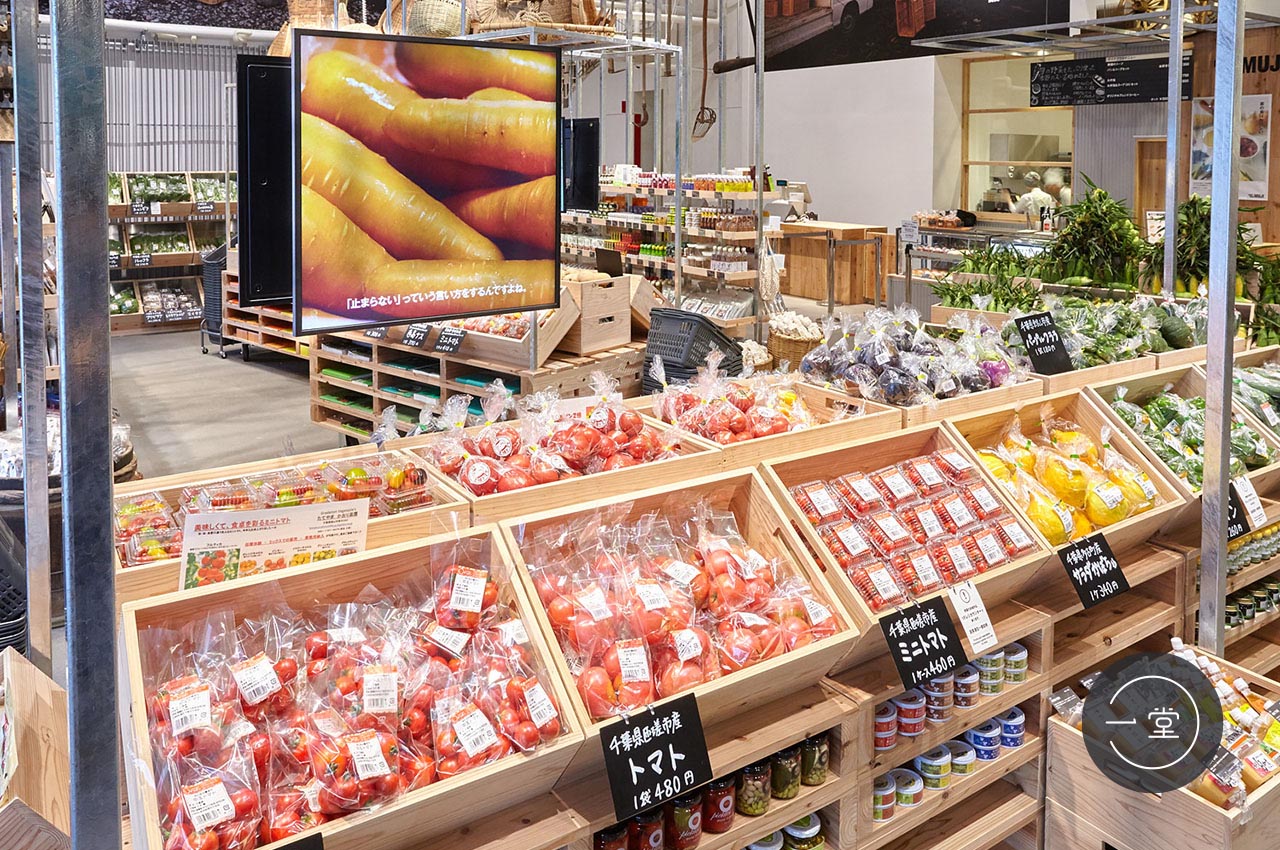
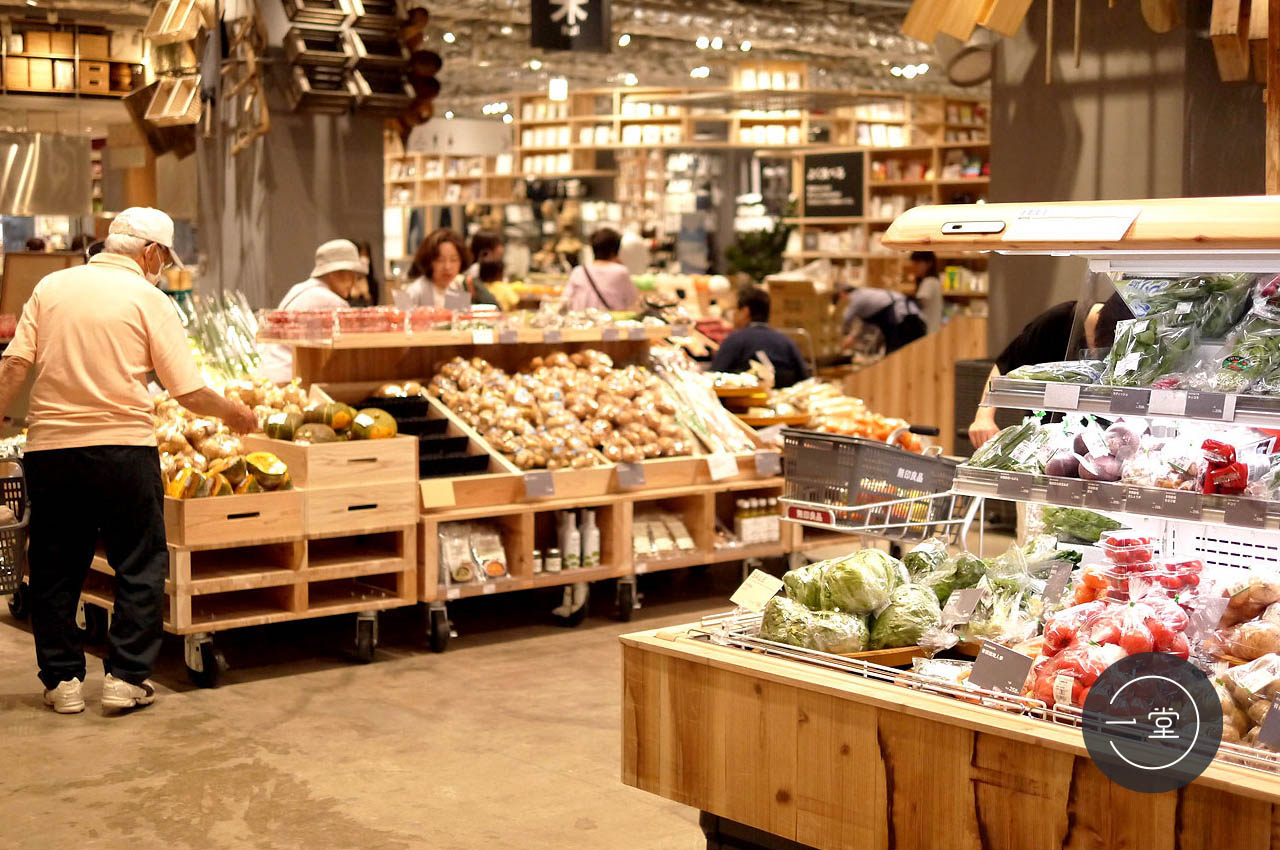
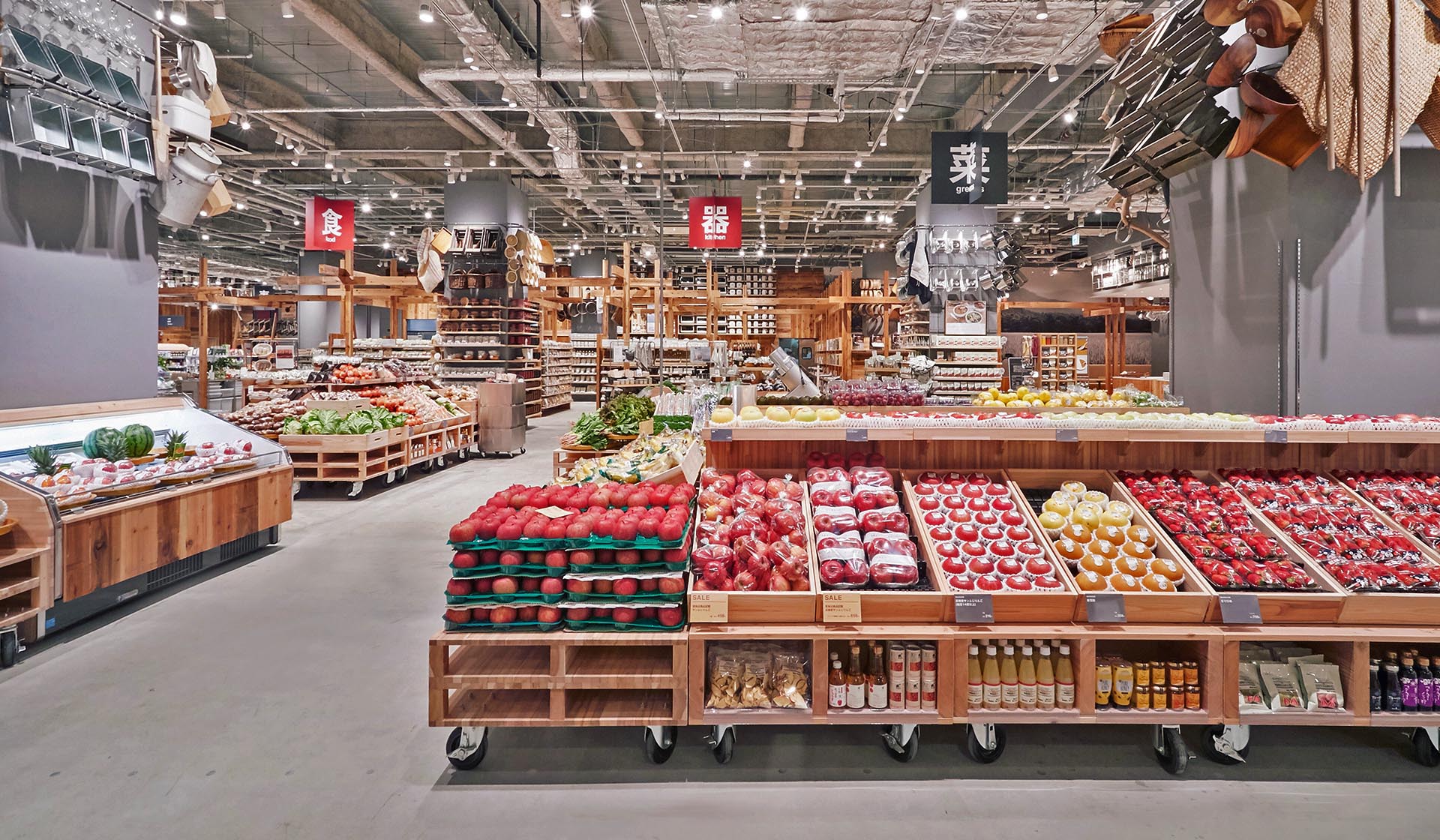
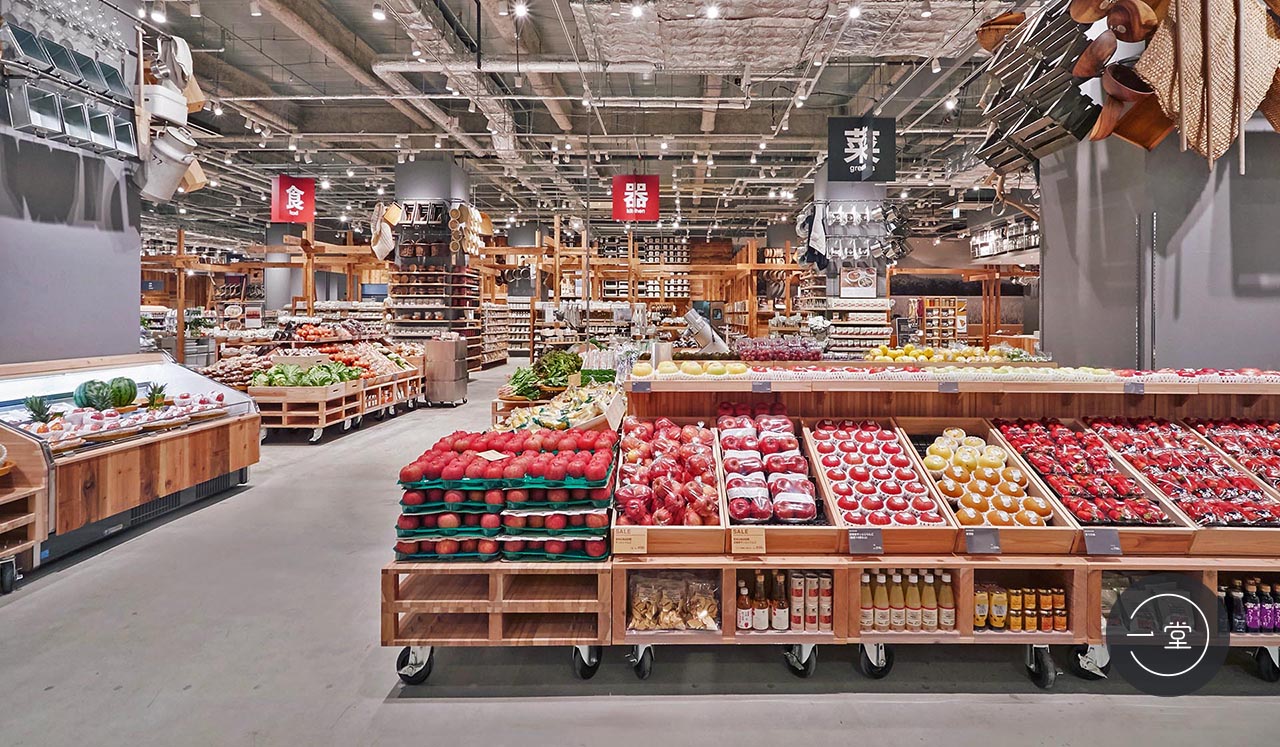
In 2017 MUJI opened its first fresh produce market in Yurakucho, Tokyo, sourcing fruit and vegetables directly from farms that use little or no pesticide and chemical fertiliser.
The market carries MUJI's farm-direct, all-natural concept and works hand in hand with Café&Meal MUJI upstairs: customers taste a seasonal soup made from the produce downstairs, then go down and buy the ingredients themselves.
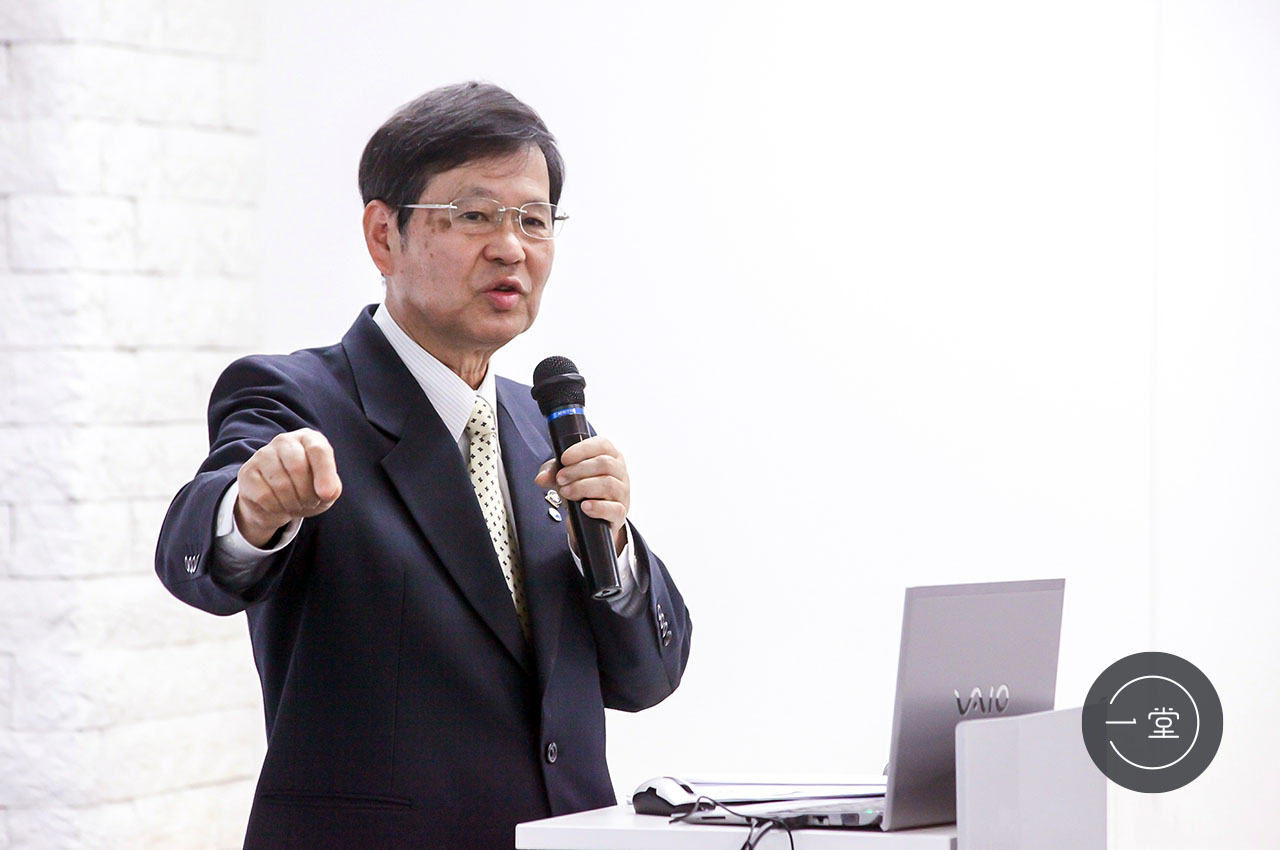
Session: MUJI's Fresh Food Strategy
- How MUJI was born, and its brand philosophy
- Turning the business around: reforms and the internal operating system
- MUJIGRAM, the standard operating manual used in every MUJI store
- In-store display and the logistics system
- The secrets behind MUJI's fresh produce market and restaurant

Stop 4: OK Supermarket
Founded in 1967, OK runs more than 100 stores centred on Tokyo and Kanagawa and has topped Japan's customer satisfaction index for supermarkets for seven years running, ahead of the membership warehouse club Costco in second place.
Debt-free and growing 30% a year, OK is a high-performing, low-cost operator.
Session: Marketing, Operations and Floor Management of the Seafood Department
- The Japanese seafood distribution chain
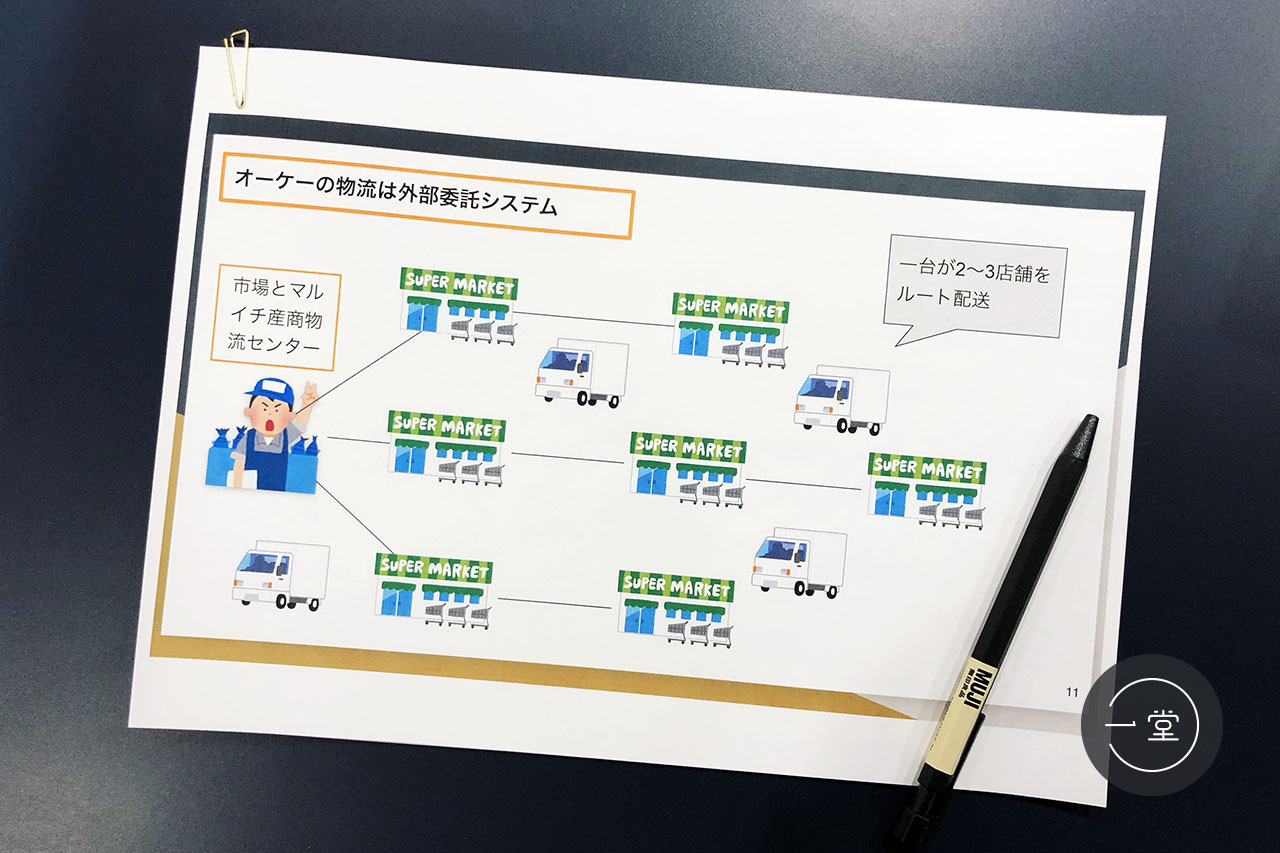
- OK's supply chain, logistics and how they are managed
- Seafood quality and freshness control, and processing for sale
- Sales floor layout and techniques for drawing customers in
- Staffing and labour cost control at OK
Stop 5: Distribution Economics Institute of Japan
Founded in 1966, the institute is a specialist research body covering domestic and overseas markets and distribution.
It runs surveys, research and field experiments focused on retail, fresh food, logistics, industry trends and consumer behaviour.
Its researchers are among the best in the field in Japan, and its data and findings inform both Japanese companies and the government.
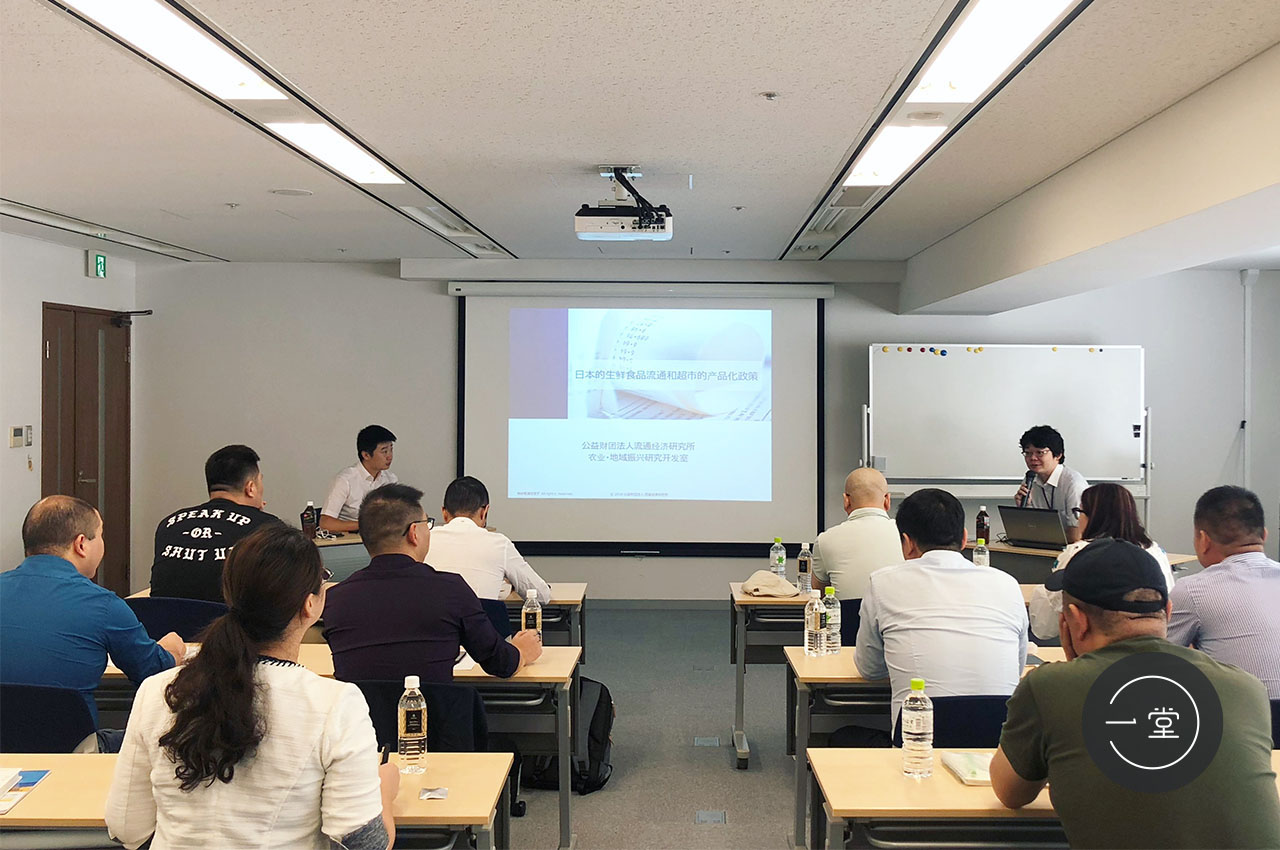
Session: Fresh Food Formats and Models in Japan
- An overview of supermarket food distribution in Japan
- Fresh food merchandising policy in supermarkets
- How Japanese consumers buy fresh food, and how supermarkets respond
- Case studies of Japan's leading small-format urban supermarkets
- The future of the supermarket distribution chain
Stop 6: Yamato Group, Japan's largest logistics company
· Site visit: logistics centre and cold chain
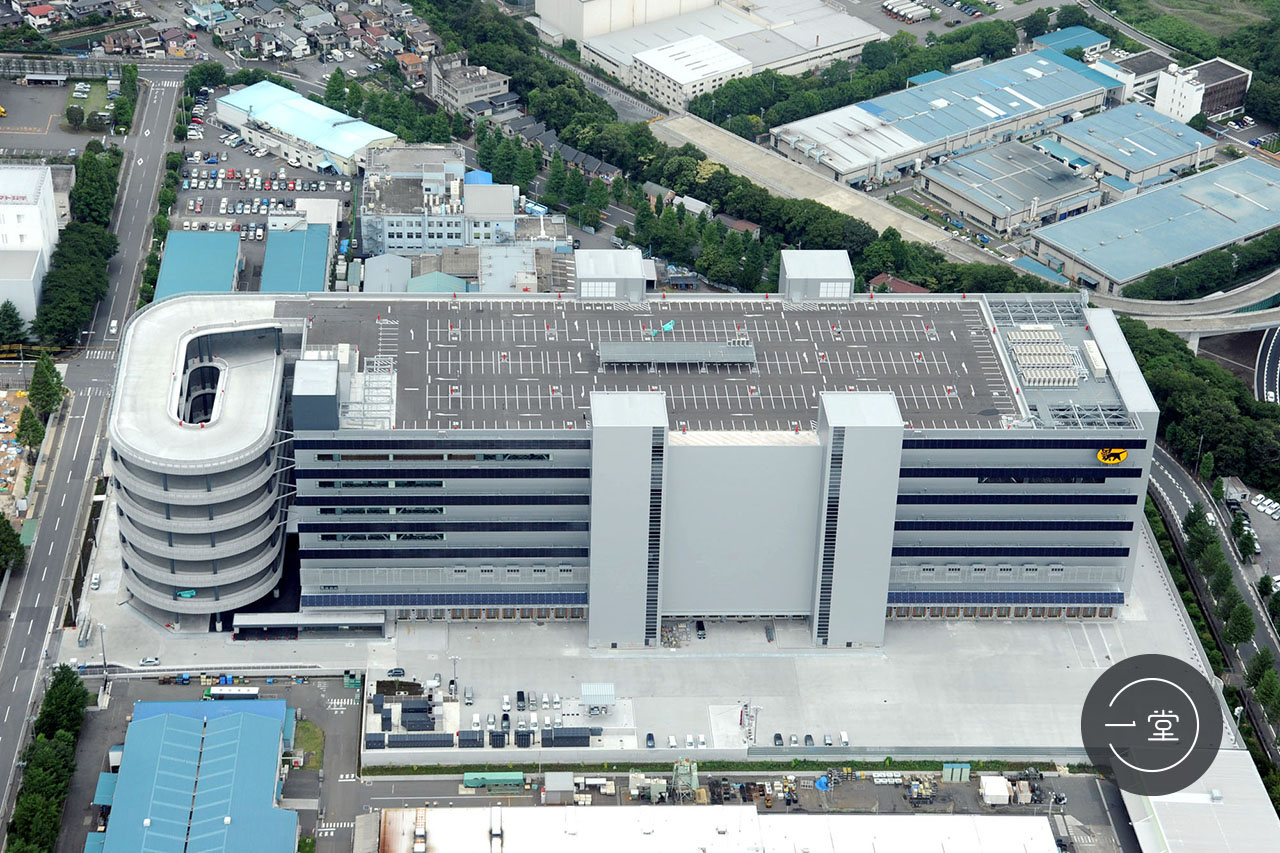
Founded in 1919, Yamato is Japan's largest logistics company and the pioneer of home parcel delivery worldwide. It operates more than 70 logistics centres in Japan totalling 270,000 square metres, and its meticulous TA-Q-BIN delivery service has earned it a reputation as the best transport company in the world.
Atsugi Gateway is one of Yamato's logistics centres and home to Japan's most advanced cold-chain facility, built on technology Yamato has patented.
Tokyo retail districts and neighbourhood fresh food stores
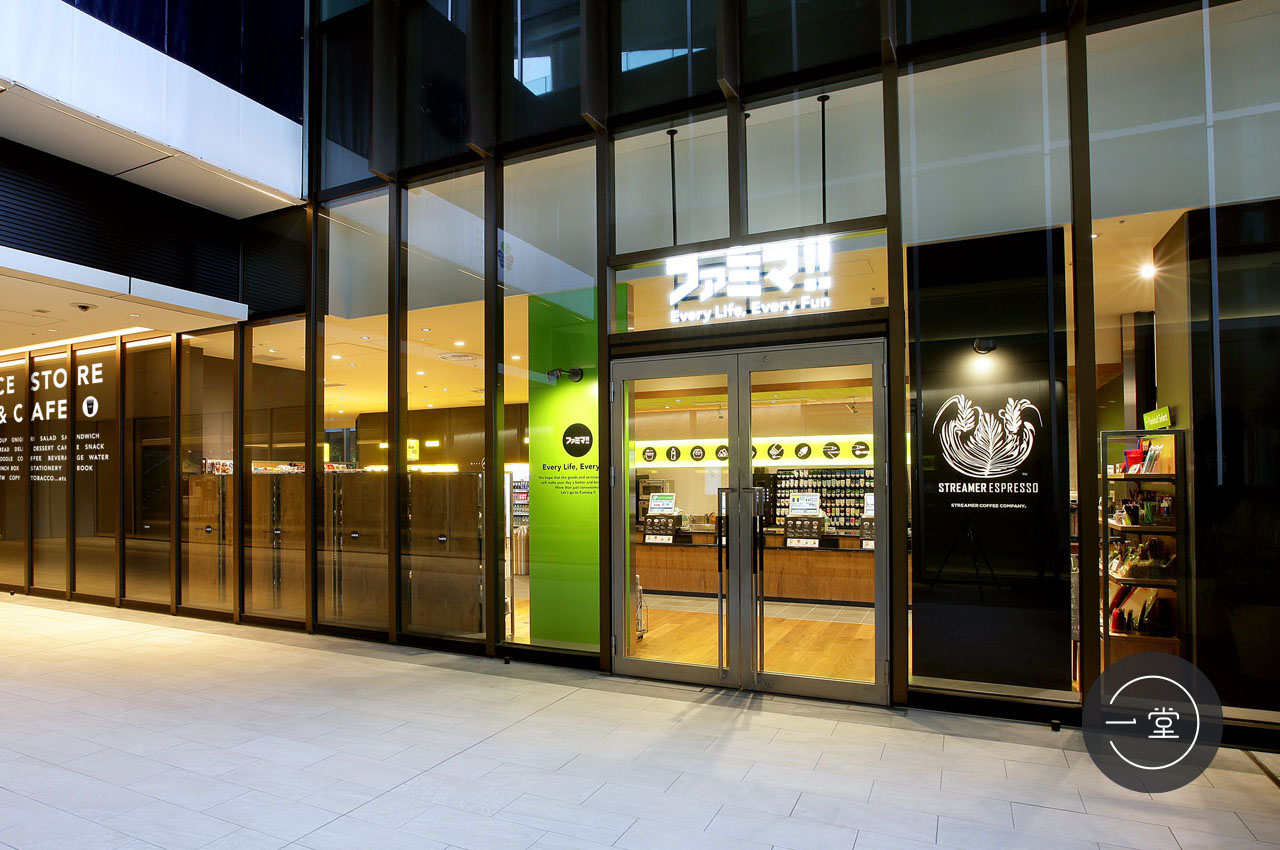
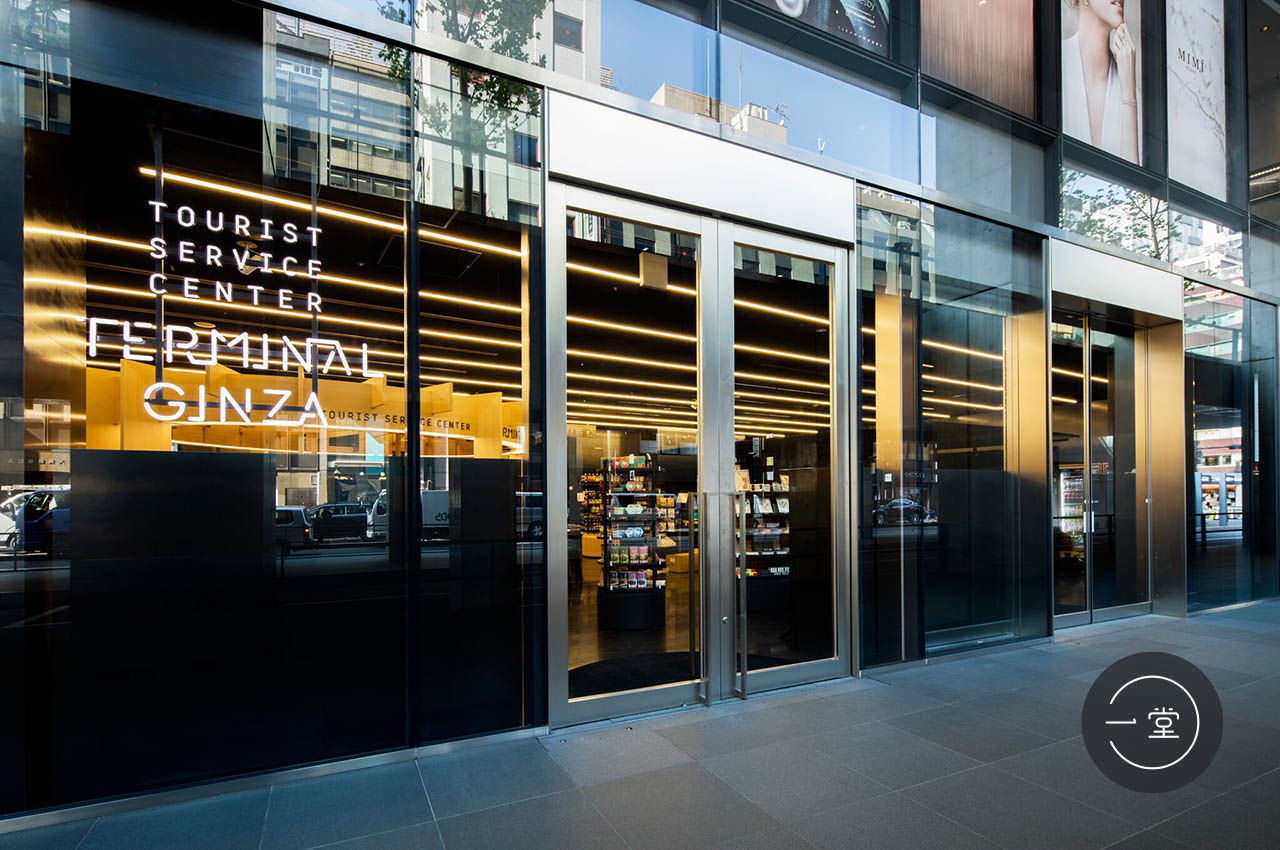
The itinerary also included neighbourhood fresh food stores such as AEON's My Basket, Mini Piago, Maruetsu Petit and Tokyu Store Food Station, along with Ginza, Tsutaya Books, the MUJI global flagship store, Itoya and other must-see retail destinations.