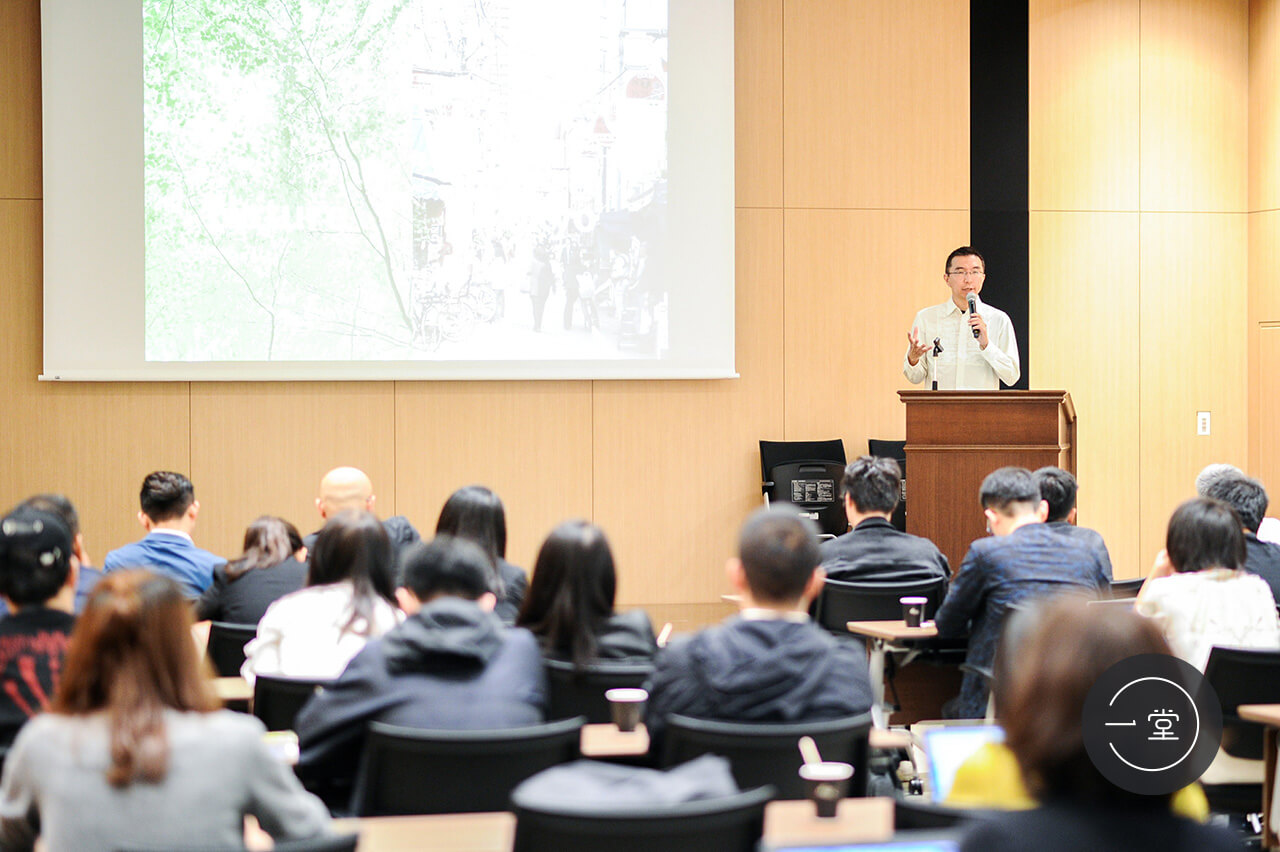

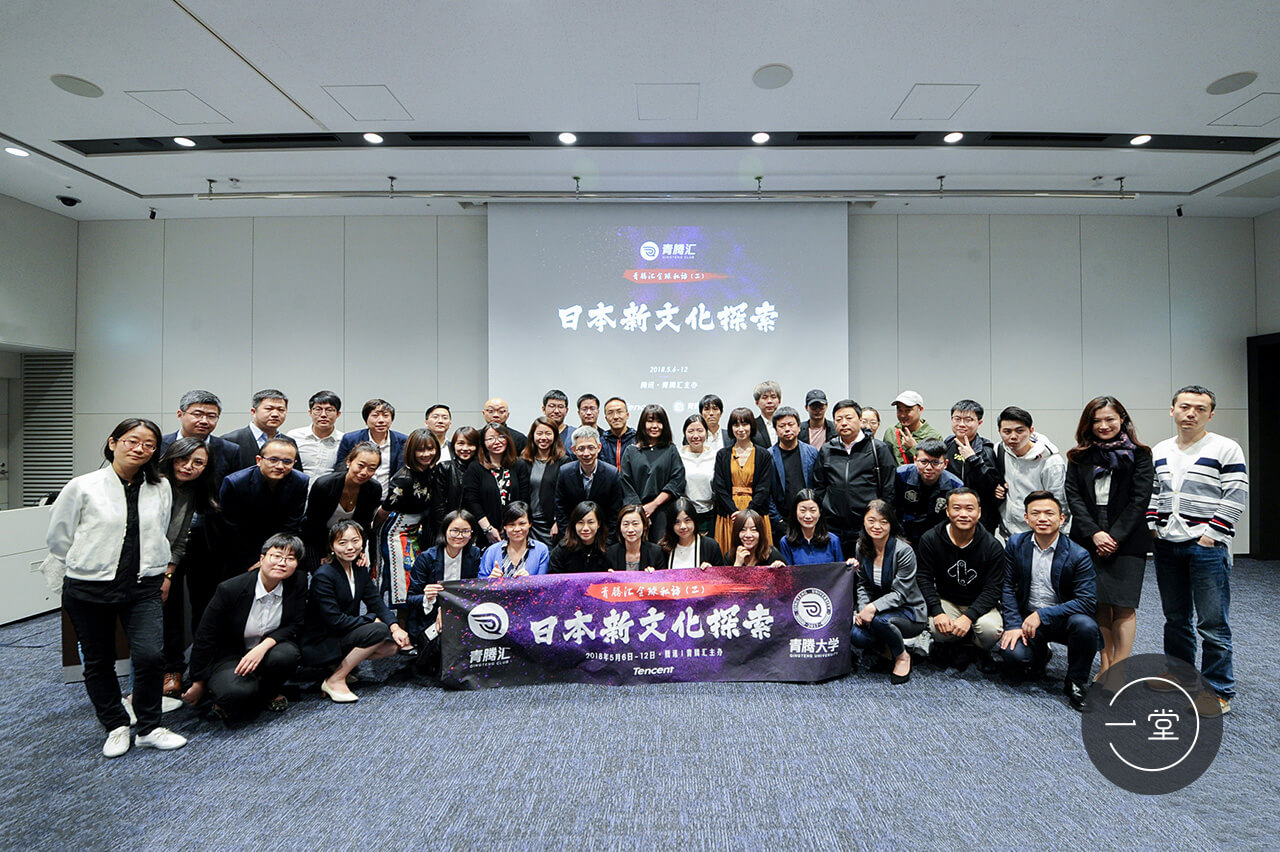
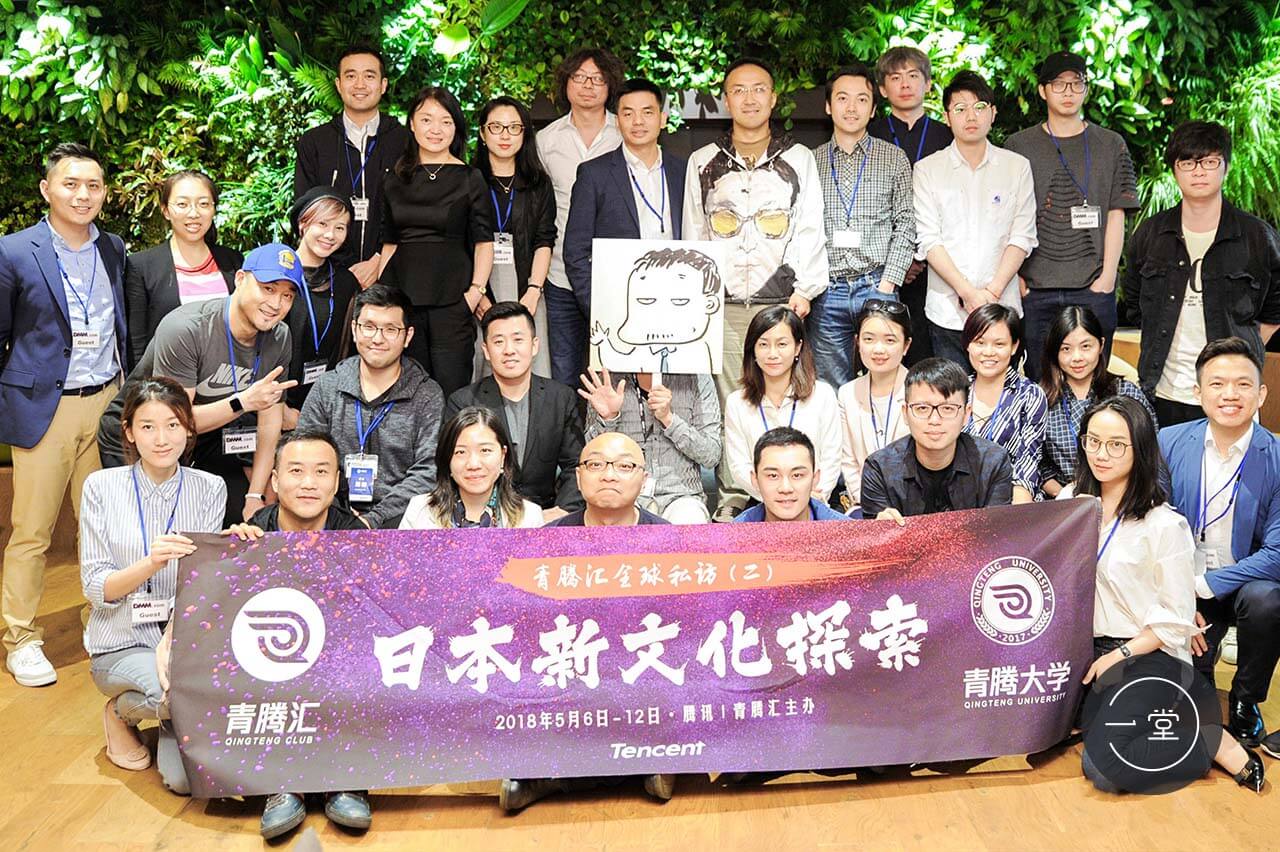
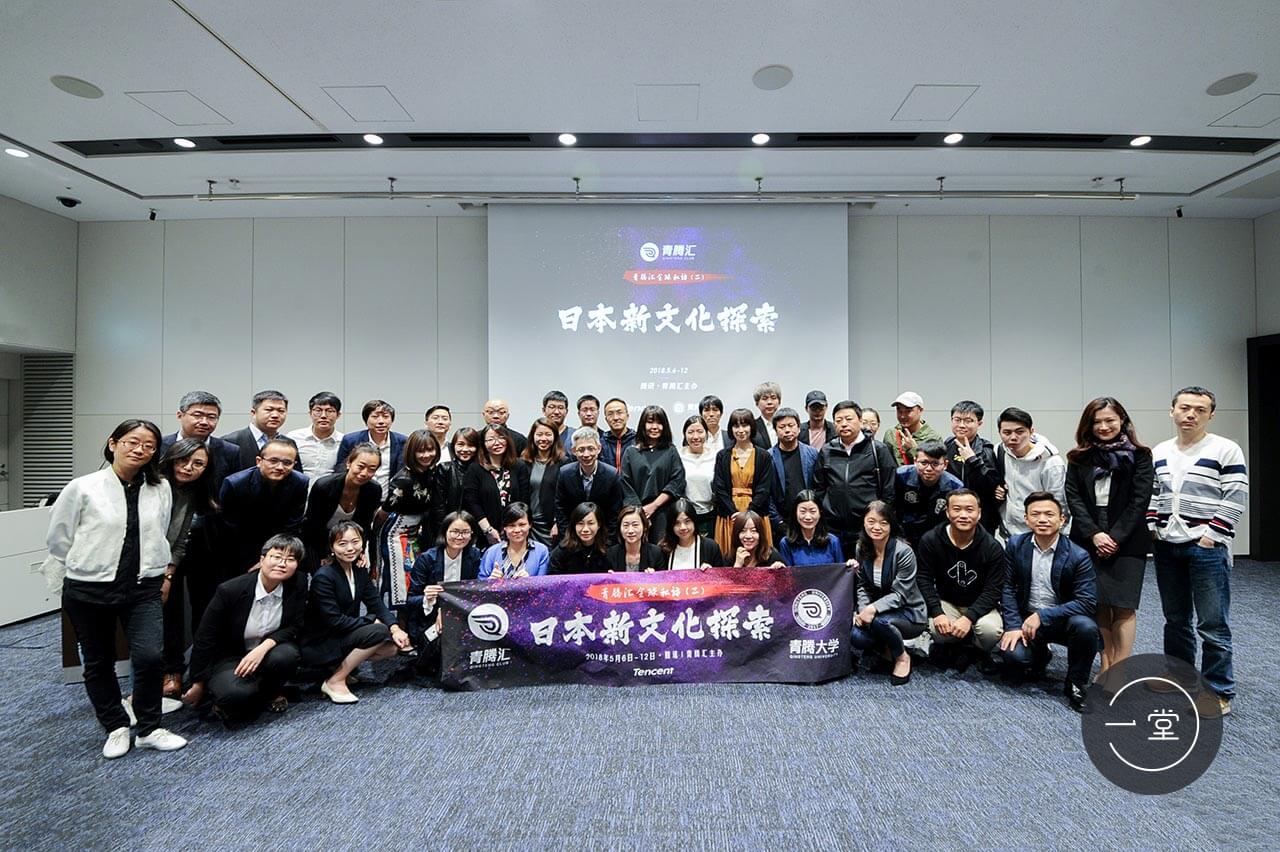
Following Qingteng Global Tour, Stop 1: Inside Smart Retail, Yitang planned, designed and ran the second stop for Tencent's founder community Qingteng: "Exploring Japan's New Culture", held in Tokyo from 6 to 12 May.
The delegation brought together more than 30 Qingteng University alumni and creative pioneers, including Xu Zhiyuan, host of the celebrity interview show Thirteen Invitations; Li Dan, star of Roast; Inke founder Feng Yousheng; Meitu CEO Wu Xinhong; and Mimeng, a blogger with millions of followers.
As the Japan partner of the Qingteng Global Tour, Yitang brought together 11 masters of Japan's creative industries: film legend Takeshi Kitano (北野武), AKB48 creator Yasushi Akimoto (秋元康), design master and MUJI art director Kenya Hara (原研哉), photographer and film director Mika Ninagawa (蜷川実花), Tsutaya Books founder Muneaki Masuda (増田宗昭), teamLab founder Toshiyuki Inoko (猪子寿之), leading architect Sou Fujimoto (藤本壮介), rising director Keishi Otomo (大友啓史), DMM founder Keishi Kameyama (亀山敬司), Tokyo Girl director Yuki Tanada (棚田由紀) and Niconico founder Nobuo Kawakami (川上量生).
The tour was built around conversations on original literature, film and television, entertainment, design and IP, with the leading figures of both countries' creative industries reflecting together on how the Chinese and Japanese cultural industries differ and where future collaboration lies.
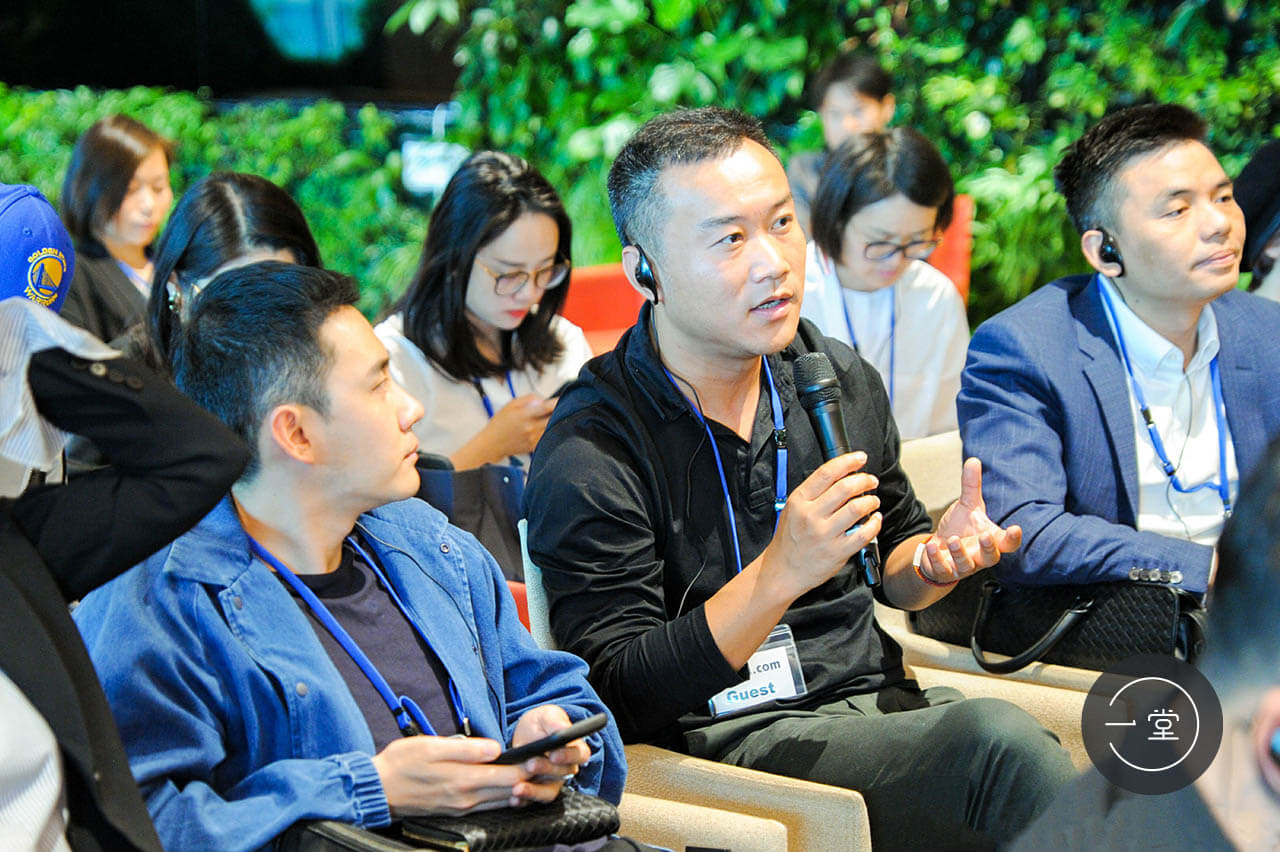
Participants
| Lin Songtao | Vice President, Tencent |
| Hou Xiaonan | Vice President, Tencent Mobile Internet Group; General Manager, Tencent Open Platform |
| Wu Xinhong | Founder & CEO, Meitu |
| He Xiaoxi | Co-founder & CEO, Xiaoguo Culture |
| Li Dan | Co-founder, Xiaoguo Culture |
| Jiang Changjian | Scholar and TV host |
| Wang Haining | Founder & CEO, Happy Elements |
| Lin Ning | Founder & CEO, Weiying (Wepiao) |
| Feng Yousheng | Founder & CEO, Inke |
| Zhang Liang | Co-founder, Zhihu |
| Mi Wenjuan | Founder & CEO, VIPKID |
| Wang Kai | Founder & CEO, Kaishu Storytelling |
| Ma Ling | Founder & CEO, Mimeng |
| Wang Yixu | Founder & CEO, Renxing Culture |
| Yu Hangying | Founder, Atom Entertainment |
| Yang Ming | Founder, papitube |
| Ying Shuling | Founder & CEO, Hero Entertainment |
| Xu Zhiyuan | Host, Thirteen Invitations |
| Wang Zhi'an | Producer, Jumian |
| Xu Danei | Founder & CEO, Newrank |
| Lü Chao | Founder & CEO, Youhug Media |
| Xu Danei | Founder & CEO, Newrank |
| Ma Rui | Founder & CEO, Huihuo |
| Liu Yanan | Founder & CEO, Guantou Video |
| Mo Liyang | Founder & CEO, Fengqun Culture |
| Peng Gan | Founder, Artron Culture |
| Mu Si | Founder, Muxingshe |
Takeshi Kitano: Ten Reflections on Life
Acclaimed director, actor and TV host
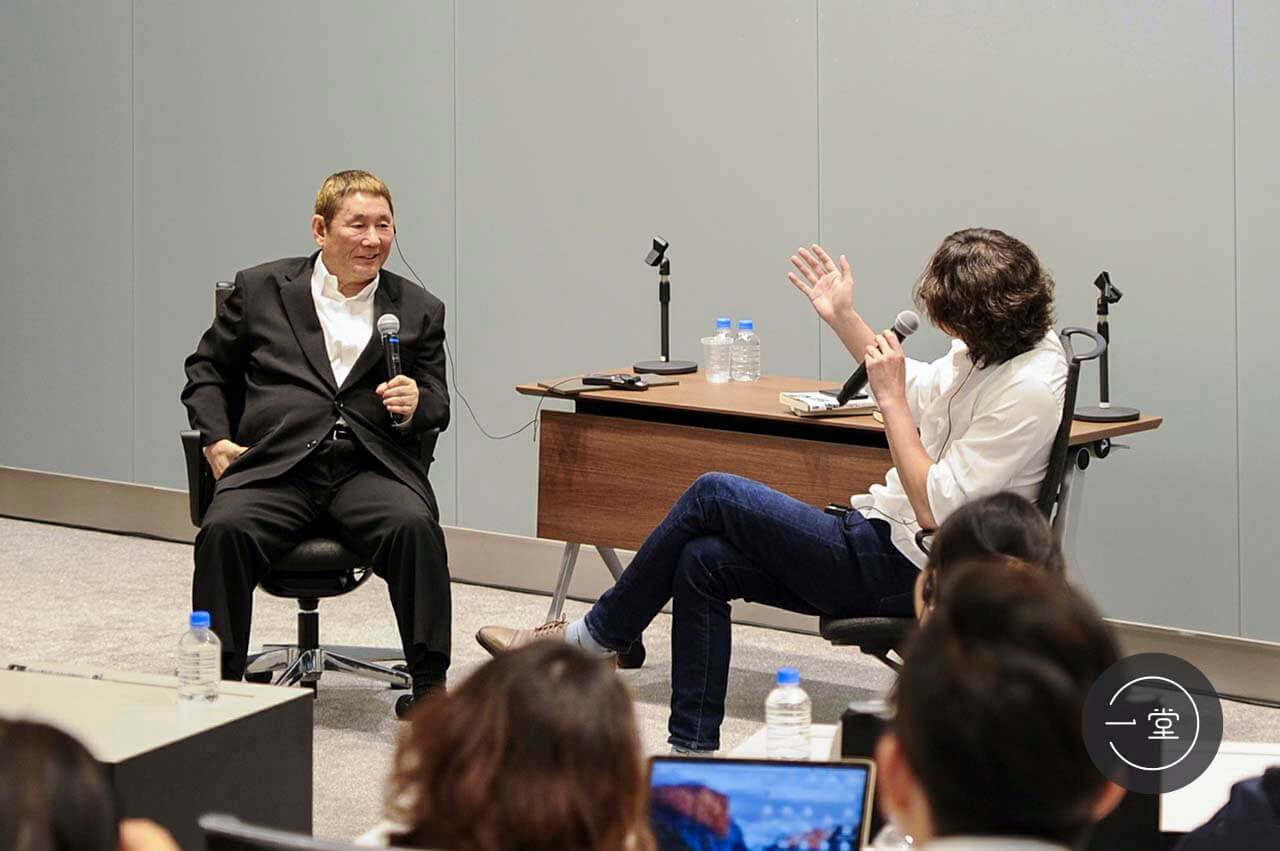
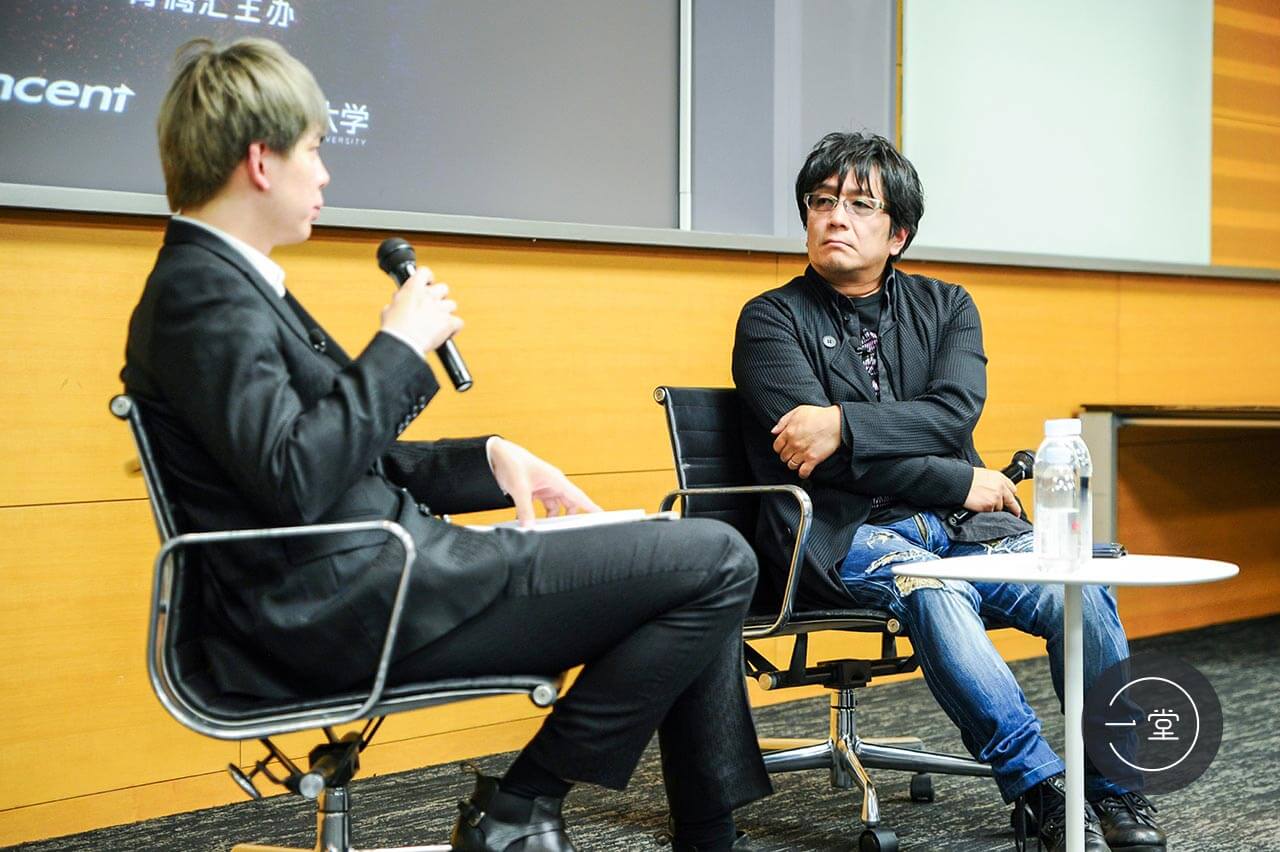
Takeshi Kitano, master of film, television and manzai comedy and one of Japan's most revered directors, sat down with Thirteen Invitations host Xu Zhiyuan to share ten reflections on life. "Be an adult who keeps a child's innocence." "Am I really alive?" "Most of what I wanted to do, I never managed." "Once you're old, make trouble for whoever you like." Every line was quotable. The conversation showed the group the real Takeshi Kitano and gave them a genuine feel for the creative path behind his "aesthetics of violence".

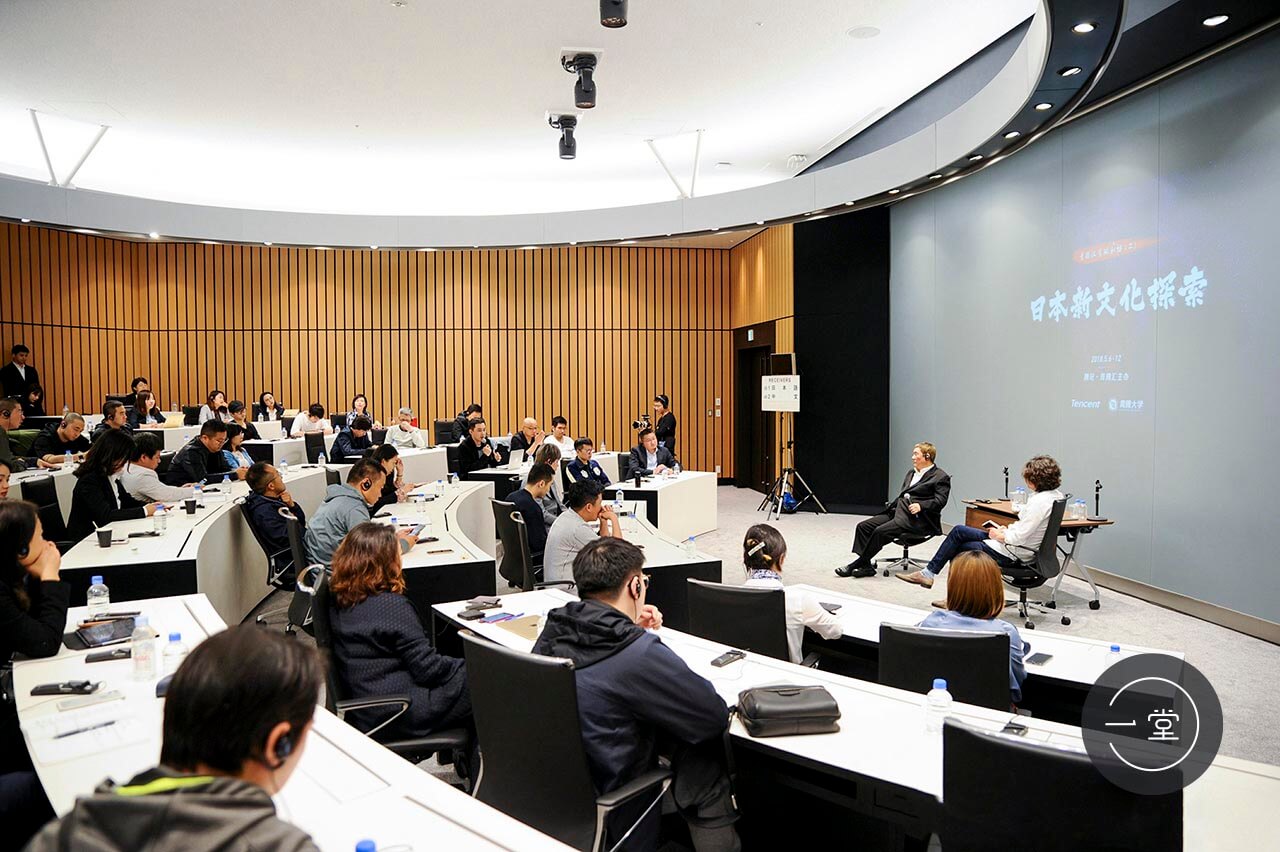
Yasushi Akimoto: Audiences Don't Necessarily Want a Finished Star
Producer and lyricist, creator of AKB48
Creator of Japan's phenomenal idol group AKB48 and the country's best-selling lyricist, Akimoto is hugely influential in Japan, with achievements across many fields, above all as a master of building girl groups and upending the entertainment business model.
Asked what led to AKB48, Akimoto told the group: "I realised that many fans don't necessarily want a star who is already a finished product; what they enjoy is watching these girls become stars. That's where the model came from. We let people watch in the theatre as these girls grow into stars step by step, and that became AKB48."
His next project is virtual idols: "With Sony Music we are building a group called 22/7, with eight virtual idols." Word had already surfaced in 2016 that Akimoto would team up with anime studio Aniplex and Sony Music, home of Nogizaka46 and Keyakizaka46, to launch a brand-new anime-style idol group.
Whether it is traffic-driven celebrities or idol IP, the same entertainment phenomena have surfaced in both China and Japan, which gave this exploration of Japanese culture real practical value. Over a week of exchange, the 28 Qingteng founders set off a brainstorm and came away with new ideas.
Mika Ninagawa: Expressing What Lies Beneath the Surface
Photographer, artist and director
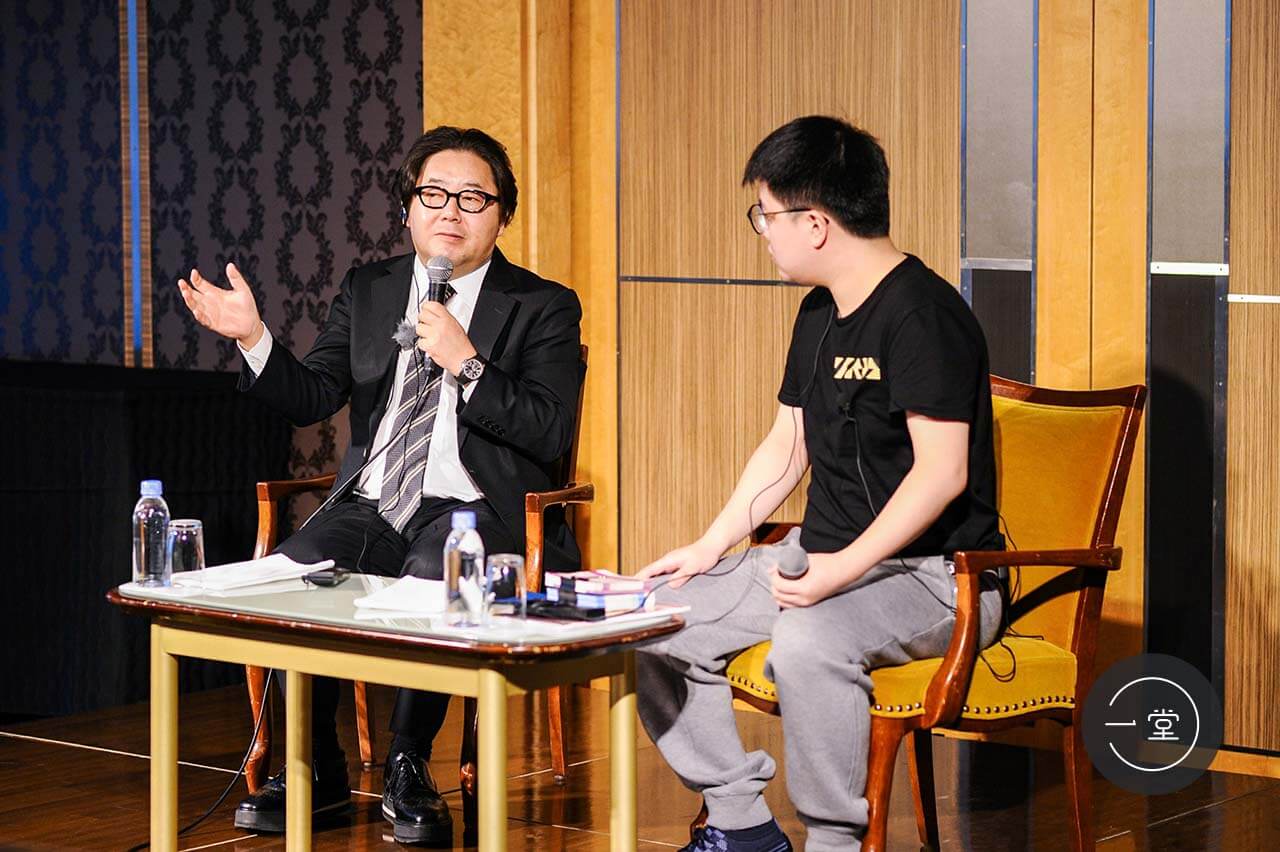
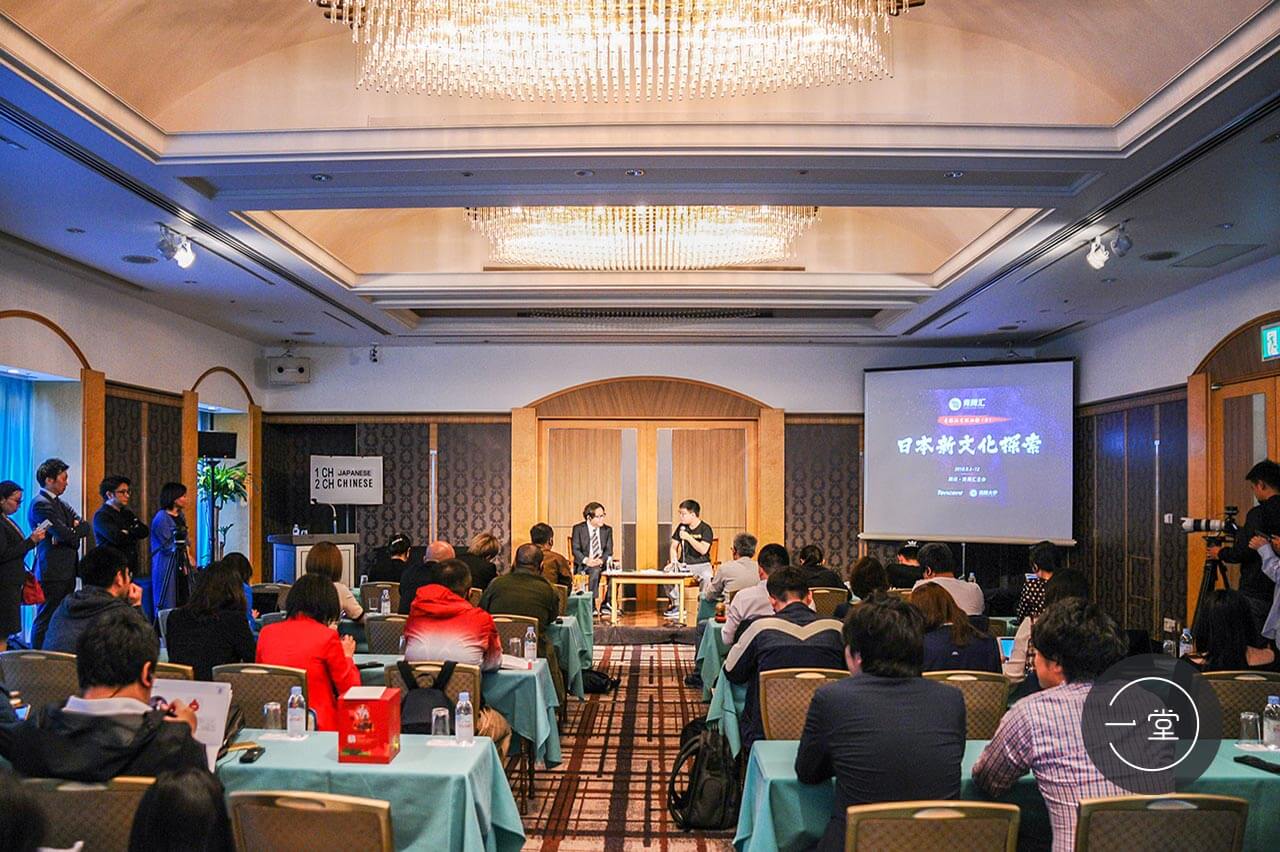
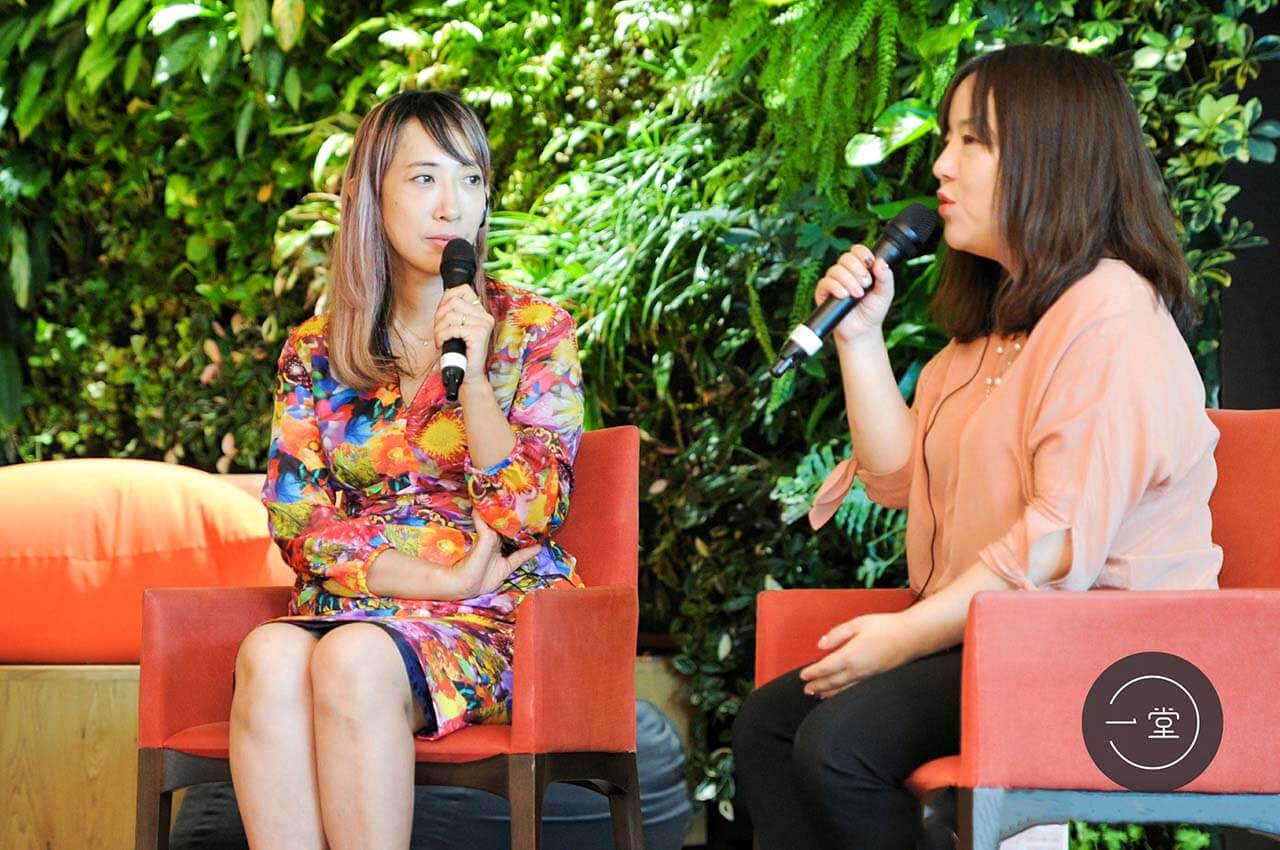
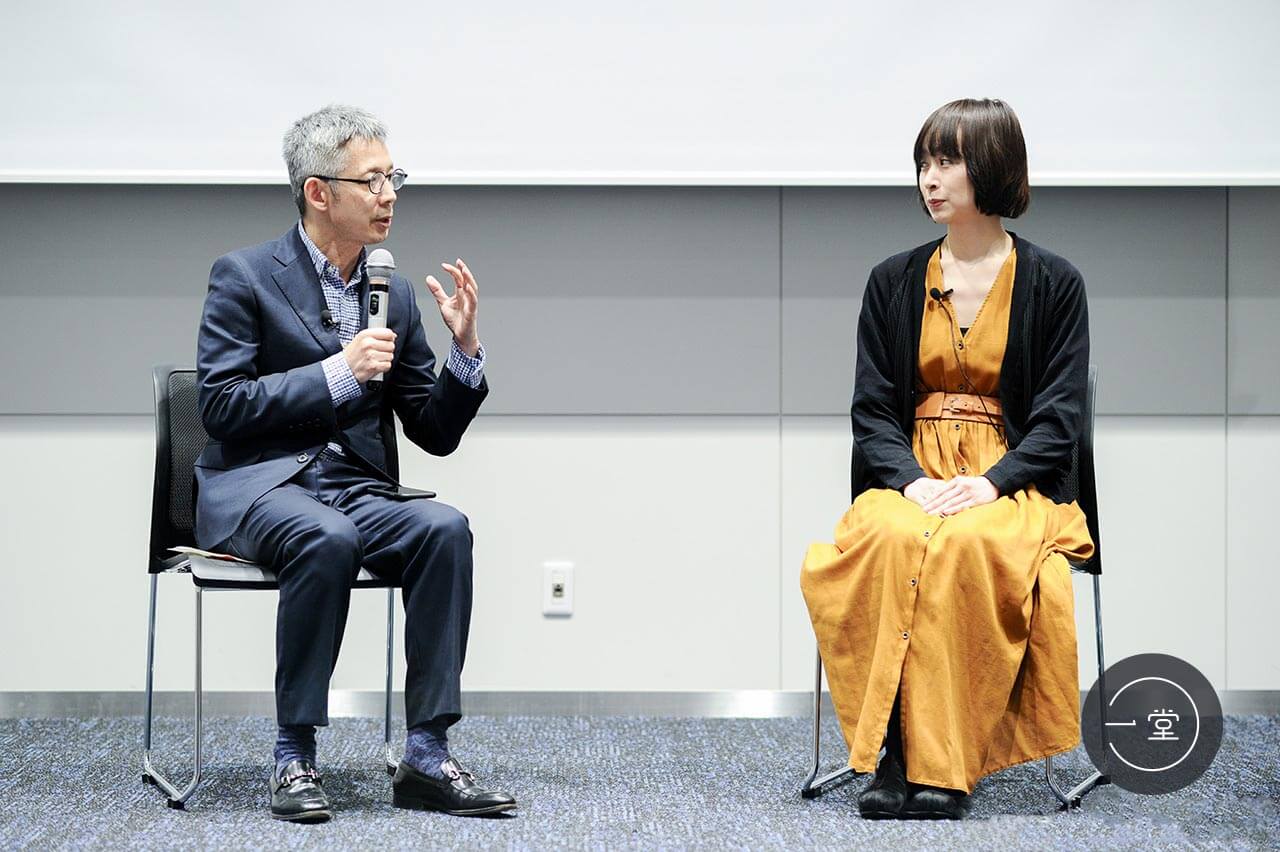
Mika Ninagawa, the celebrated photographer whose distinctly female gaze renders a vivid, kaleidoscopic world, spoke with Mimeng, founder of the Mimeng WeChat account, on the theme "from visuals to moving images". One of Japan's most representative women photographers, her work uncovers a depth of feminine beauty that a male gaze struggles to reach. What matters most when she shoots, she said, is her own understanding and interpretation of the subject and her connection with it, always striving to express what lies beneath the surface. Commerce and art sometimes clash, but commercial work can also become a source of artistic inspiration.

Kenya Hara: Human History Is a History Written by Desire
World-renowned graphic designer, art director of MUJI
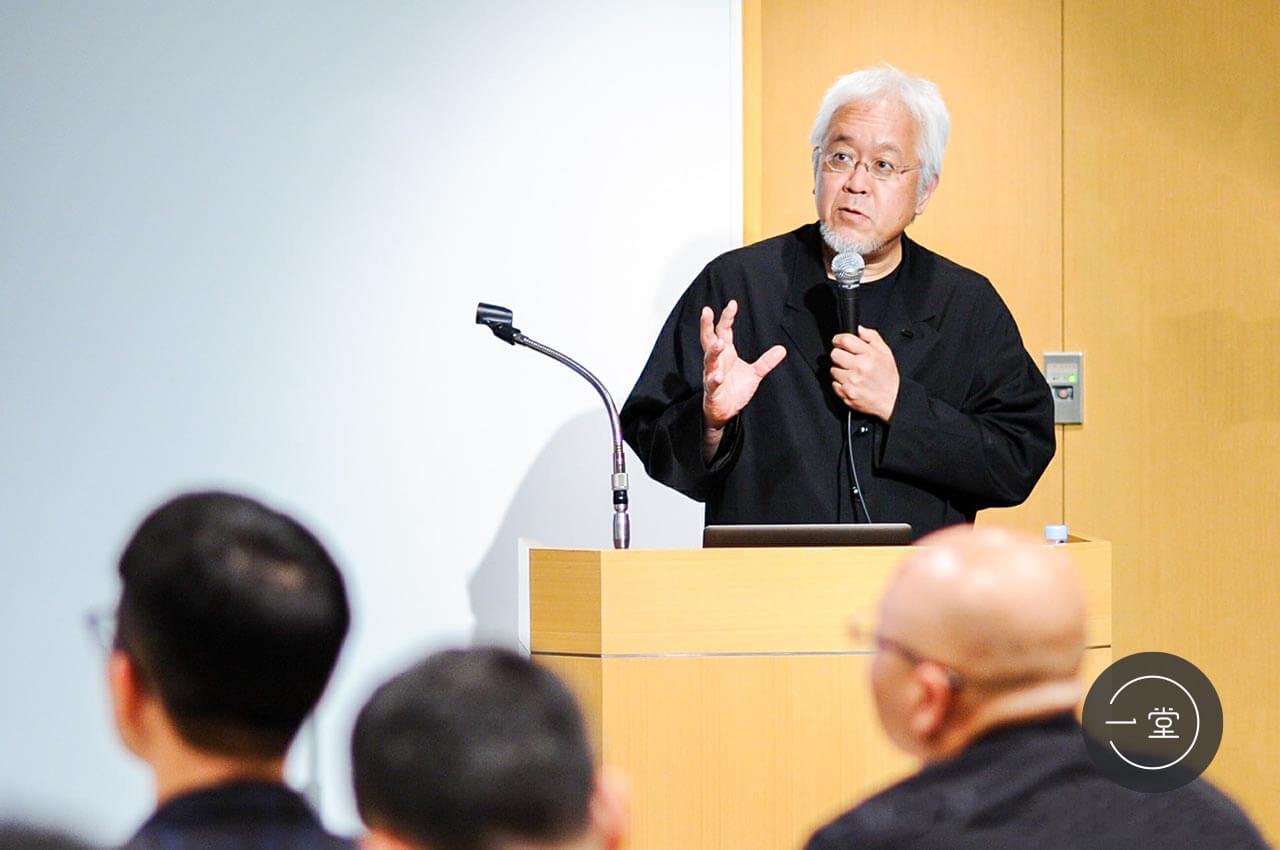
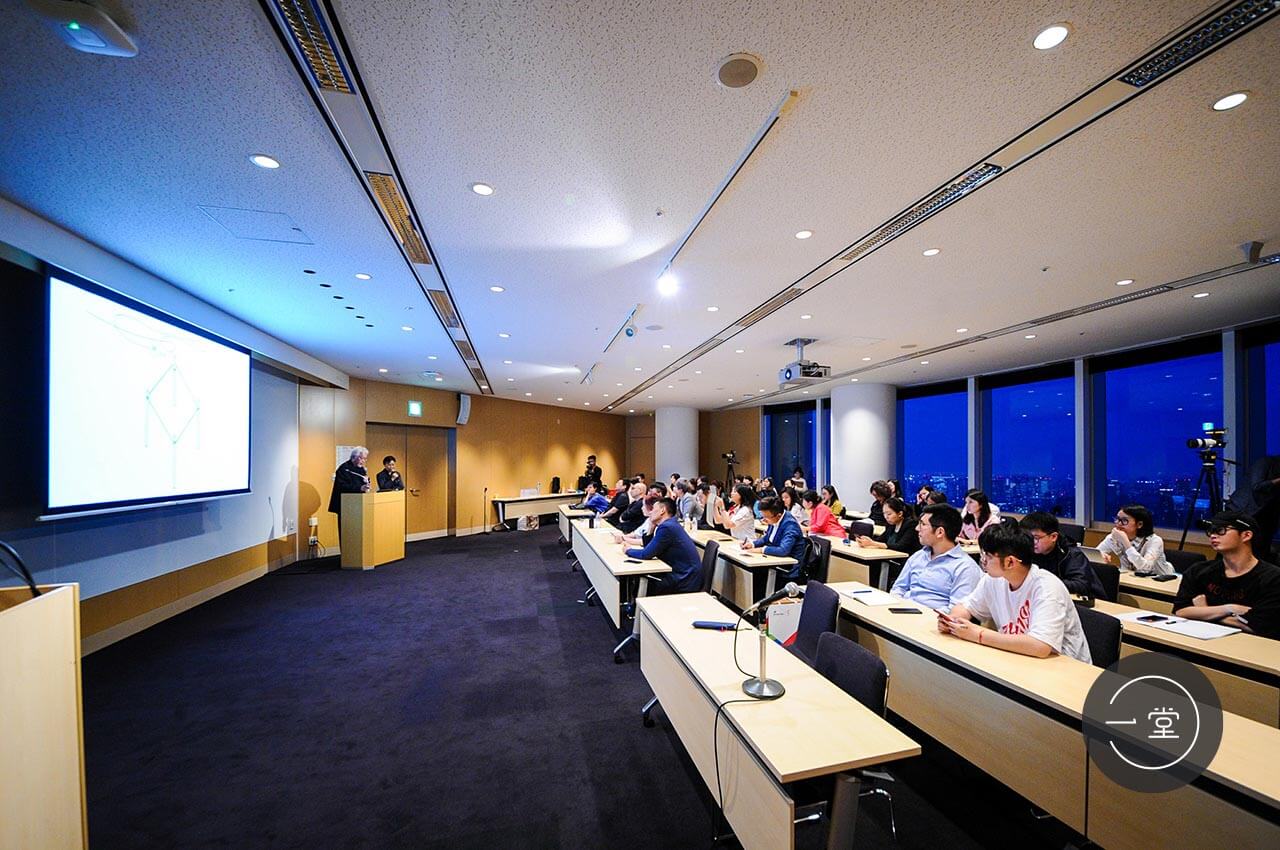
A graphic design master of international standing, Hara is a director of the Nippon Design Center and a professor at Musashino Art University. As art director of MUJI he created the brand's signature style: pared-back, natural and unadorned.
Keishi Kameyama: I Have Failed More Than 400 Times
Founder & CEO, DMM.com
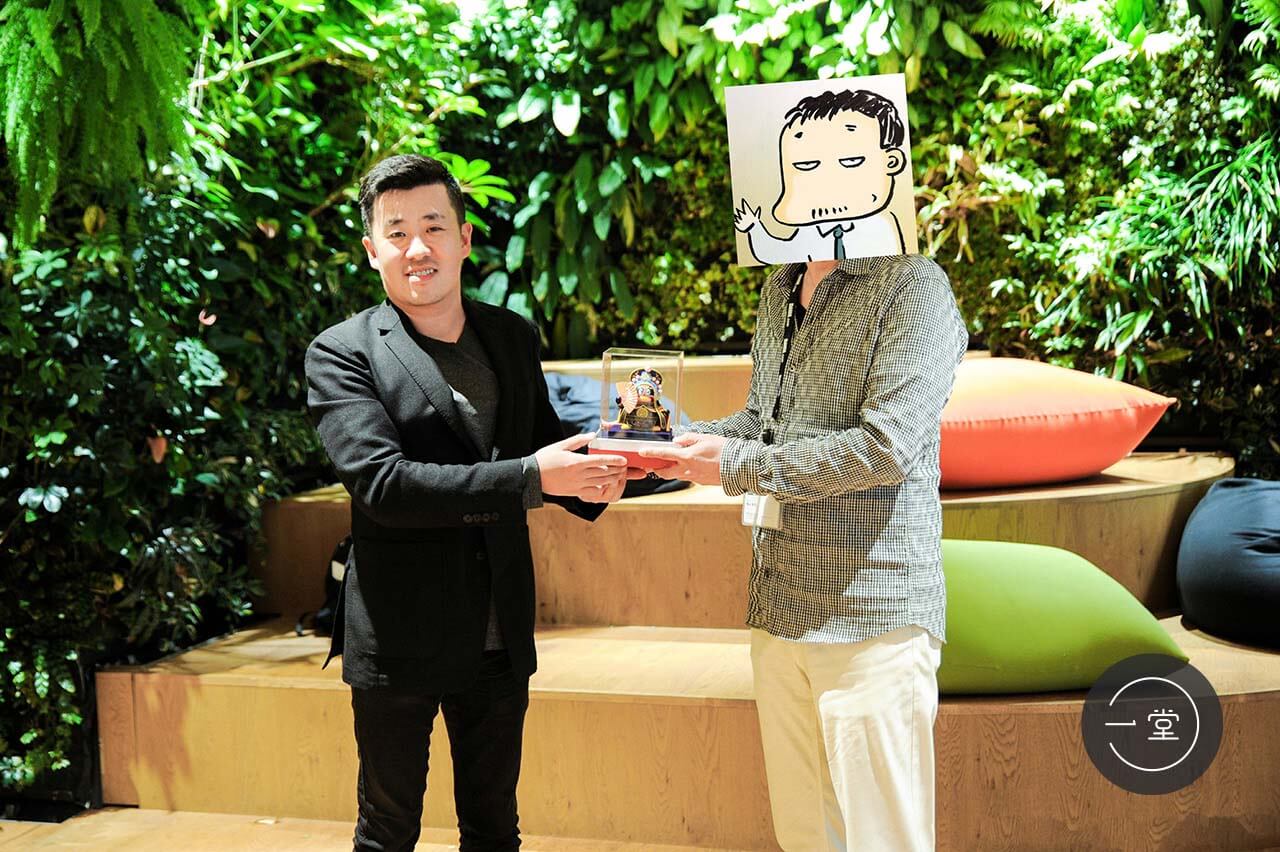
Qingteng members visited DMM.com for an in-depth conversation with Keishi Kameyama on the theme "from content to blockchain". Curiously, Kameyama never shows his face in interviews or at events; any front-on photo has to be masked with a cartoon.
Kameyama is a legend of Japan's startup world. He came to Tokyo at 19 to run a street stall, went home a few years later to run a DVD rental shop and, after discovering how lucrative adult content was, quickly built a fully integrated chain from content production through logistics, stores and sales-data feedback.
In 1998, at the dawn of the internet, he founded DMM.com as an online rental and video streaming platform. It rapidly expanded into more than 40 online services, from English lessons and games to foreign-exchange trading, while the company kept branching out offline into solar power plants, a 3D-printing incubator, a VR aquarium and more. Kameyama said his focus now is on new businesses: a bitcoin exchange and blockchain, building anime IP, online games and DMM Africa.
Toshiyuki Inoko: Technology Is Just One Way to Present Art
Founder, teamLab
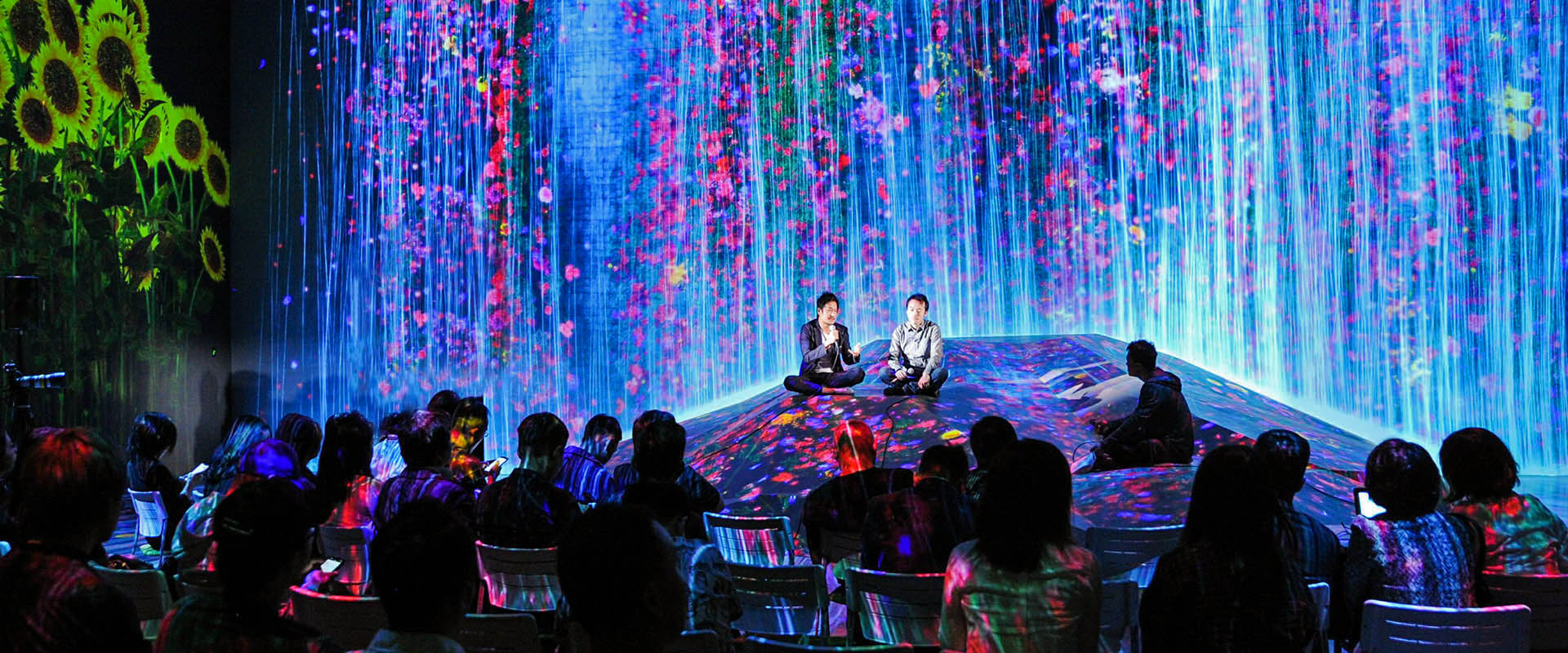
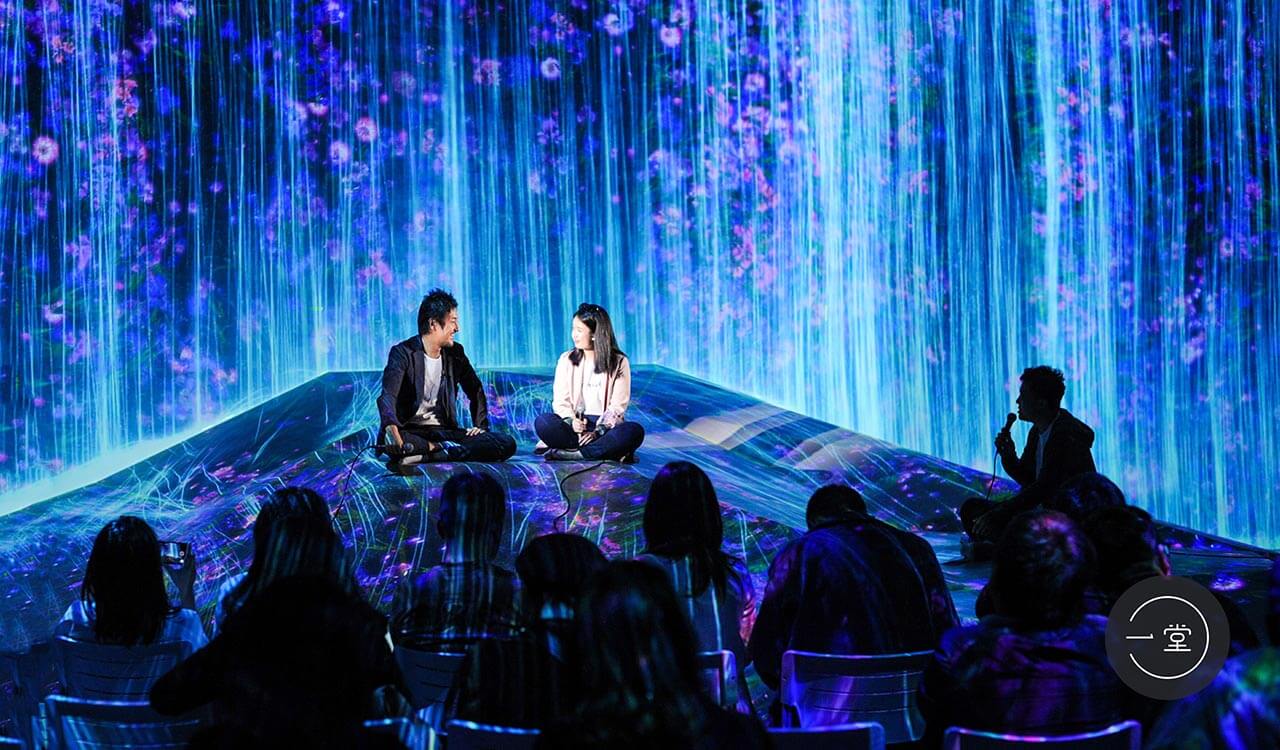
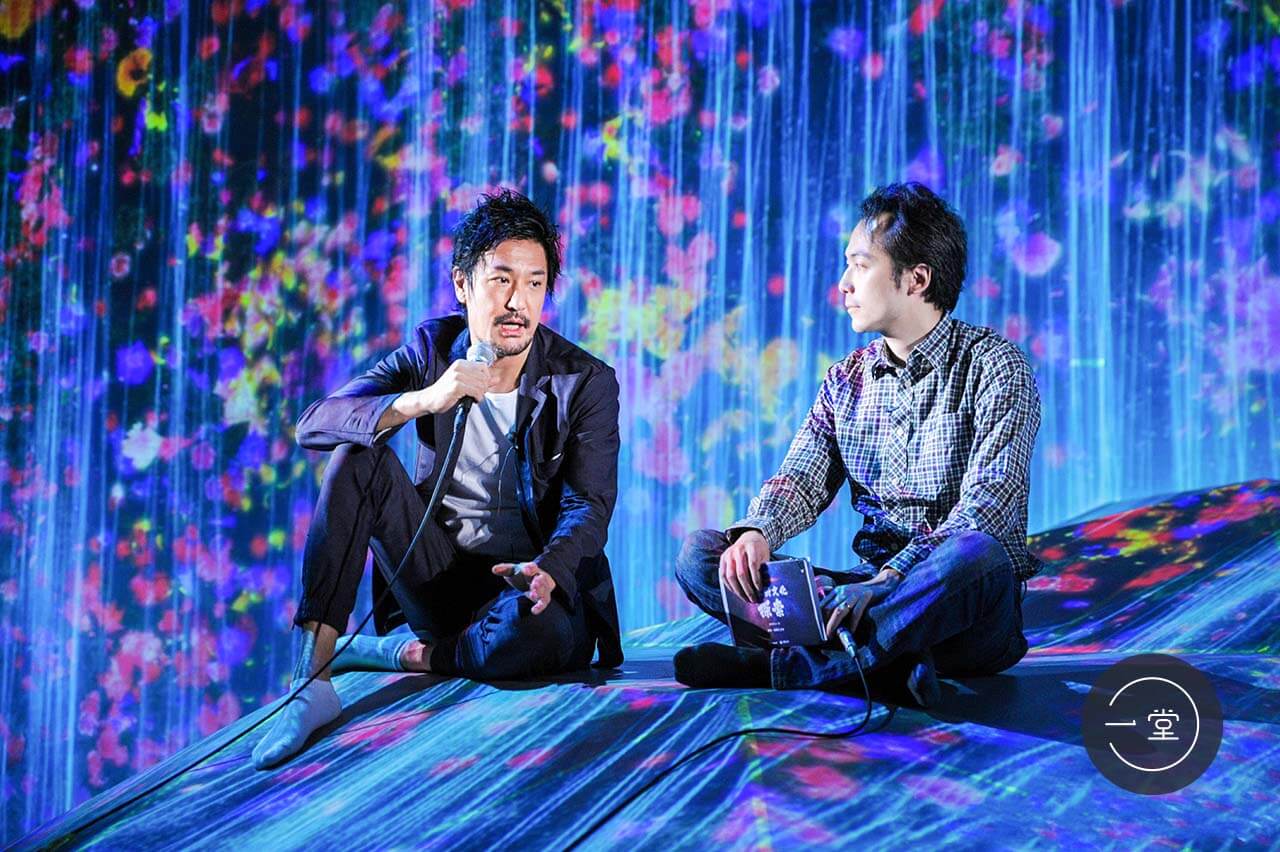
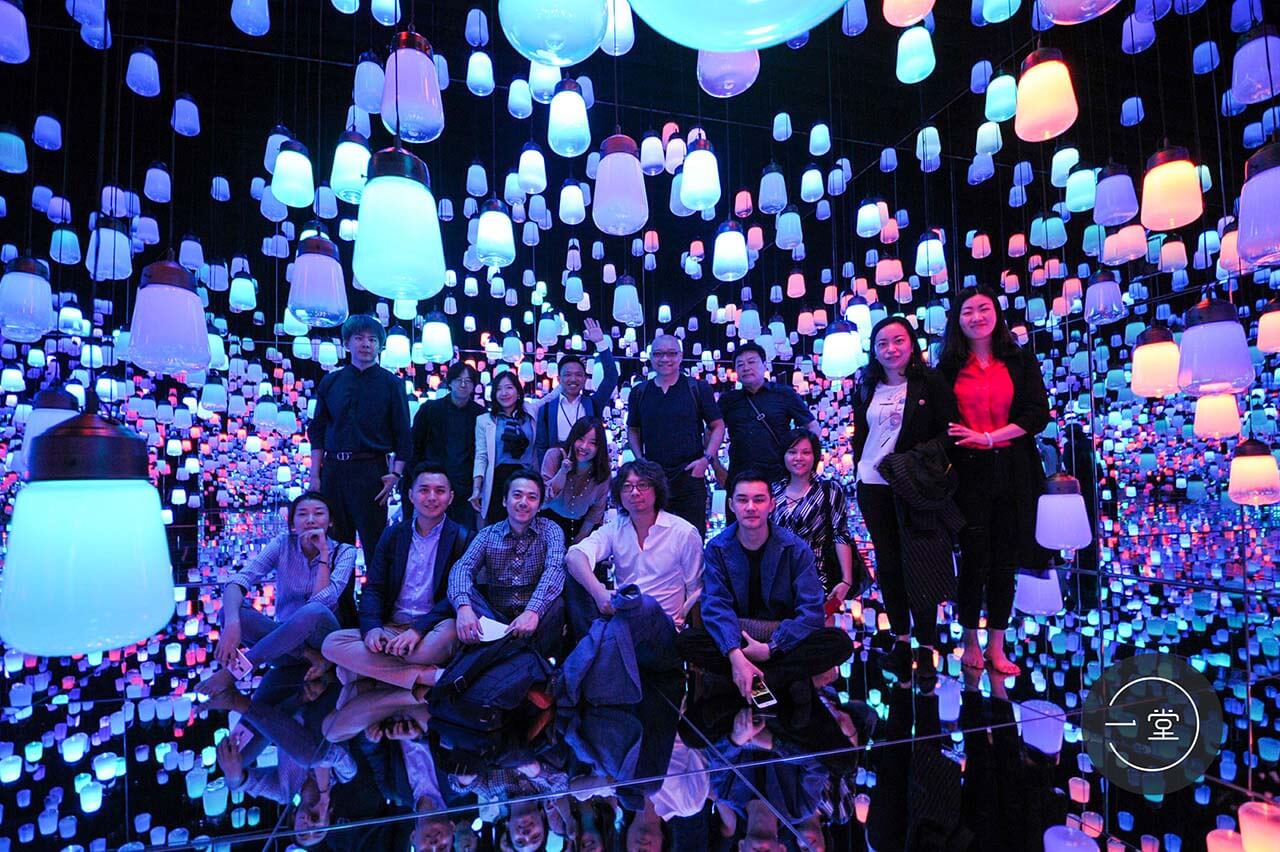
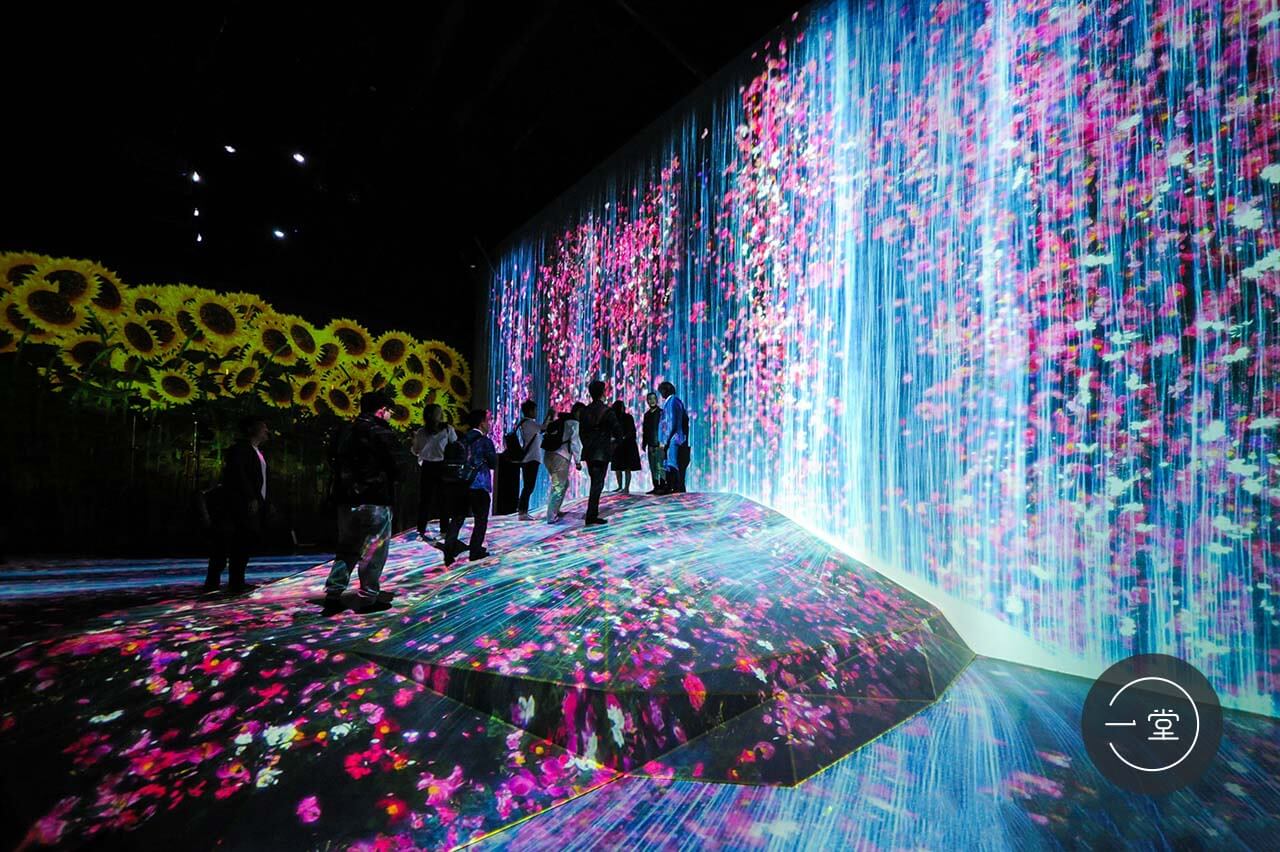
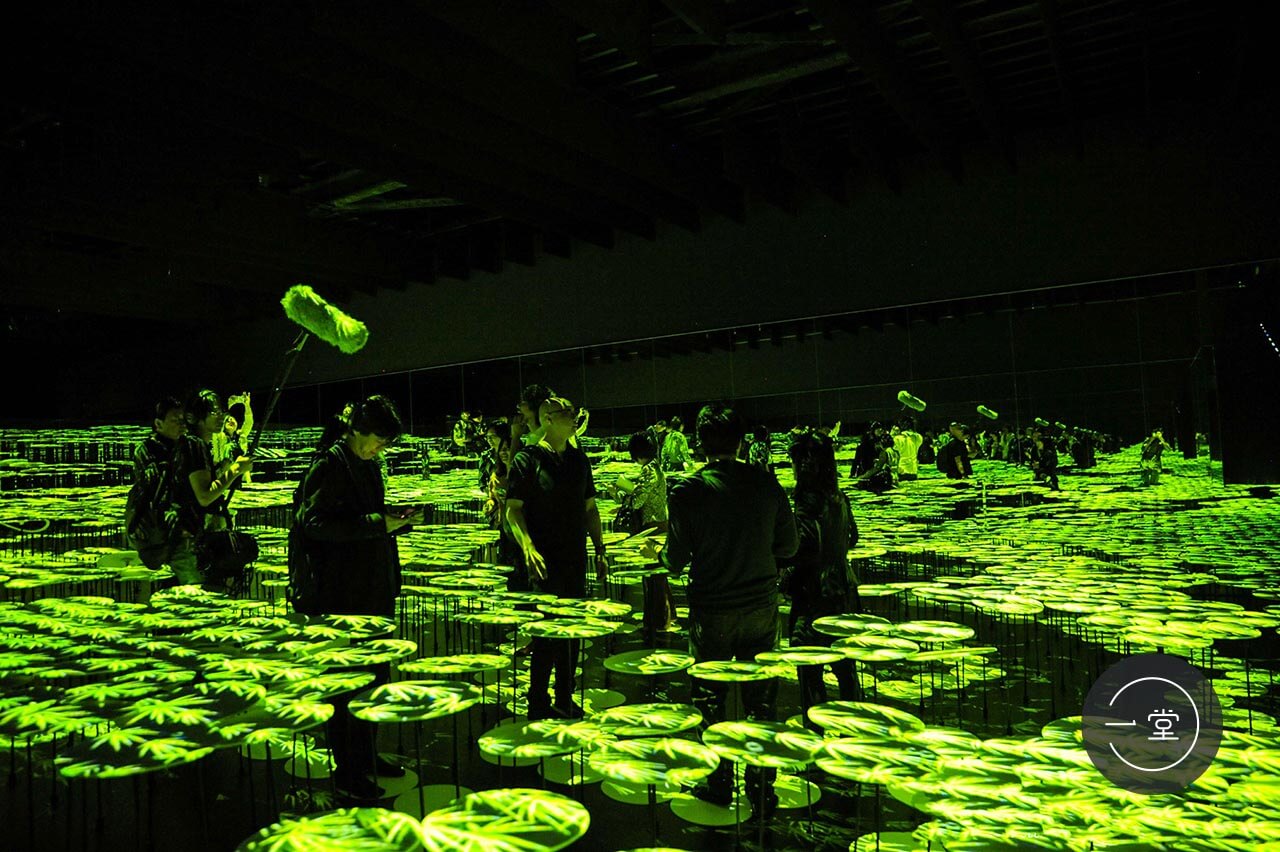
teamLab runs the world's first museum built entirely on digital technology, a seamless fusion of technology and art. At the teamLab museum in Odaiba, Tokyo, founder Toshiyuki Inoko sat on the floor with Zhihu co-founder Zhang Liang for a deep discussion of digital media and nurturing creativity. Most of his creative inspiration, Inoko said, comes from how he perceives and understands the world. No idea has a clear form at the start; it takes shape gradually as the team works on it. Digital technology is only one means of expressing art, and teamLab will keep exploring new and more diverse forms of expression.
Keishi Otomo: Shoot Every Film as If It Were Your Last
Film and television director
Keishi Otomo is a leading Japanese director whose life and creative inspiration are inseparable from manga. His credits include the Rurouni Kenshin series, Hagetaka and Shirasu Jiro.

Nobuo Kawakami: Indecision Is Also a Way of Exploring Possibilities
Founder of niconico, film producer
Nobuo Kawakami founded the video-sharing site niconico, whose scrolling "danmaku" comments swept Japan. He worked on Hayao Miyazaki's animated film The Wind Rises and went on, as a film producer, to make The Kingdom of Dreams and Madness, a documentary about Studio Ghibli.


Yuki Tanada: A Woman's Life Is Hers to Choose
Director of Tokyo Girl
Tokyo Girl is a web series released by Amazon Japan in 2016 and currently rated 8.7 on Douban. Adapted from the web novel of the same name serialised in Tokyo Calendar, it follows the real loves and life of a single woman in Tokyo from age 20 to 40. The series struck a chord with viewers: although set in Tokyo, it rings true for any big city. Recently the Chinese adaptations Women in Beijing and Women in Shanghai, officially licensed from Dentsu Tokyo, have also been released on streaming platforms.
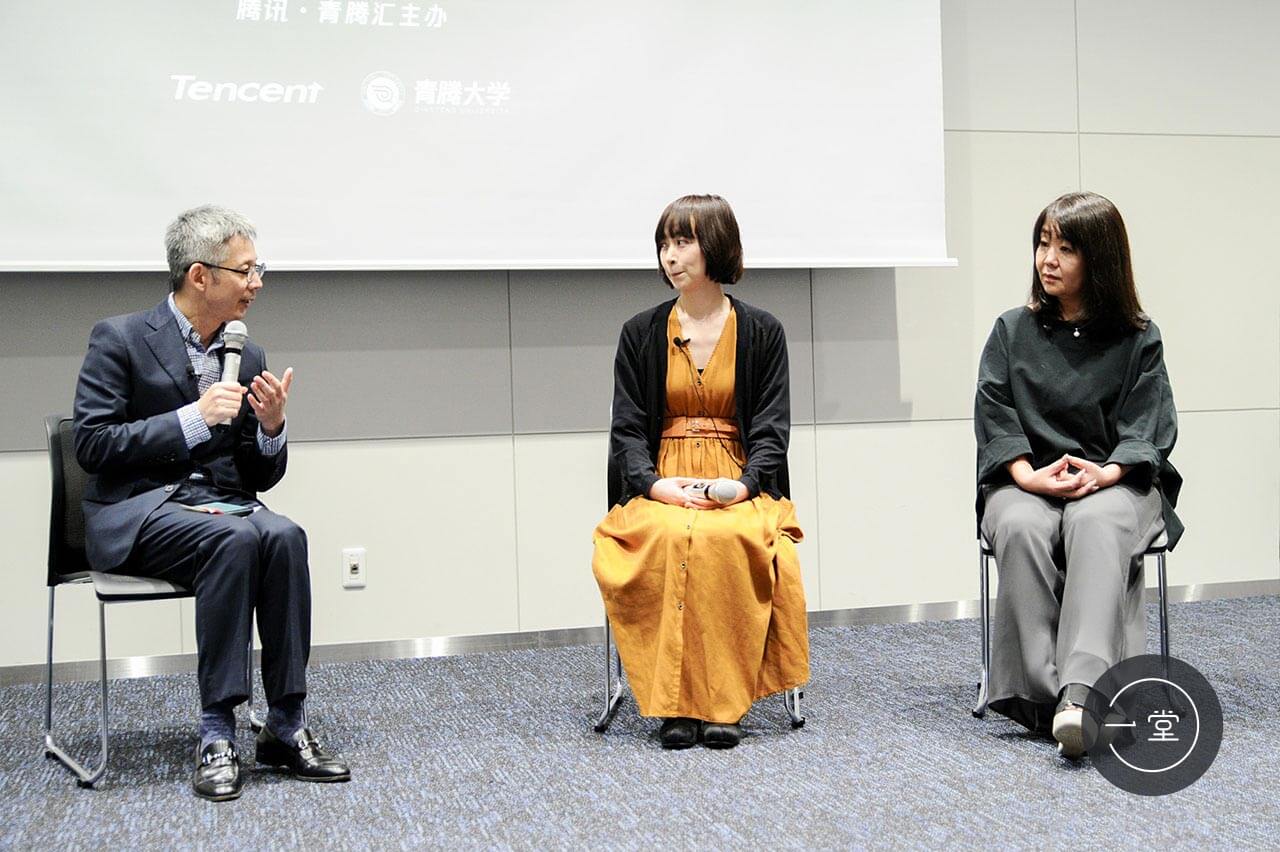
We also brought in Tokyo Girl's director Yuki Tanada, producer Hisashi Nakama (中間恒) and screenwriter Hisako Kurosawa (黒沢久子) for a conversation with the celebrated host Jiang Changjian, exploring the series' creative background, planning process and spin-off works in depth.
Sou Fujimoto: Architecture Is the Scenes We Live Through
Internationally acclaimed architect
Sou Fujimoto is considered one of the most talented architects of Japan's new generation. He often describes his work as "primitive" and sees architectural practice as a way of exploring the world and humanity. On the tour he presented his signature House N, which blends private and public space so completely that home feels like nature itself. Fujimoto also expressed great admiration for Beijing's urban planning: the new rising alongside layers of history, the blending and contrast of old and new, is for him the charm of Beijing.