

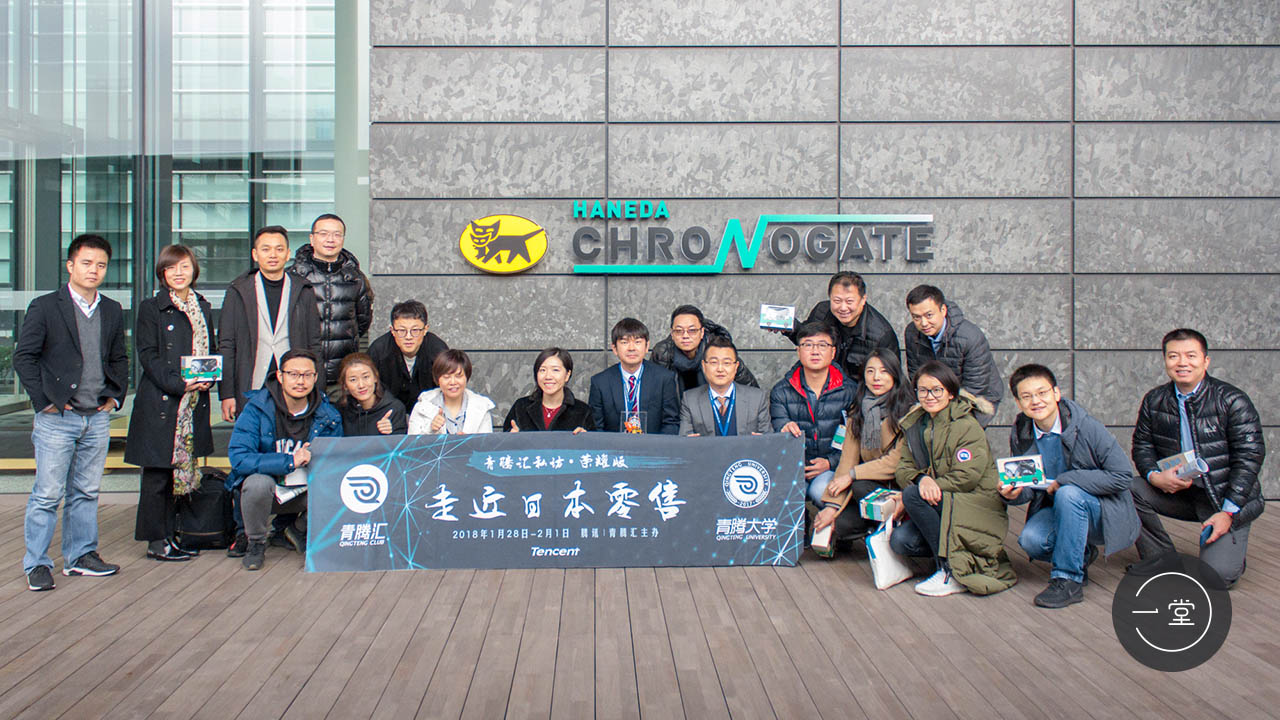
From 28 January to 1 February, Qingteng, Tencent's community of founders, brought the first stop of its Global Tour to Japan for a close look at Japanese retail.
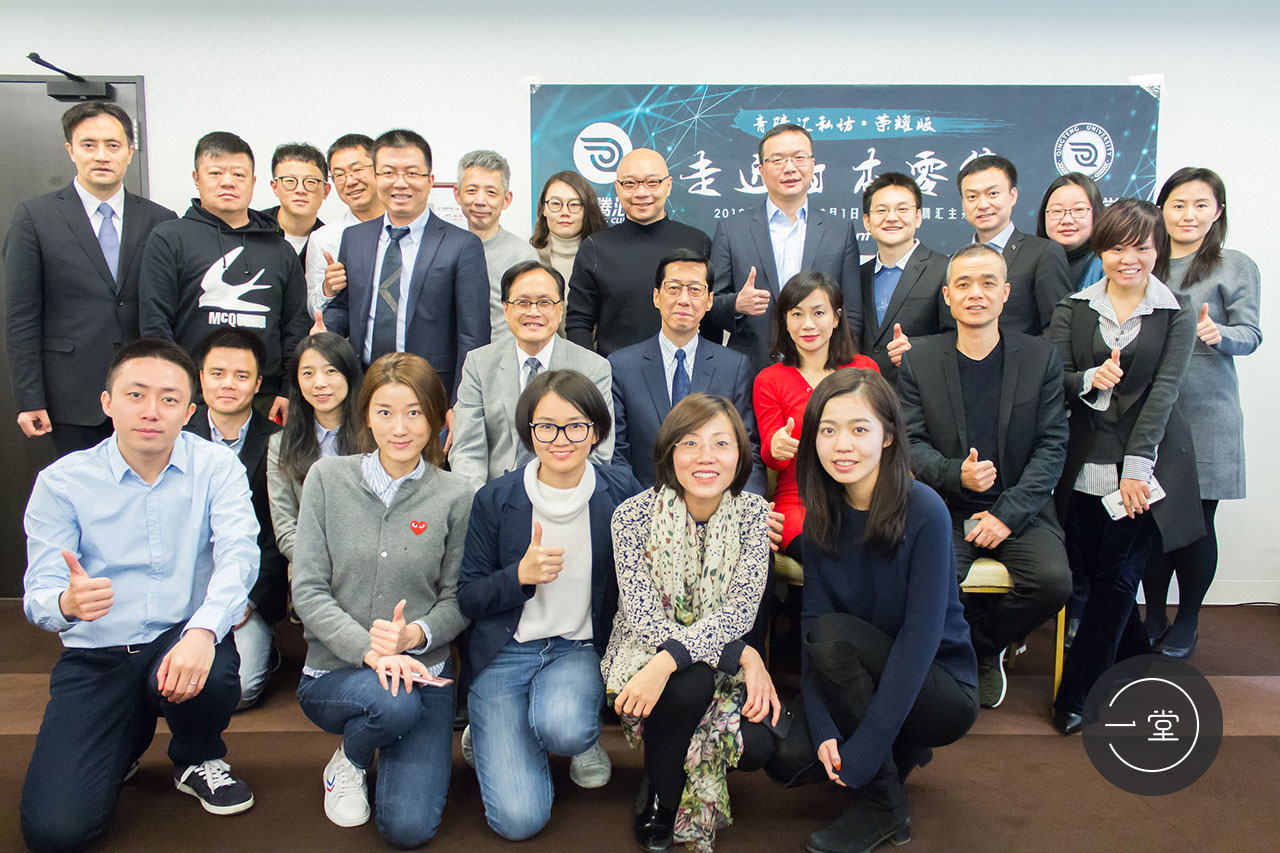
More than 30 business leaders, including Yonghui founder Zhang Xuanning, Mewe Media founder Ma Dong and Meituan senior VP Wang Huiwen, met over 15 of Japan's most representative companies, among them MUJI, 7-Eleven, Tsutaya Books, Matsumoto Kiyoshi, FamilyMart and Yamato Transport. Through company visits, closed-door sessions and conversations with industry leaders, the Chinese and Japanese executives traded ideas and came away with fresh thinking on where retail goes next.
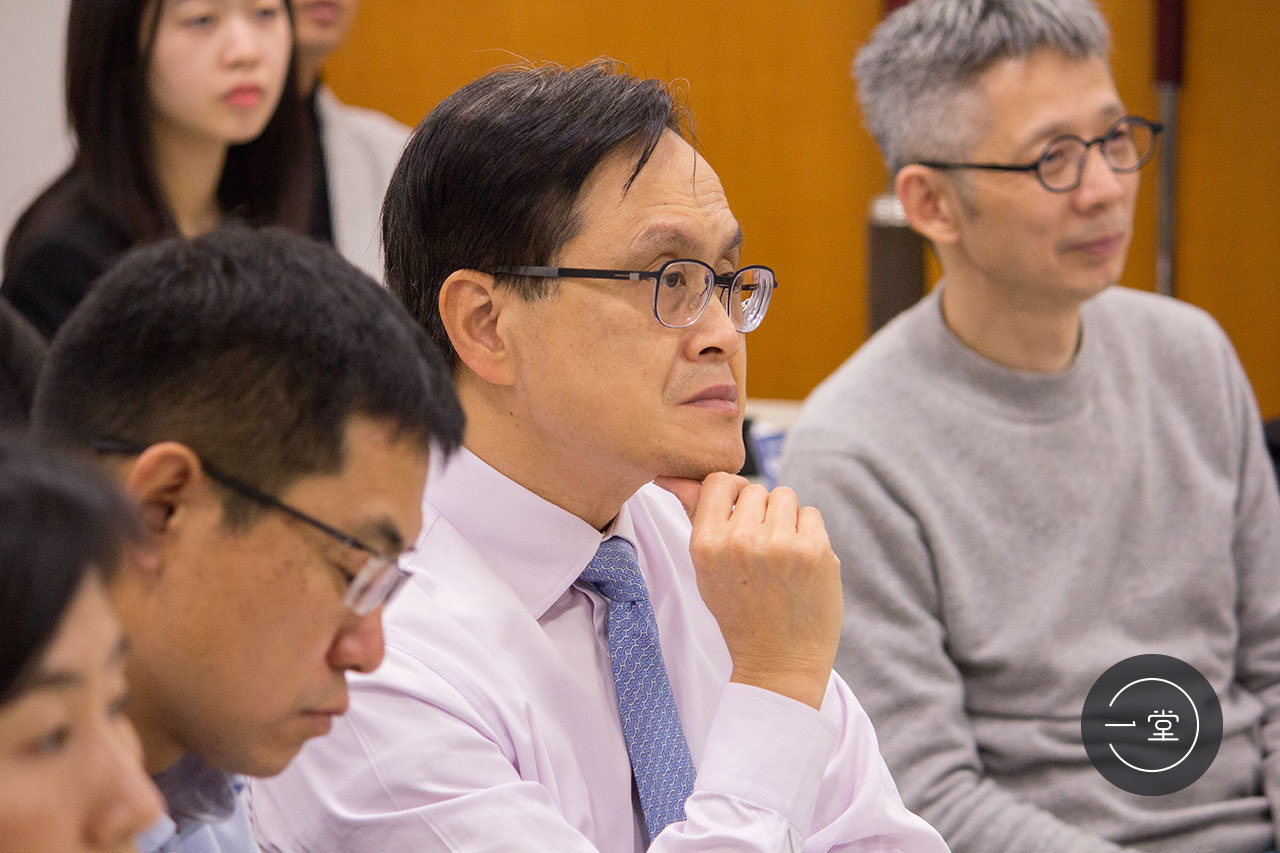
Participants
| Yang Guoan | Senior Management Advisor, Tencent |
| Hou Xiaonan | Vice President, Tencent Mobile Internet Group; General Manager, Tencent Open Platform |
| Wang Lan | Deputy General Manager, Tencent Open Platform |
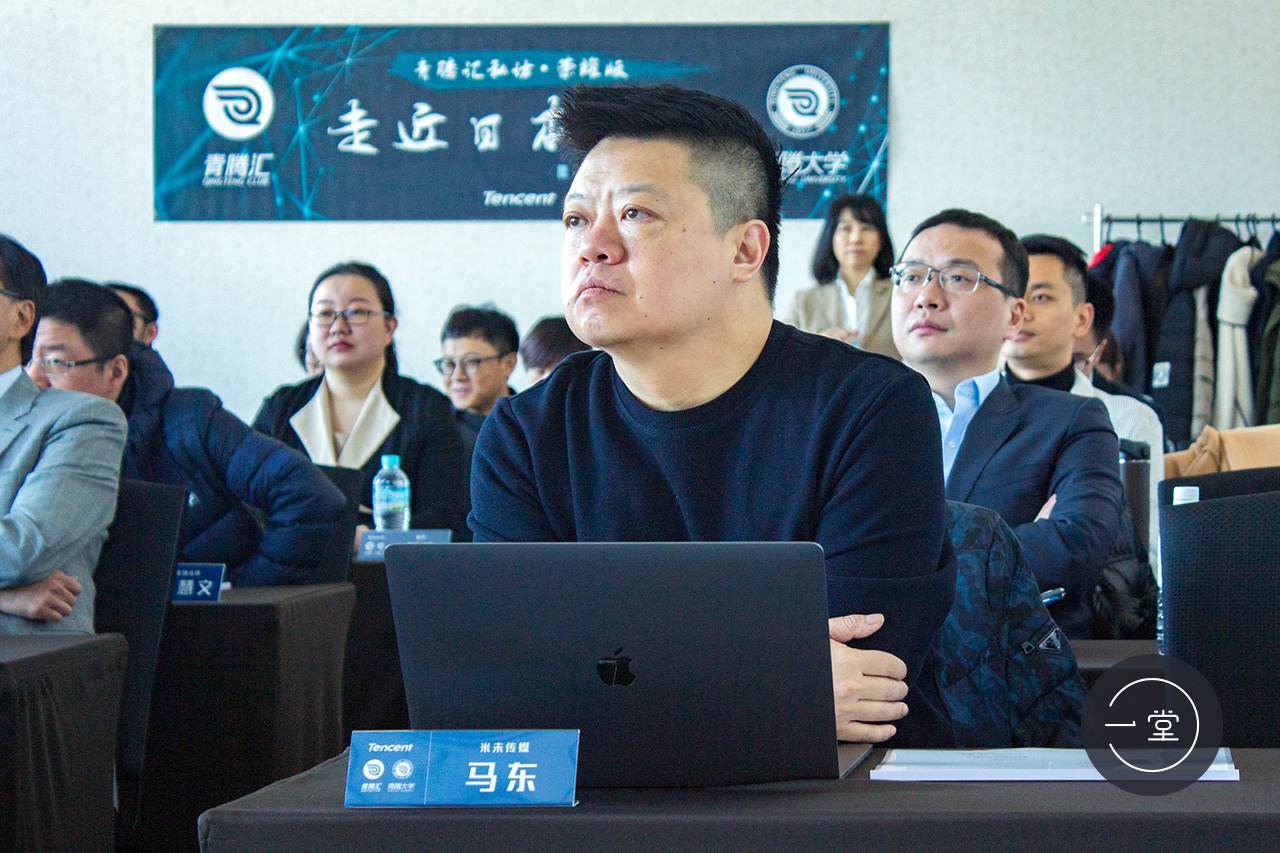
| Ma Dong | TV host; Founder & CEO, Mewe Media |
| Zhang Xuanning | Founder & CEO, Yonghui Superstores |
| Wang Huiwen | Senior Vice President, Meituan-Dianping |
| Jiang Changjian | Scholar and TV host |
| Yu Jiangbo | President, Neoglory Group |
| Qu Fang | Founder, Xiaohongshu (RED) |
| Zeng Bin | President, MissFresh |
| Wang Ning | Founder & CEO, Keep (fitness app) |
| Shen Ya | Co-founder, Chairman & CEO, Vipshop |
| Jiao Yue | Vice President, Pagoda |
| Li Hua | Founder & CEO, Futu Securities |
| Lü Jinjie | Founder & Chairman, Chuchujie |
| Ye Daqing | Founder & CEO, Rong360 |
| Xu Yubin | CEO, Hive Box |
| Liu Nan | Founder & CEO, Mia.com |
| Li Xiao | Founder, Global Catcher app |
| Wang Kai | Founder, Kaishu Storytelling; TV host |
| Li Lei | Partner, Weiguang Ventures |
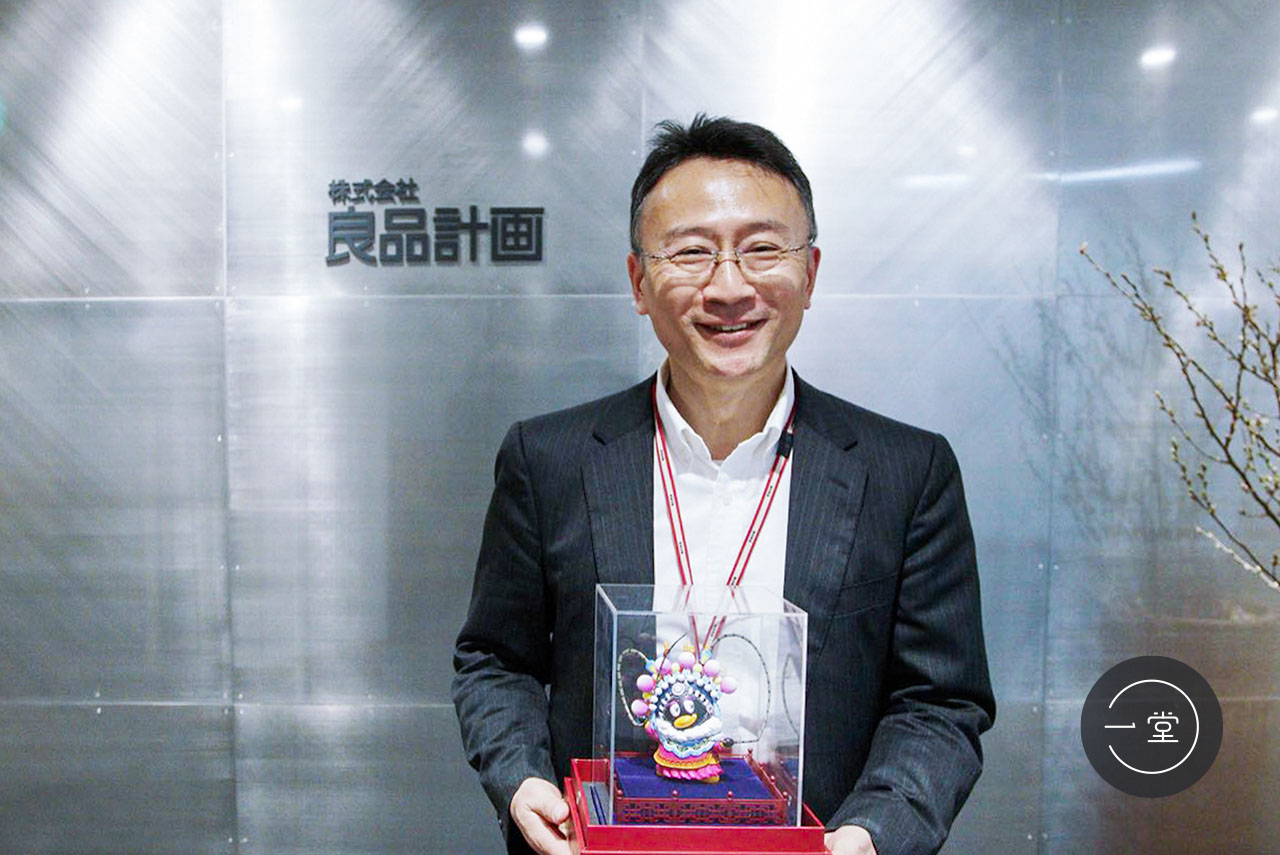
MUJI: A World-Class Retail Brand
Speaker: Satoru Matsuzaki (松崎曉), CEO, Ryohin Keikaku
Founded in Japan in 1980, MUJI built a world-class retail brand on an "anti-brand" philosophy and positioning.
The group visited MUJI's Tokyo headquarters, where CEO Satoru Matsuzaki shared the company's management philosophy and how the brand was built. He summed up four convictions MUJI holds to: "humanism, not capitalism"; "mass production and mass consumption are not good"; "no brand name, and no design that nudges people to buy"; and "keep only what matters most". That philosophy and positioning are the foundation of MUJI's annual sales in the tens of billions.
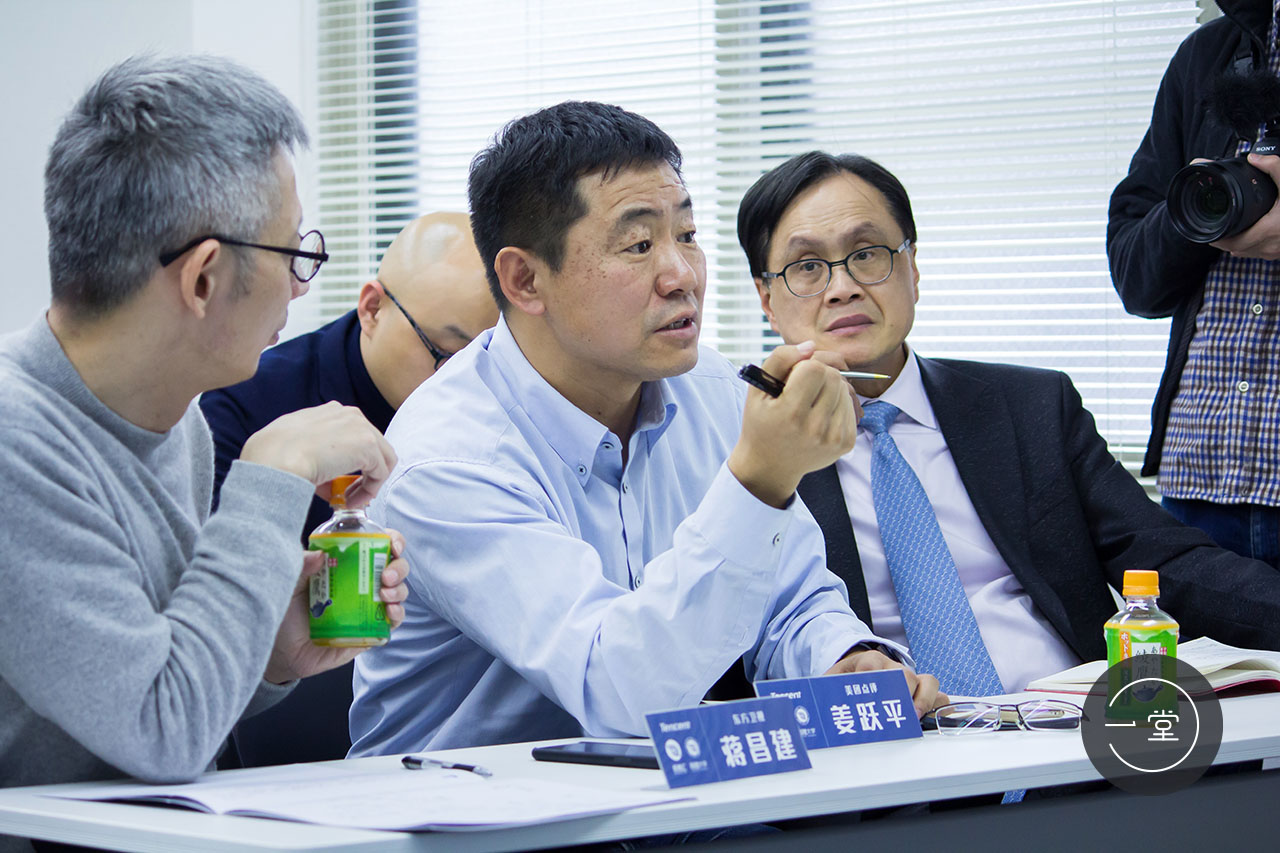
7-Eleven: The World's Largest Convenience Store Chain
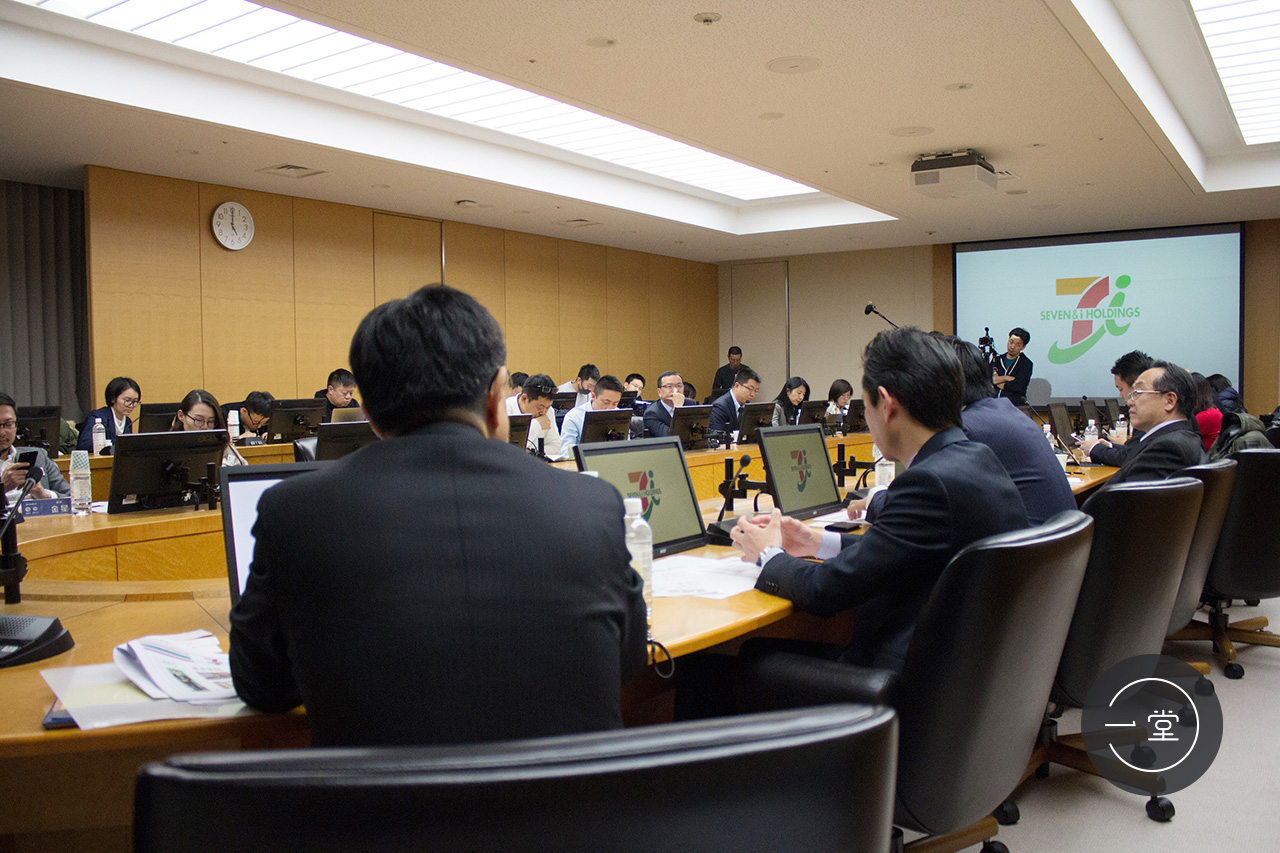
Speaker: Junro Ito (伊藤順朗), Managing Director, 7-Eleven
7-Eleven is the world's largest convenience store chain and one of the benchmark companies of Japanese retail, with more than 60,000 stores worldwide and sales of over US$100 billion.
Managing Director Junro Ito walked the group through 7-Eleven's four core management models: the franchise partnership model, the area field counsellor system, 7-Eleven's in-store vending units and item-by-item management. Because Japan is geographically compact, 7-Eleven Japan leans towards ready-to-eat food; in fresh produce it carries more fruit than fish, and logistics are largely managed locally. For a Chinese market in transition to smart retail, Ito said 7-Eleven would gather customer information on mobile and, in future, collect consumption data through its app to bring online and offline together.
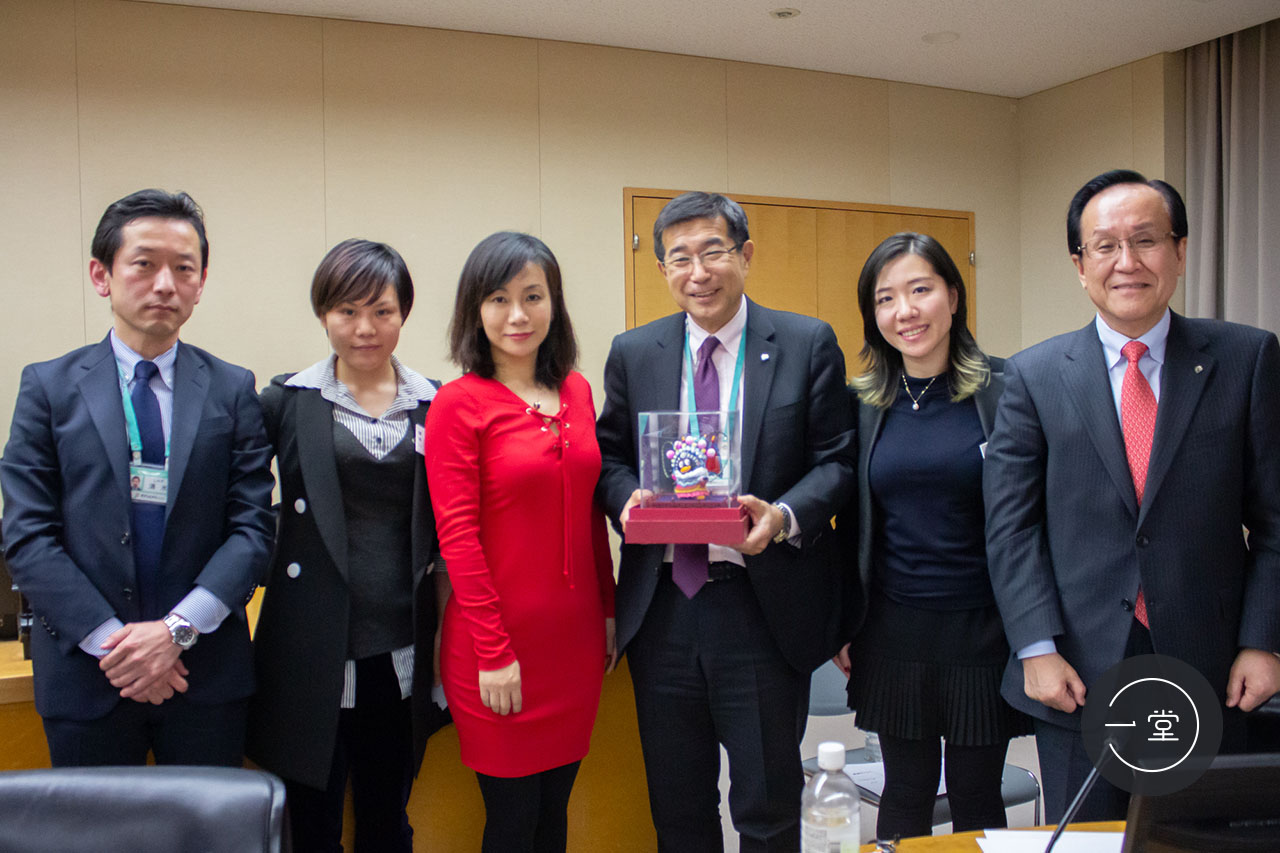
Tsutaya Books: The World's Most Beautiful Bookstore
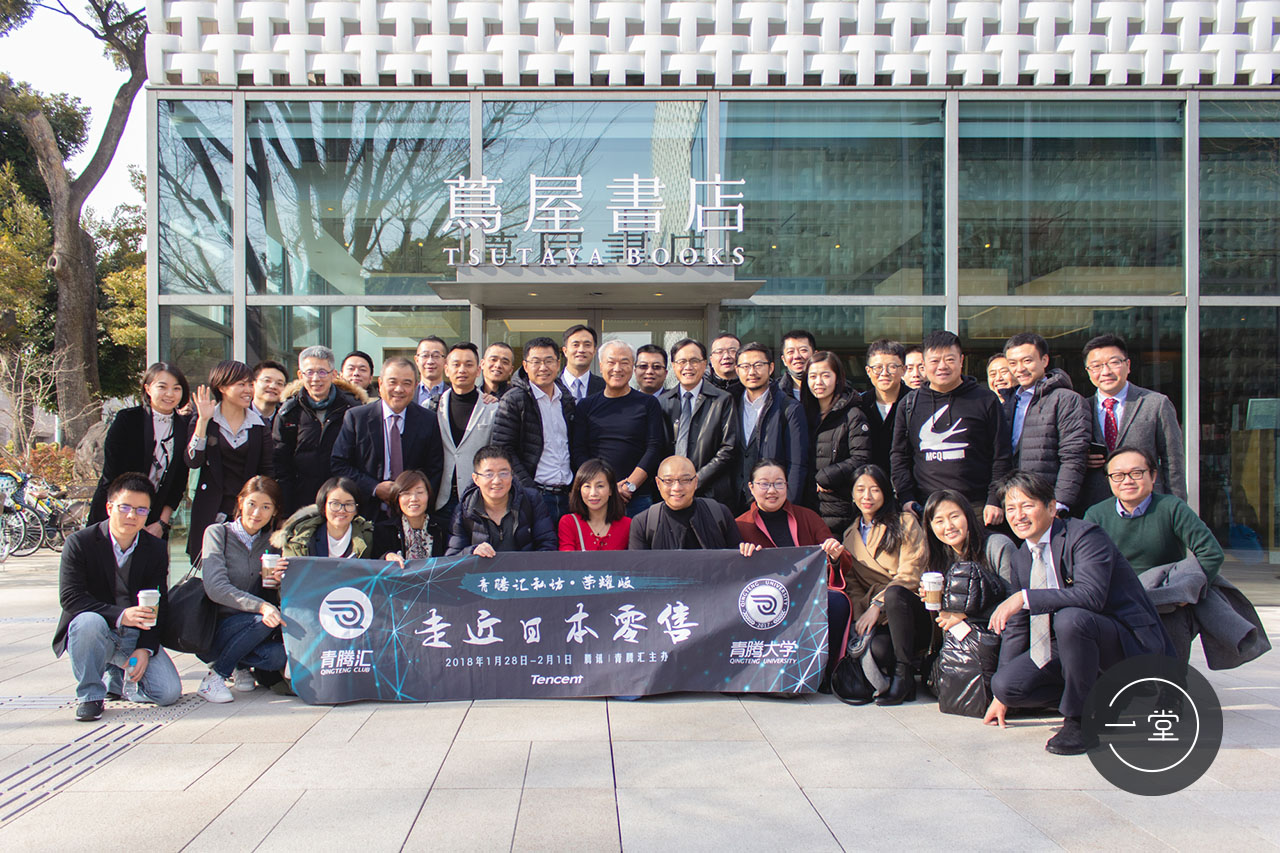
Speaker: Muneaki Masuda (増田宗昭), Founder, Tsutaya Books
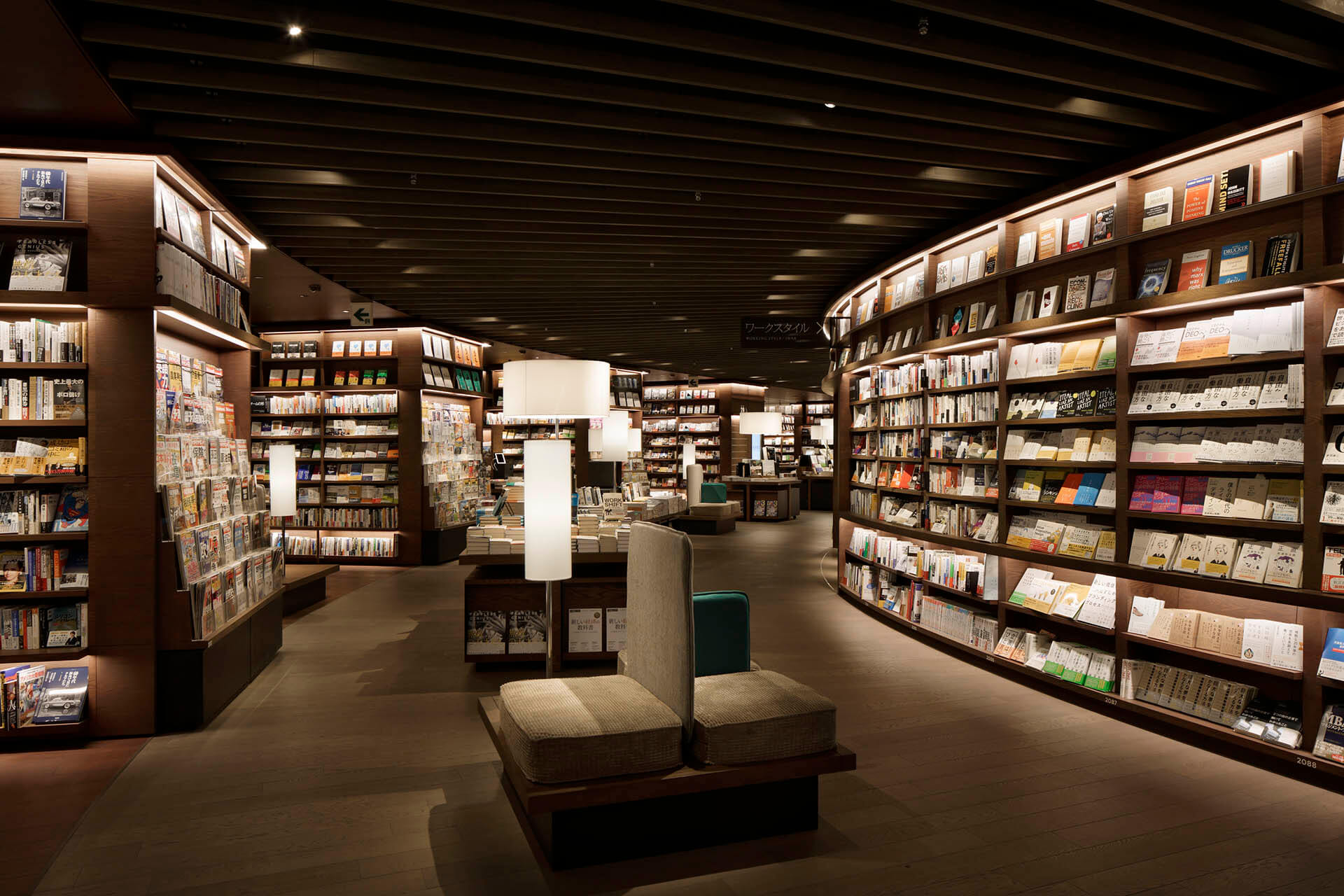
Tsutaya Books, the standout among Japan's physical bookstores, has been named one of the most beautiful bookstores in the world. Opened in 2011 with dedicated areas for books, film, music and coffee, it is one of Japan's most successful lifestyle crossover stores.
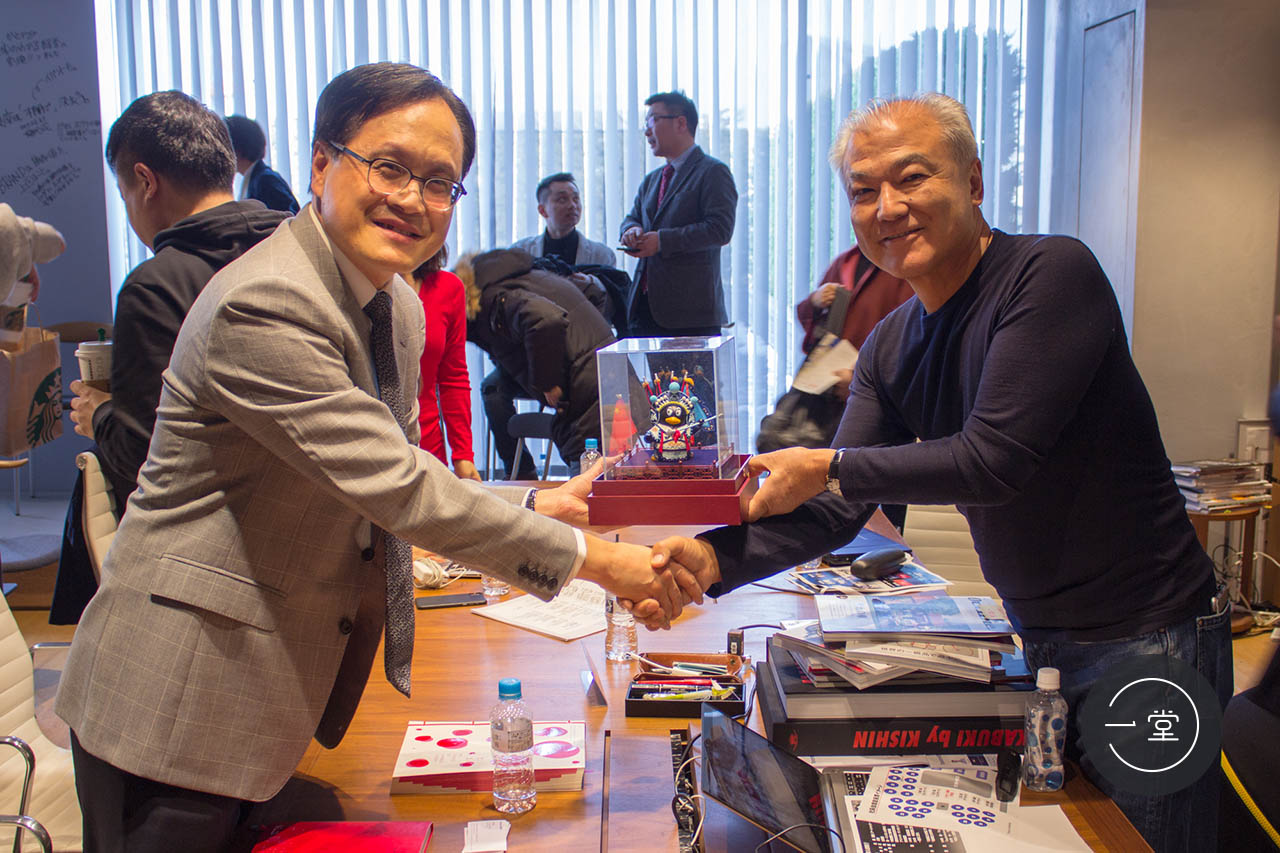
At the Daikanyama store, founder Muneaki Masuda opened with a joke: "I'm an oddball. I'm not a businessman."
From the days when "Tsutaya had one visitor all day, and it was a member of staff" to today's "more than 60 million cardholders and over 50 million monthly actives", Masuda explained that he founded Tsutaya "to sell books, but not as a mere bookstore". People go to Google or Amazon to find things; they come to Tsutaya to discover things. In an age when consumers care less about possessions, content and experience are the heart of consumption.
FamilyMart: Playing Offence
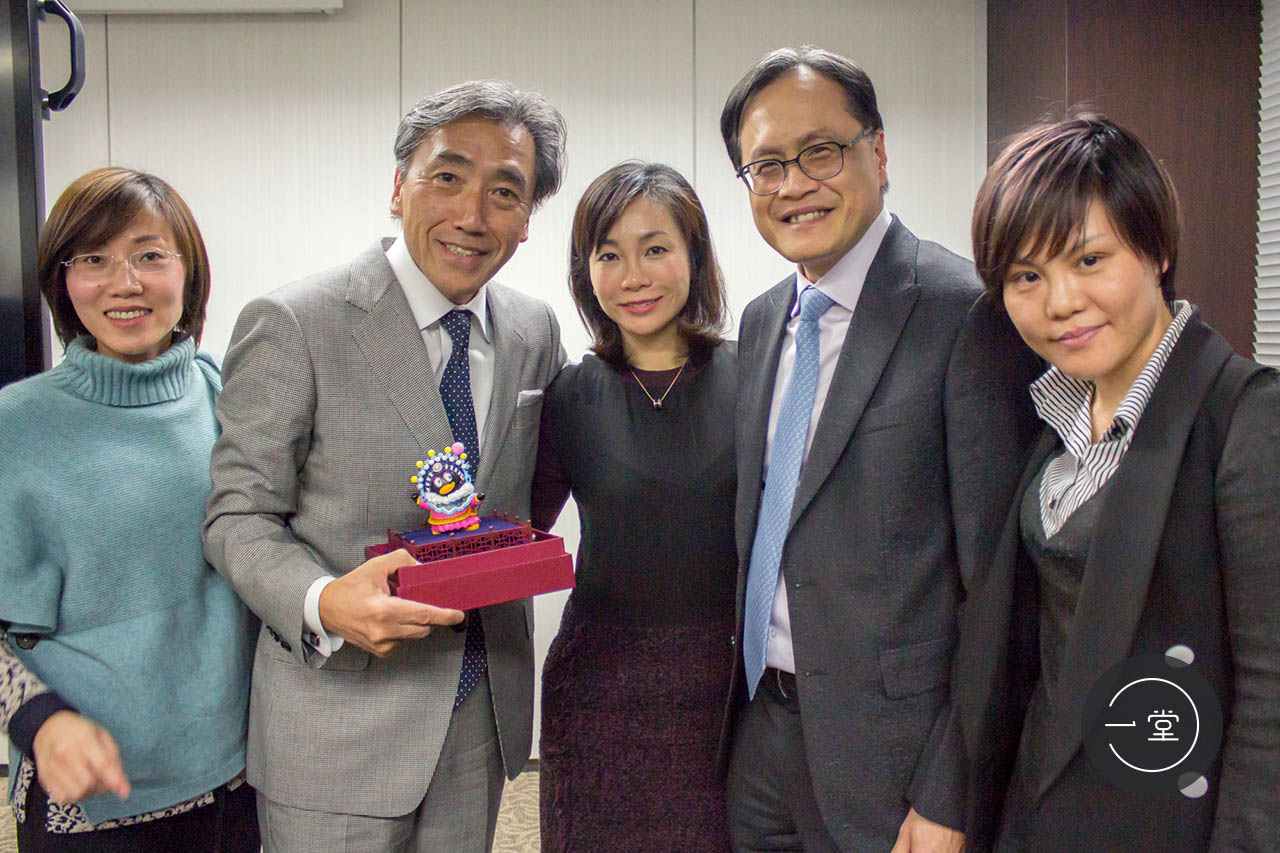
Speaker: Takashi Sawada (澤田貴司), CEO, FamilyMart
In 2016 FamilyMart merged with Circle K Sunkus to form a new group with merchandise sales of US$30 billion (3 trillion yen). It runs 24,000 stores in Japan and overseas; its 18,000 stores in Japan rank second worldwide.
FamilyMart serves 18 million customers a day and employs 180,000 people. Its core focus is "nakashoku", prepared food taken home to eat, and it keeps strengthening its services: the fastest-growing lines are ticketing and game top-up cards.
CEO Takashi Sawada told the group that, to keep a close eye on the competition's products, he eats a 7-Eleven bento every single day.
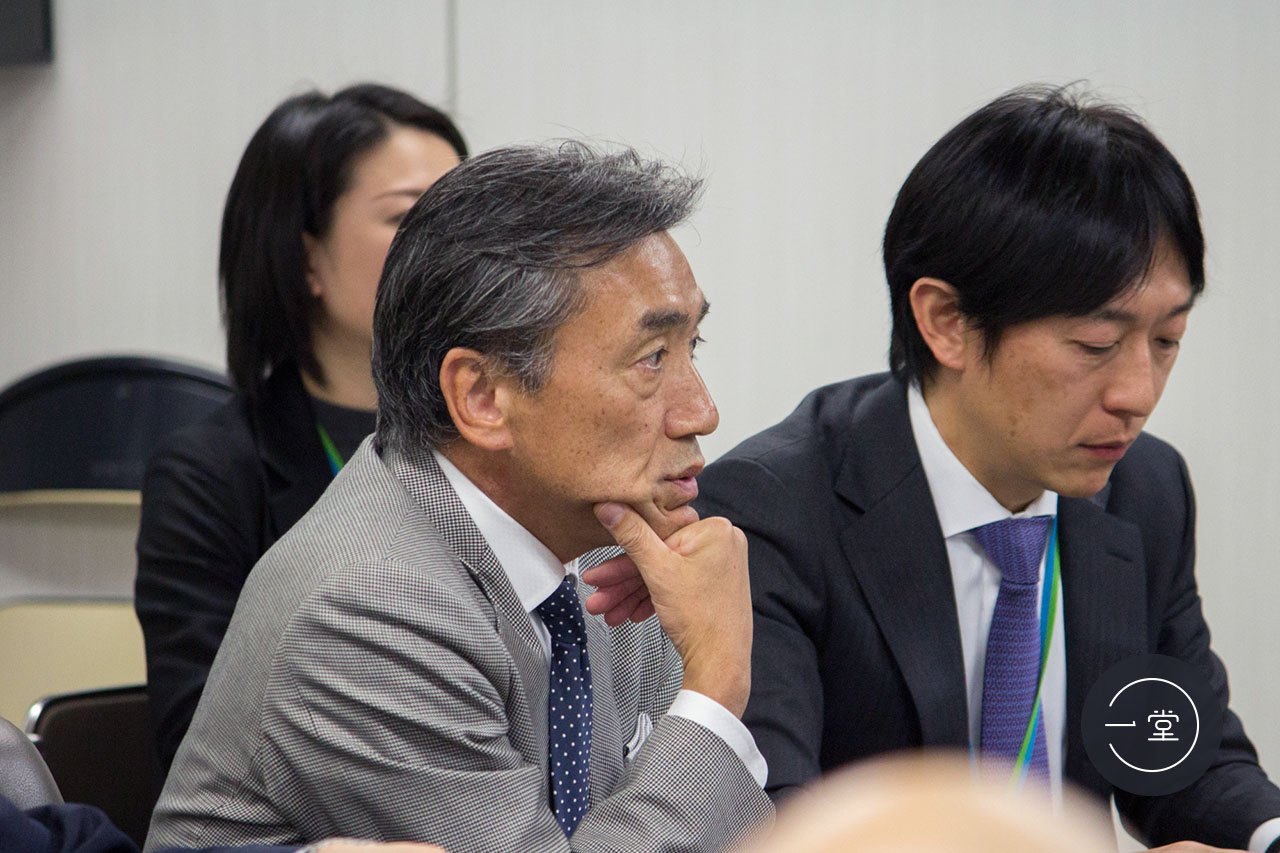
Lawson: Target-Market Strategy and Content Marketing
Speaker: Kazuya Nobe (野辺一也), Executive Officer, Lawson
Lawson has gone furthest in fusing technology with retail. It collects checkout data every day and runs big-data trend analysis, combining order volumes with delivery data to optimise ordering, and uses AI to predict a prospective store's daily takings before deciding whether to open it.
Beyond technology, Lawson puts particular weight on content marketing, regularly partnering on ticketing with concerts, art galleries and exhibitions: it is the exclusive seller of Ghibli Museum tickets, for example, and has opened themed stores with Bilibili. Ticketing is not about profit; Lawson only takes a handling fee and it is a small share of revenue, but the partnerships win broad recognition from consumers.
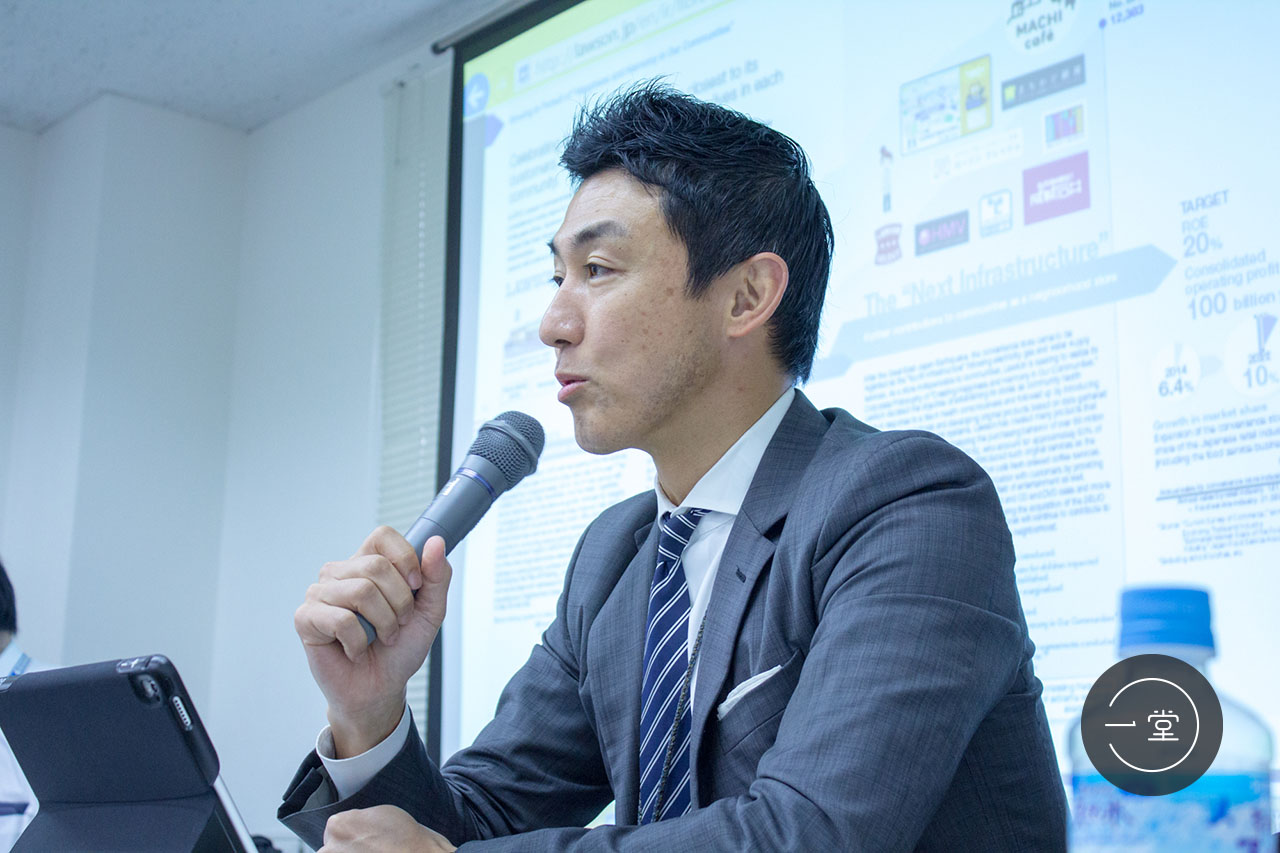

Matsumoto Kiyoshi: Japan's Largest Drugstore Chain
Speaker: Namio Matsumoto (松本南海雄), Chairman, Matsumoto Kiyoshi
Chairman Namio Matsumoto told the group that Matsumoto Kiyoshi's business logic comes down to focus. In its early days the company stood out by concentrating on health-oriented products, and he said its future course would stay firmly on health and beauty.
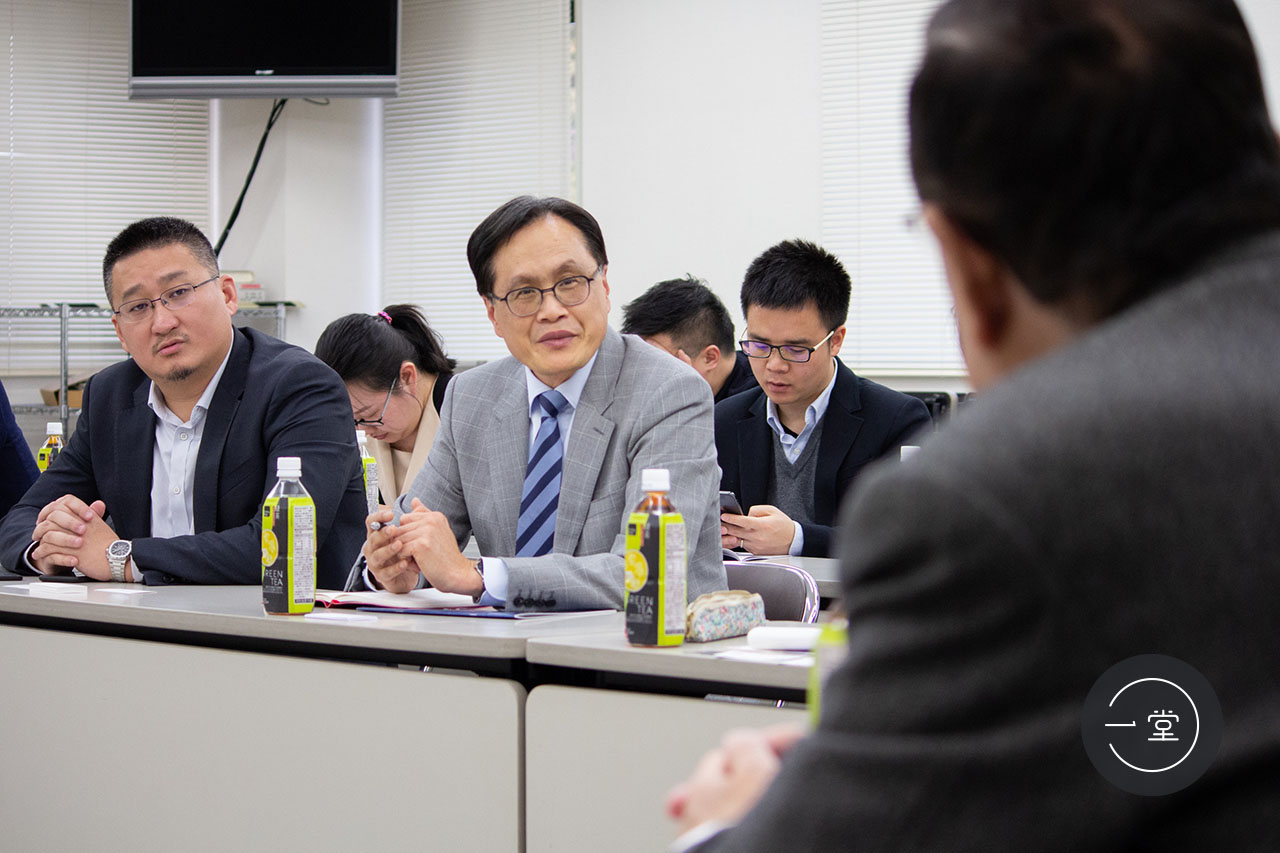
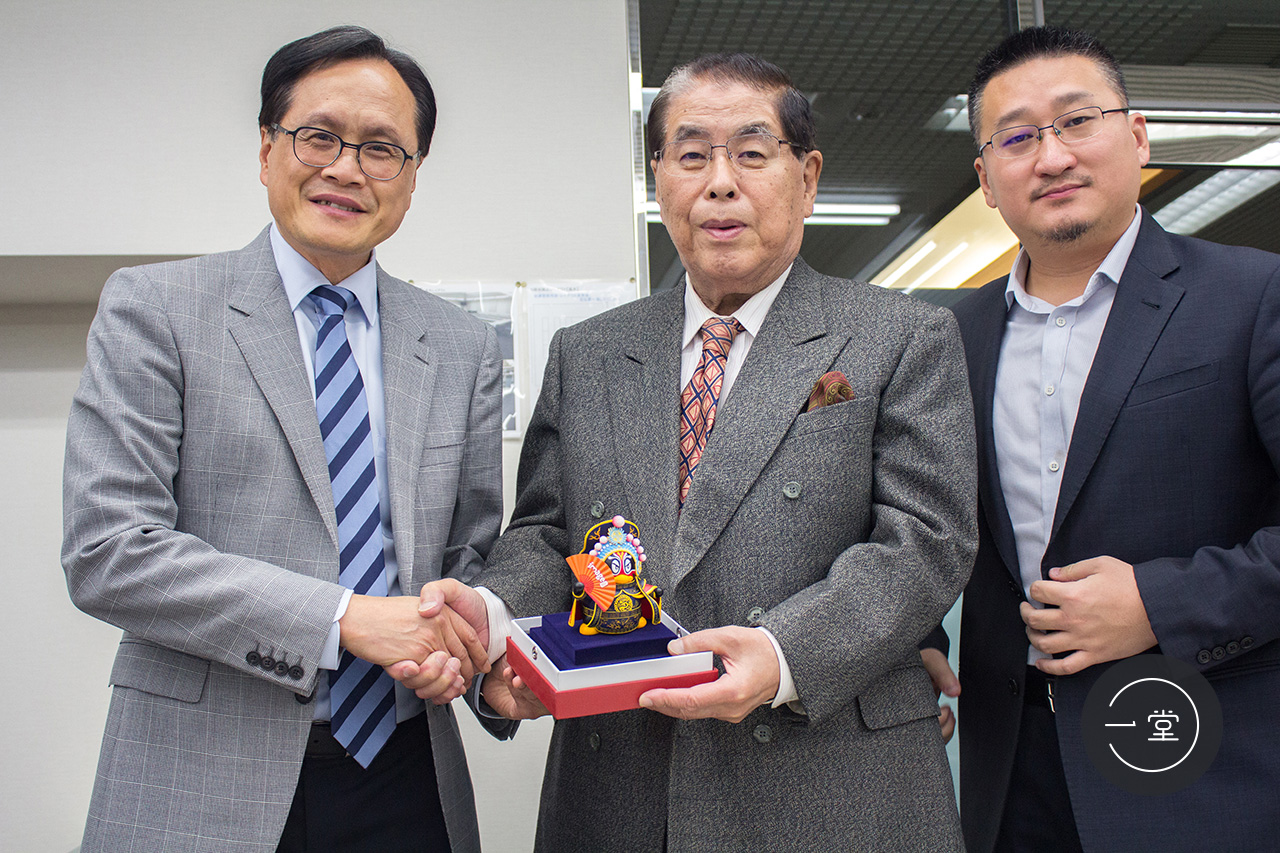
Nomura Research Institute: A Think Tank on Consumption Upgrading
Speaker: Ayumu Ueno (上野歩), Executive Officer, Nomura Research Institute
Founded in 1965, Nomura Research Institute (NRI) is Japan's oldest private think tank and the largest strategy and IT consultancy in Asia.
Executive Officer Ayumu Ueno shared NRI's thinking on where Japanese retail is heading: build manufacturing retailers, tailor offerings to the needs of specific consumer segments, and combine large-scale entertainment with retail. He also noted that China will one day face the same economic conditions and challenges as Europe, the US and Japan, with retail reaching saturation. Only by constantly asking "how do we create new consumer demand" can a company keep growing.
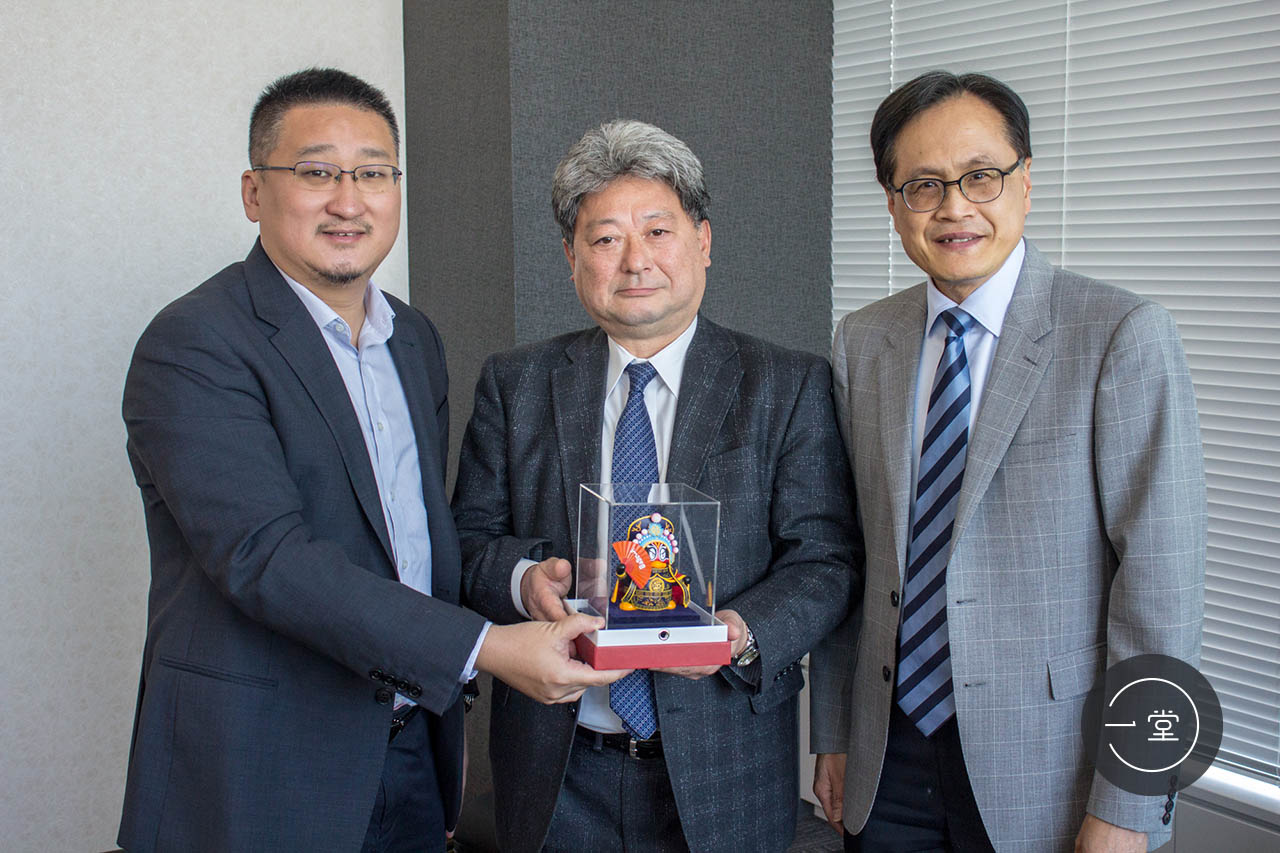
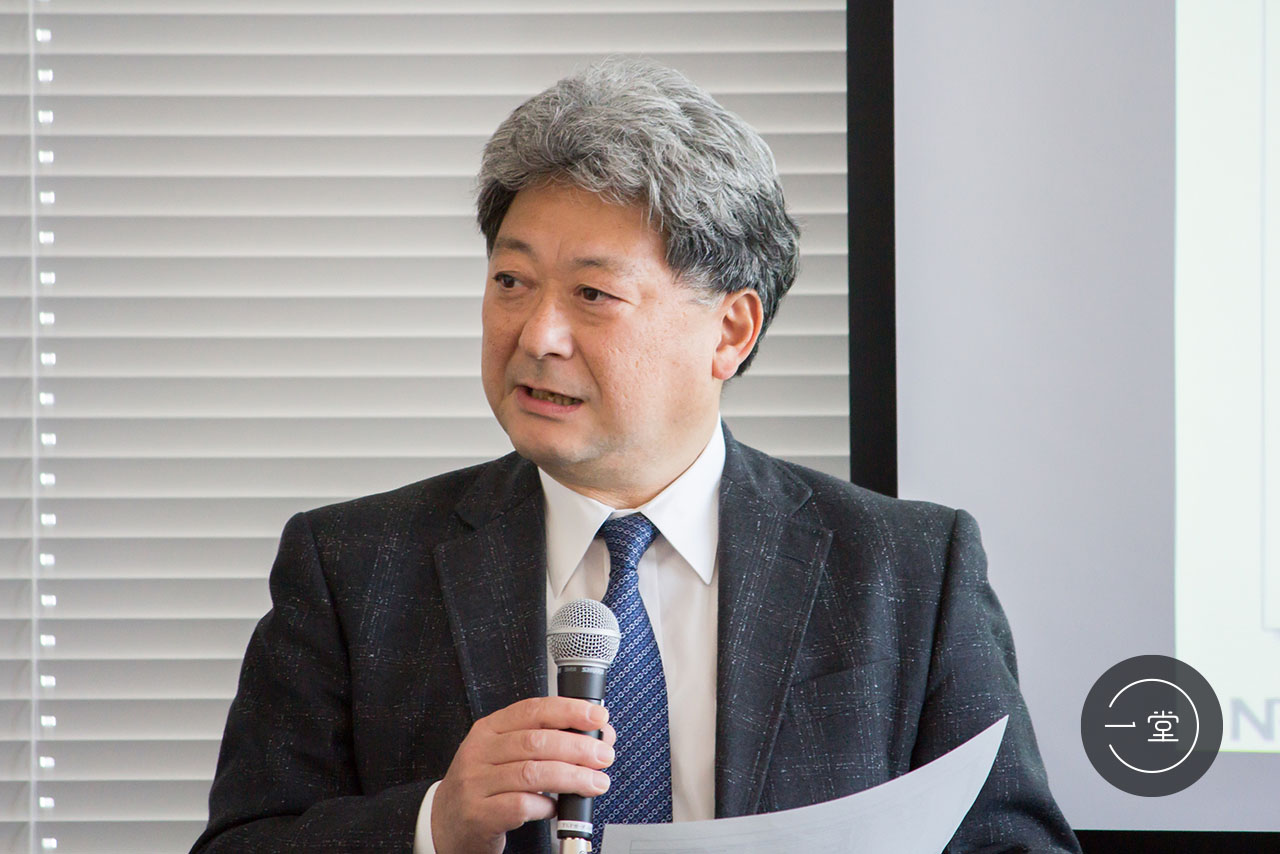
Yamato Group: Japan's Logistics Empire
Speakers: Yamato Transport (Kuroneko) management team
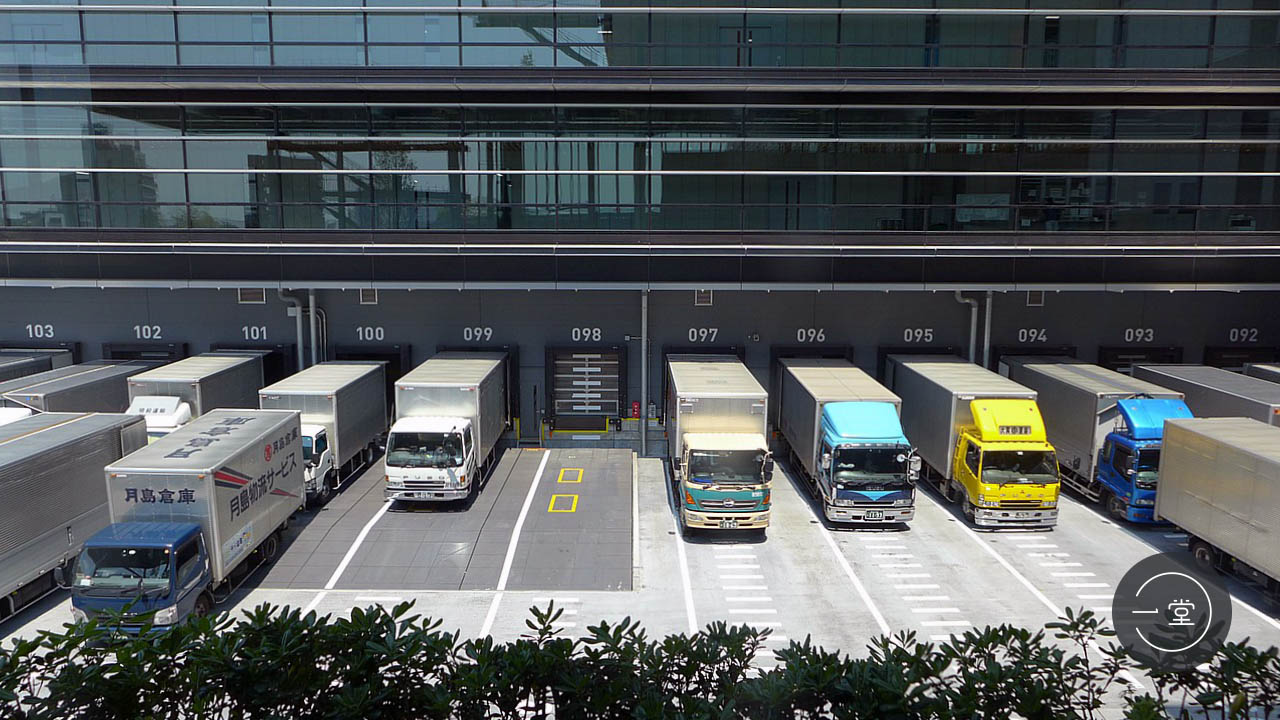
Founded in 1919, Yamato Group (Kuroneko Yamato) is Japan's largest logistics company, with 34 subsidiaries. Its logo, a mother cat carrying a kitten in her mouth, stands for handling customers' parcels as carefully as one would a child.
The group toured Yamato's core TA-Q-BIN parcel delivery business and studied its three core technologies: RFID, which matches inbound goods to the database so that receiving and packing allocation each take just ten minutes; APF, which automatically replenishes goods by rail track once sorting is done; and FRAPS, the automatic sorting machine. Together with its integrated warehousing system, they give customers a complete logistics solution.
China-Japan Smart Retail Industry Exchange
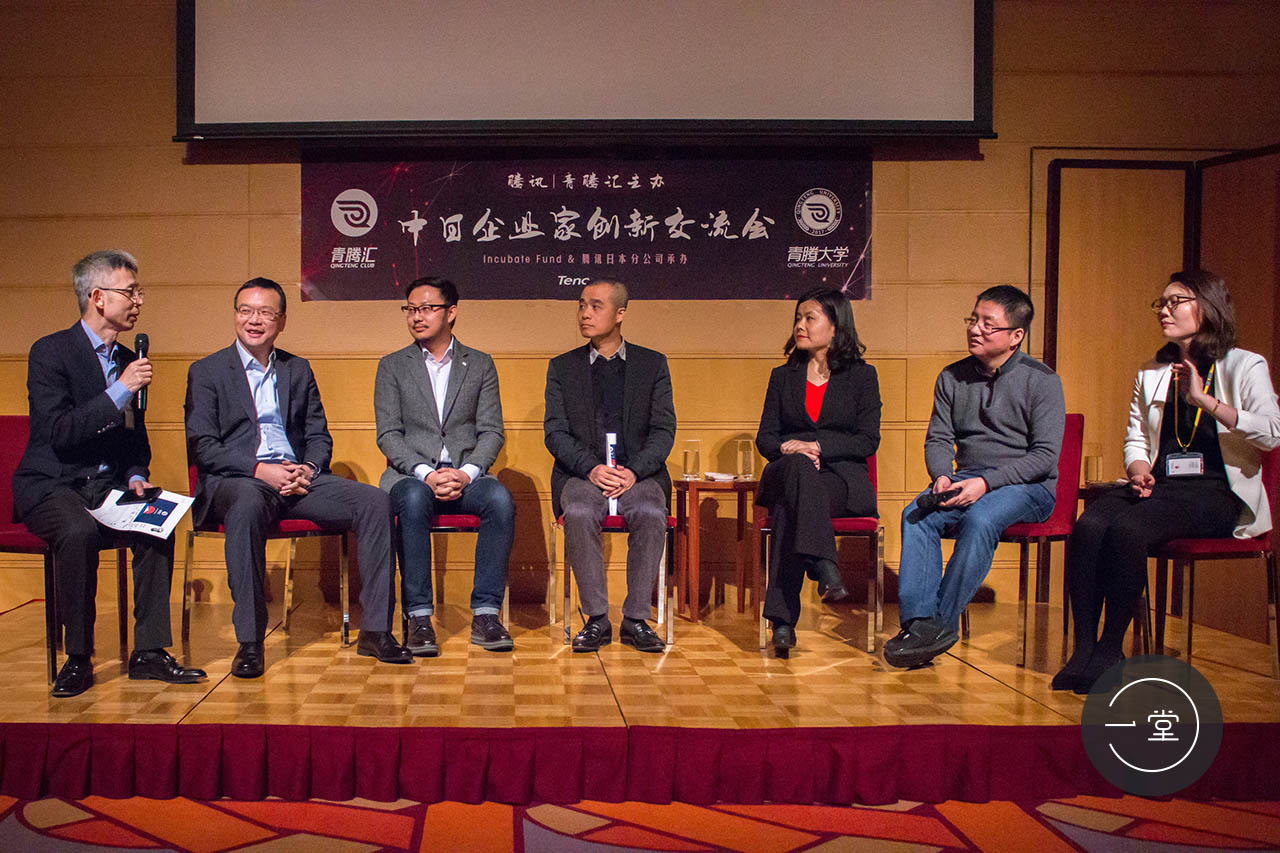
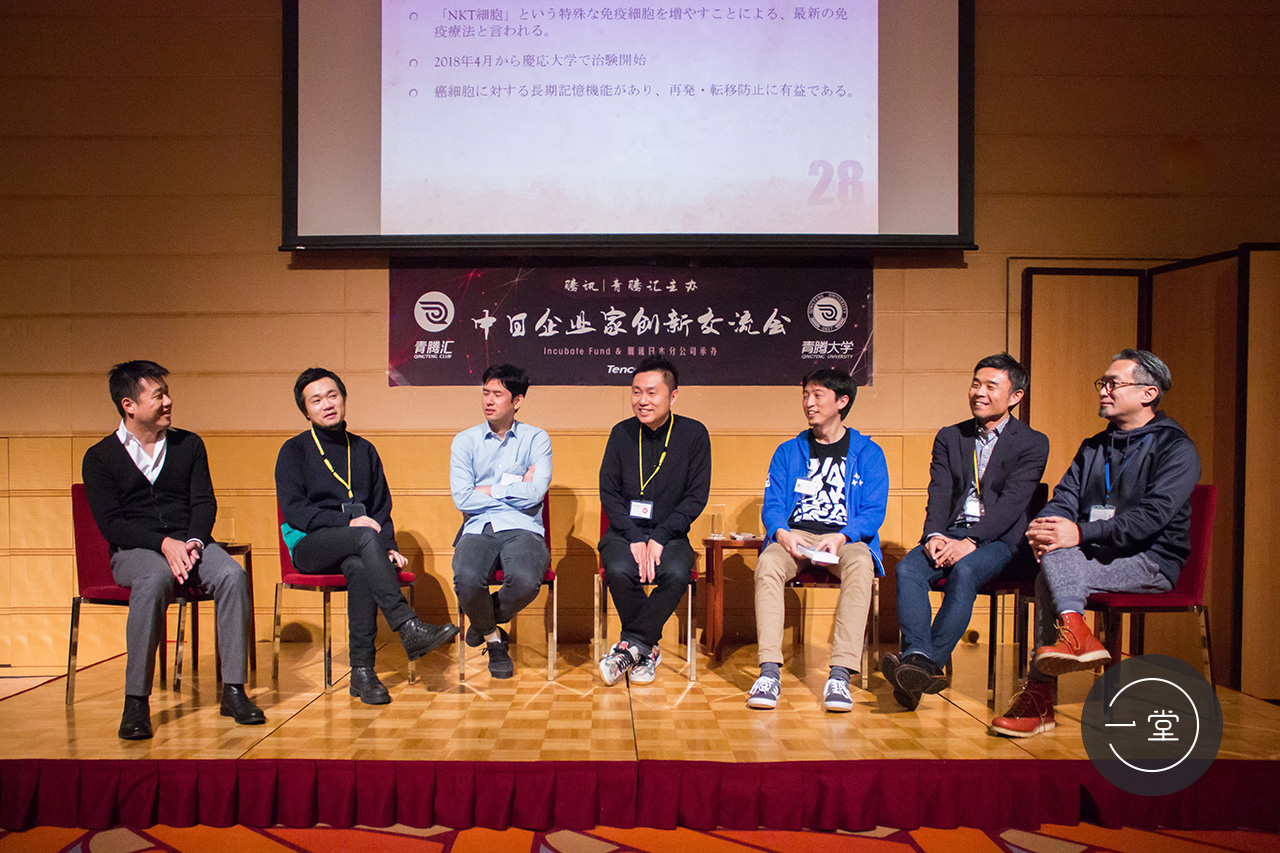
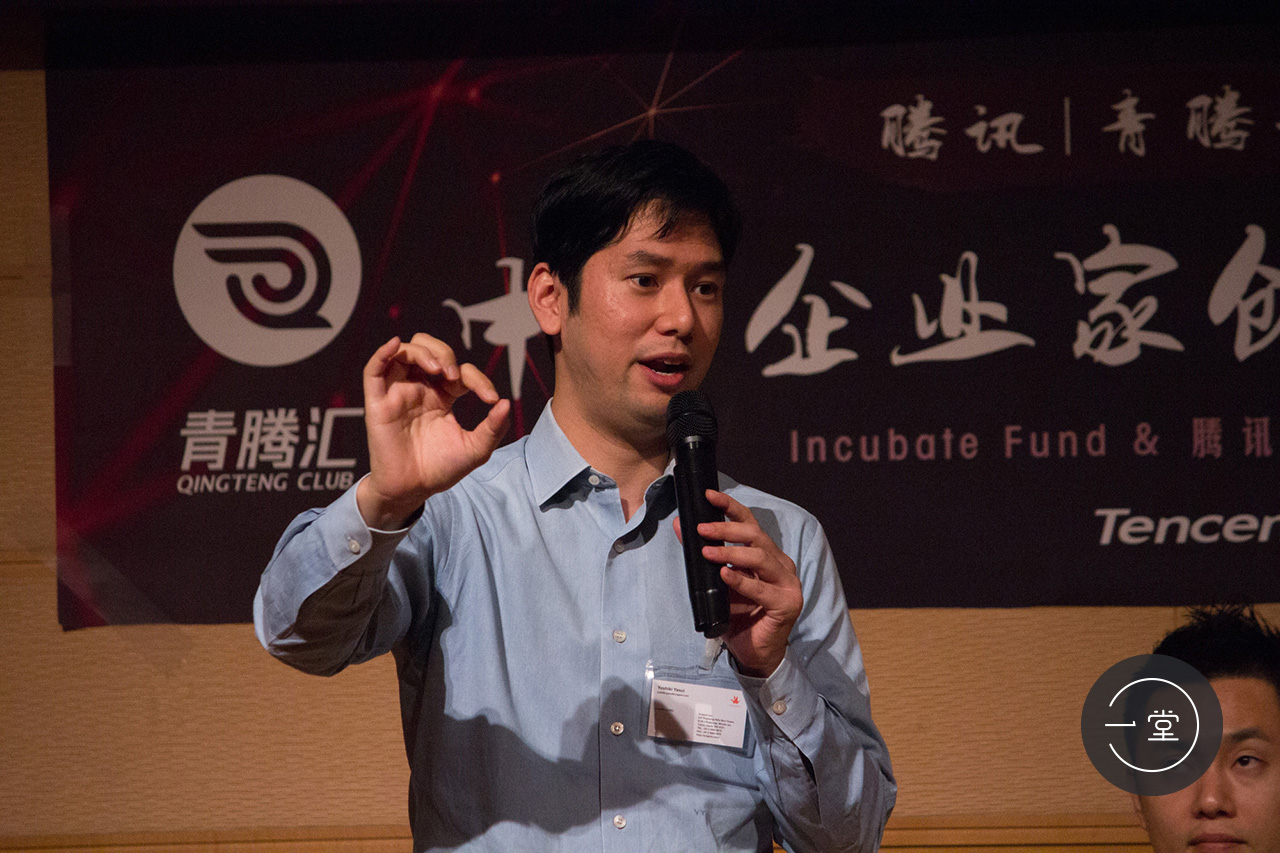
The tour also hosted a China-Japan smart retail unicorn exchange, where founders of standout Japanese startups such as Mercari, Cash and Origami Pay held an open discussion with Qingteng members on the state of, and the challenges facing, both countries' consumer markets.
In just five days, Qingteng members engaged in depth with world-class Japanese companies and their leaders and saw Japanese retail as it really is. Qingteng also ran its own closed-door sessions and group discussions, and the listening and exchange of ideas forged lasting friendships.
Qingteng Global Tour, Stop 2
In May, Yitang will deliver the next programme for Tencent's Qingteng: "Exploring Japan's New Culture". Nearly 40 founders of China's top companies, including Meitu, Zhihu, Papitube, Mewe Media, Mimeng and Weiying, will meet the masters of Japan's creative industries. What sparks will fly? Stay tuned.
Read more: Qingteng Global Tour, Stop 2: Exploring Japan's New Culture